



How Is Salt Coffee Different from Milk Coffee? A Flavor Experience Comparison
Rising Coffee Prices How Does It Affect the Morning Cup of Coffee for Vietnamese People?

Coffee and Depression: The Surprising Link Science Is Gradually Uncovering
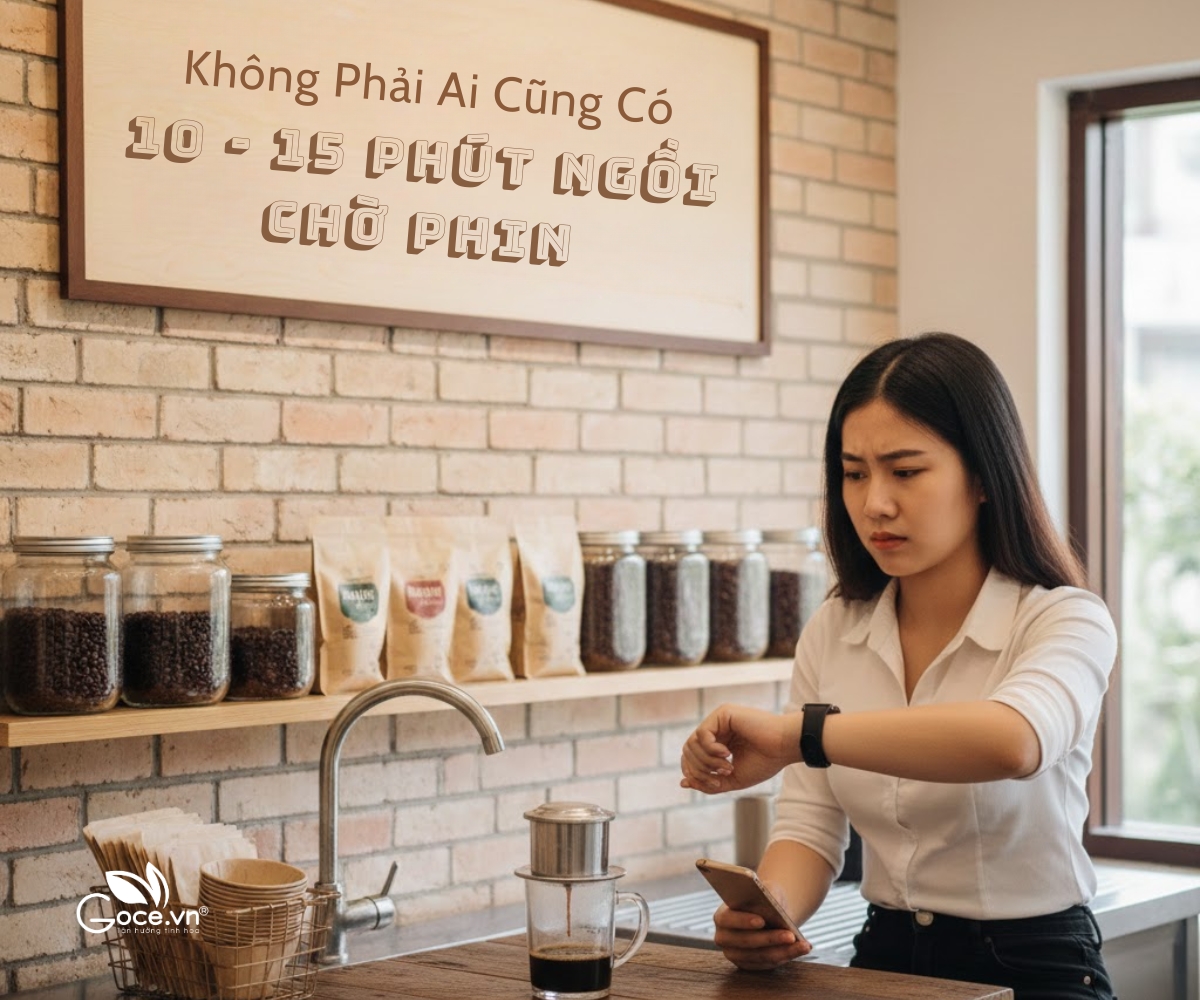
Paper Drip Coffee Not Everyone Has 10 - 15 Minutes to Sit and Wait for a Phin

The Golden Hour for Drinking Coffee to Stay Alert All Day

Milk Coffee: Understanding It Right for Better Taste and Health


How To Roast Your Own Coffee

WELCOME TO GOODPRICE VIET NAM CO., LTD.
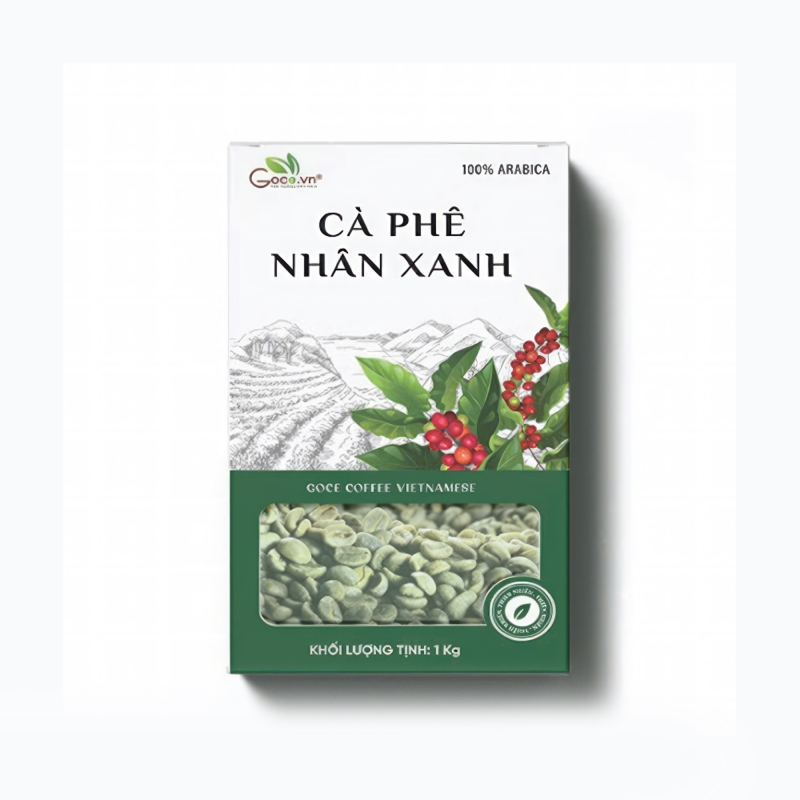
According to the ISO 22000:2018 Food Safety Management System applied to Goodprice Vietnam Co., Ltd. Green Coffee Beans is under GOCE Coffee Vietnam branch name and produced by our factory with the strictly food safety inspection process to ensure quality and safe heath for consumers.
How To Roast Your Own Coffee
You can roast coffee in your oven, a popcorn popper, a skillet or buy an actual coffee roasting appliances. Whatever method you use, you will be on your way to drinking much better coffee.
The basic process is simple: use heat to turn unroasted green coffee beans into brown roasted coffee. Roasting times vary, depending on the method and batch size, but you can expect the process to last about 10 minutes for smaller batches and about 16 minutes for larger batches.

There are many ways to roast coffee. The method you choose should be influenced by how much roasted coffee you need and how much money you want to spend. Whether you choose a D.I.Y. approach or a small appliance depends mostly on if you want more or less automation.
D.I.Y methods are affordable and accessible.
We think using an electric popcorn popper is the best of the DIY methods. You can also use a skillet, a stovetop popcorn popper or a cookie sheet in your oven – while these methods are popular among home roasters, we think it requires a bit of experience to achieve good results.
Home Coffee Roasting appliances offer coffee specific features.
Depending on the model, machines made for home coffee roasting may offer chaff collection, smoke reduction, timers, temperature control, airflow regulation and digital automation. There is no “best” roaster per se, but there is a best one for you depending on how much coffee you want to roast per batch and how large of a machine you want to sit on your room. Air roasters are generally smaller, roast evenly without scorching, and are better for smaller batches. While drum roasters often roast more, these machines are typically larger, require more attention and generate more smoke.

GOCE Coffee Vietnam always has a couple dozen coffees to choose from, so you shouldn’t have any matter for finding beans that make your taste buds happy.
We suggest purchasing a sample’s GOCE Coffee Vietnam with 1lb/bag to get started. We offer the sample 1lb bags of pre-selected coffees from the different growing regions Starting with a sample is an economical way to start roasting and become familiar with origin flavor characteristics. From there, your palate will have an idea of which ones are more delicious. This thing will help you narrow down which coffees you want for next buying.

Understanding the different stages of the roast will help you to control the flavor of your each style and so that you can determine how to roast into different flavor of each cup ..
Here’s an image that provides an overview of the process:

Coffee bean chart is showing the degree of roast of each stage in the roast process from green to brown to black.

164 degrees C – Coffee bean macro image yellowing stage of roasting
Yellowing: For the first few minutes the bean remains greenish, then turns lighter yellowish and emits a glassy smell. The beans start to steam as their internal water content dissipates. This is also call as the drying stage.

Just before First Crack – 200 degrees C – Coffee bean macro image browning stage of roasting
Soon you will hear the first crack, an audible cracking sound as the real roasting starts to occur: sugars begin to caramelize, bound-up water escapes, the structure of the bean breaks down and oils migrate from their little pockets outward. The steam becomes fragrant.

Ending of First Crack – 219 degrees C – Coffee bean macro image during roasting
After the first crack, the roast can be considered complete any time according to your taste. The cracking is an audible cue, and, along with sight and smell, tells you what stage the roast is at. This is what is called a City Roast.

Ending of First Crack (244 degrees C) Coffee bean macro image during roasting
“Caramel” continues, oils migrate and the bean expands in size as the roast becomes dark. As the roast progresses, this is a City + roast. Most of our roast recommendations stop at this point. When you are on the verge of second crack, that is full city roast.

Start of Second Crack (229 degrees C) – Coffee bean macro image during roasting
Now we continous go to point of second crack, it can be heard. This stage of roast character starts to eclipse the origin character of the beans at this point and is also known as a Vienna roast. Roasting all the way through second crack may result in small pieces of beans being blown away .

Ending of Second Crack (241 degrees C). Coffee bean macro image during roasting
As the roast becomes very dark, the smoke is more pungent because of sugars burn completely, and the bean structure breaks down more and more. As the end of second crack approaches, you will achieve as a French roast.
.
Come to GOCE Coffee Vietnam's Green Coffee Beans to experience and master of flavor of a coffee cup made by yourself.
Other News

What Is Vietnamese Salt Coffee — and Why Is the Internet Obsessed?

Gentlemen Coffee – The Taste of a Man Who Doesn’t Need to Prove Himself

If a Cup of Coffee Had a Personality, Ladies Coffee Would Be This Girl

Is It Good for Women to Drink Coffee Every Day?

Is It Good to Drink Instant Coffee Every Day? Everything You Need to Know
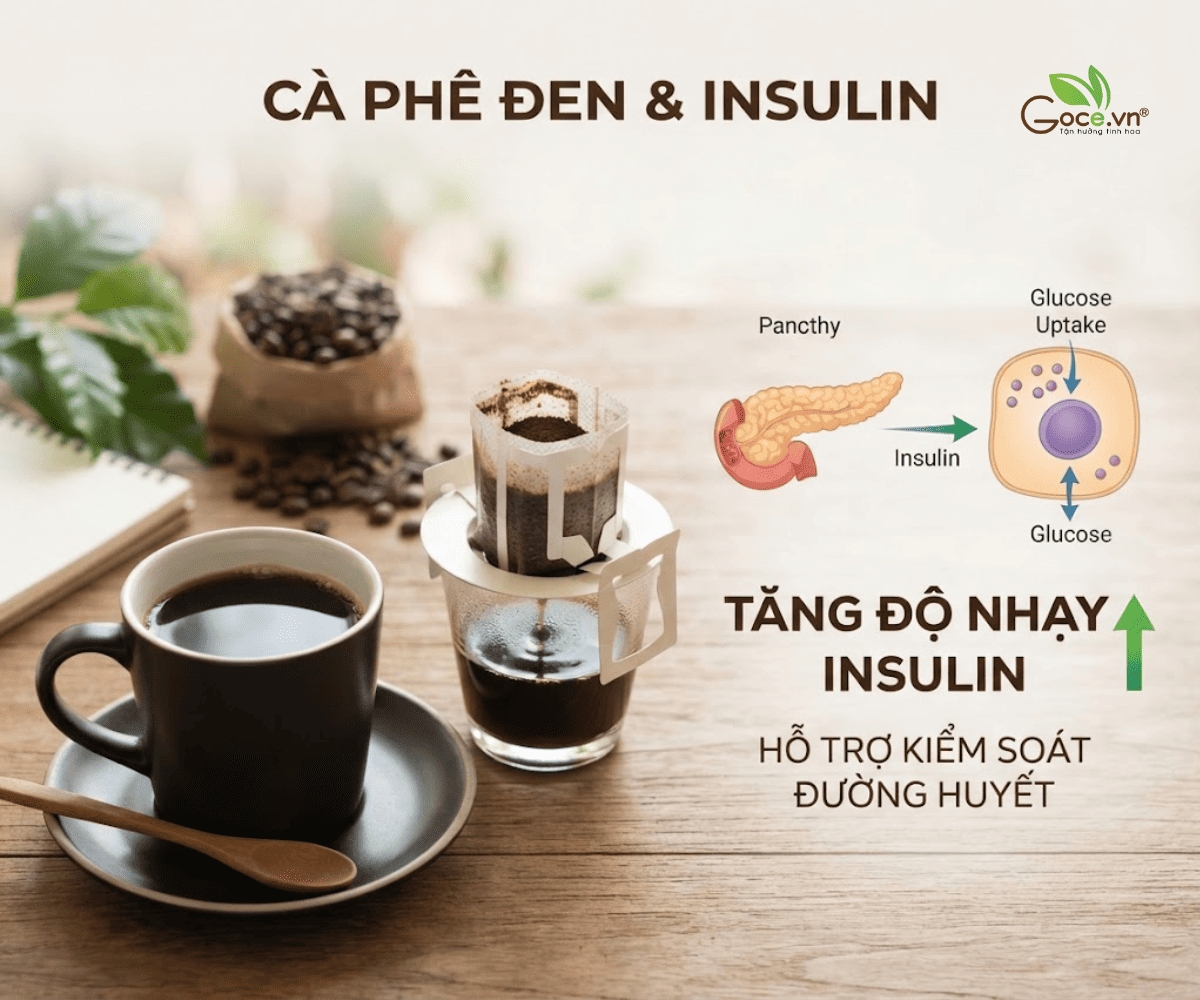
Black Coffee and Insulin: What You Should Know

Does Black Coffee Contain Calories? What People Trying to Lose Weight Should Know

Is Insomnia Caused by Coffee or These Everyday Habits?
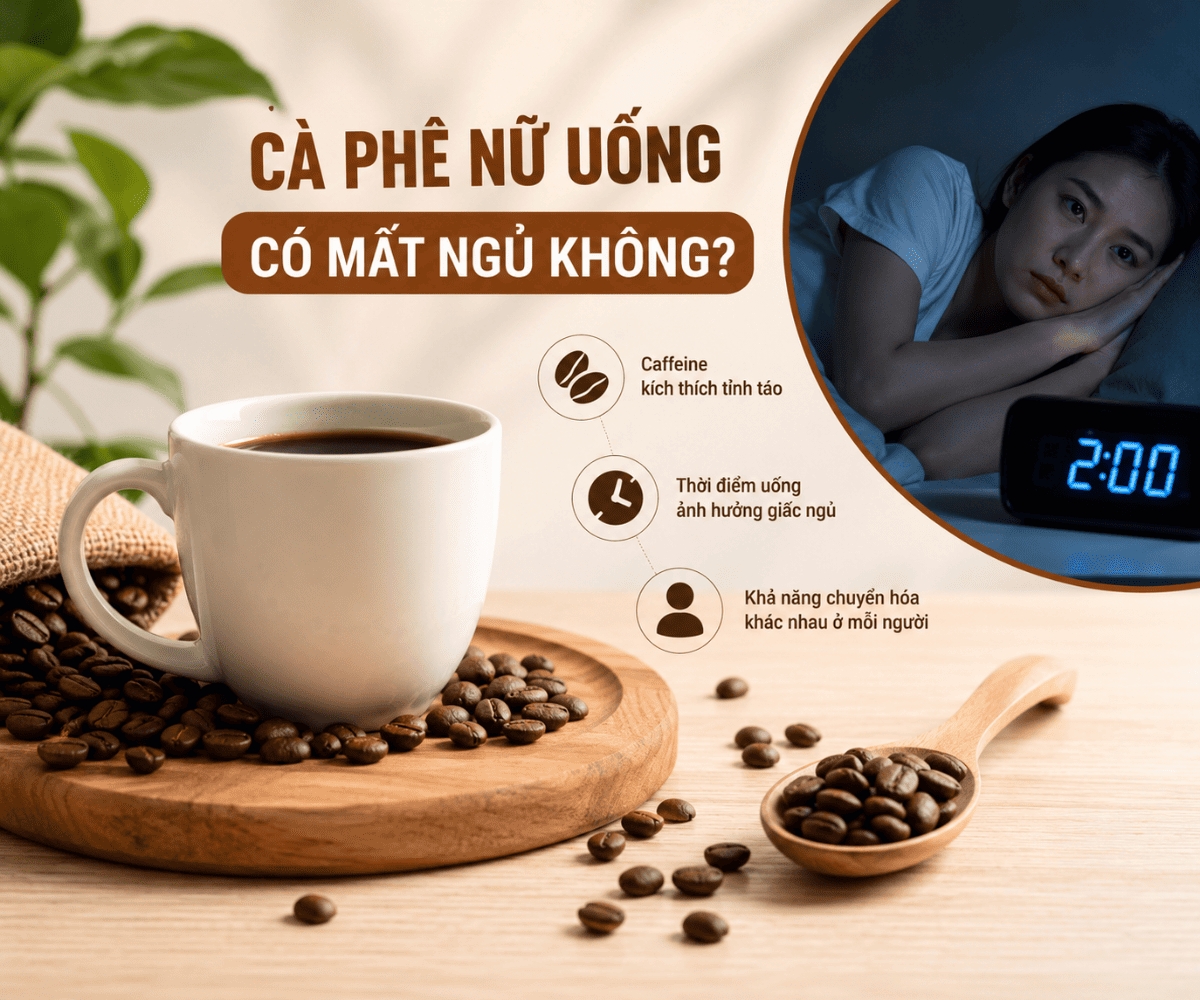
Does Coffee for Women Cause Insomnia? 5 Things You Should Know
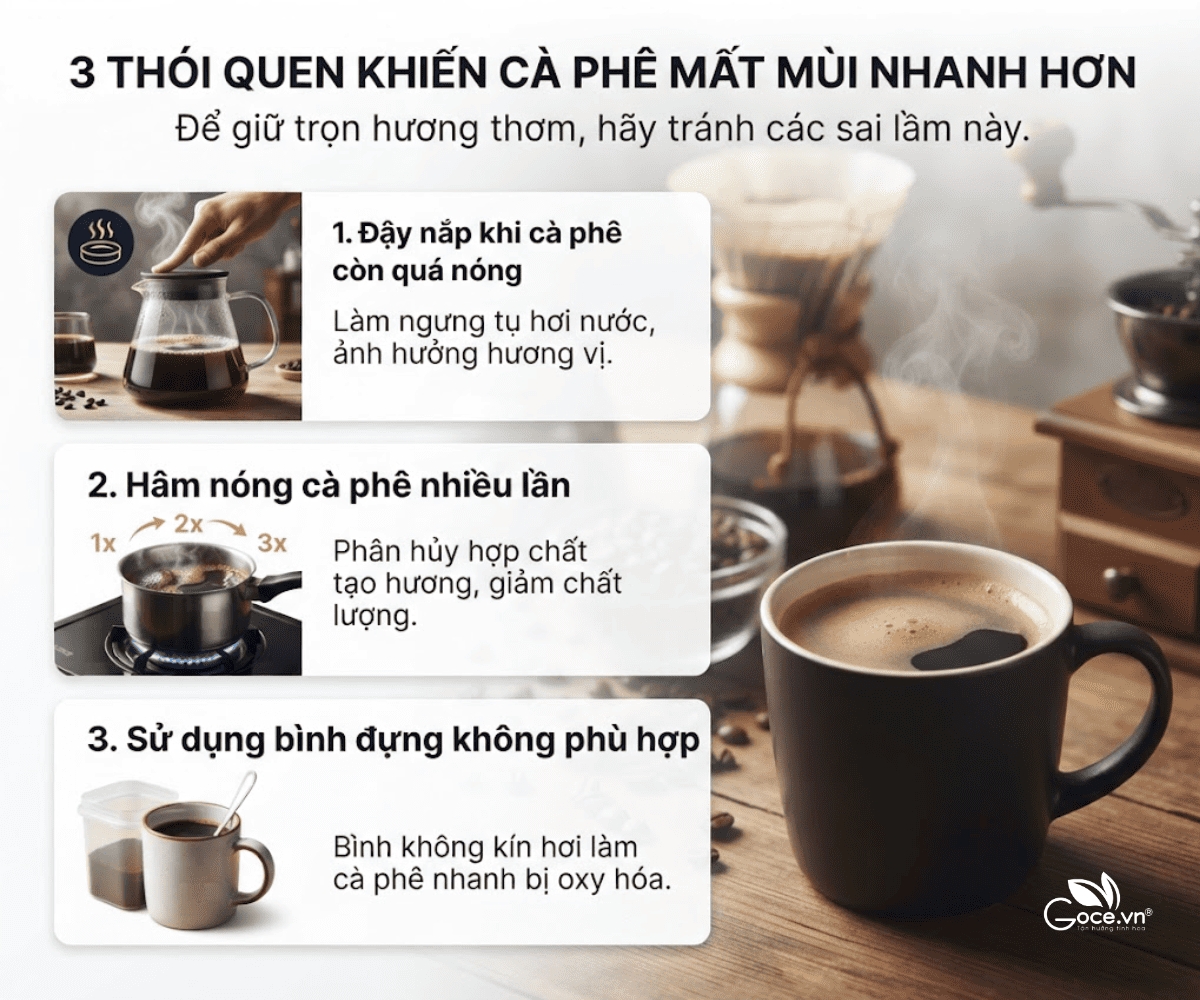
Why Does Brewed Coffee Lose Its Aroma So Quickly? Tips to Keep It Fresh Longer
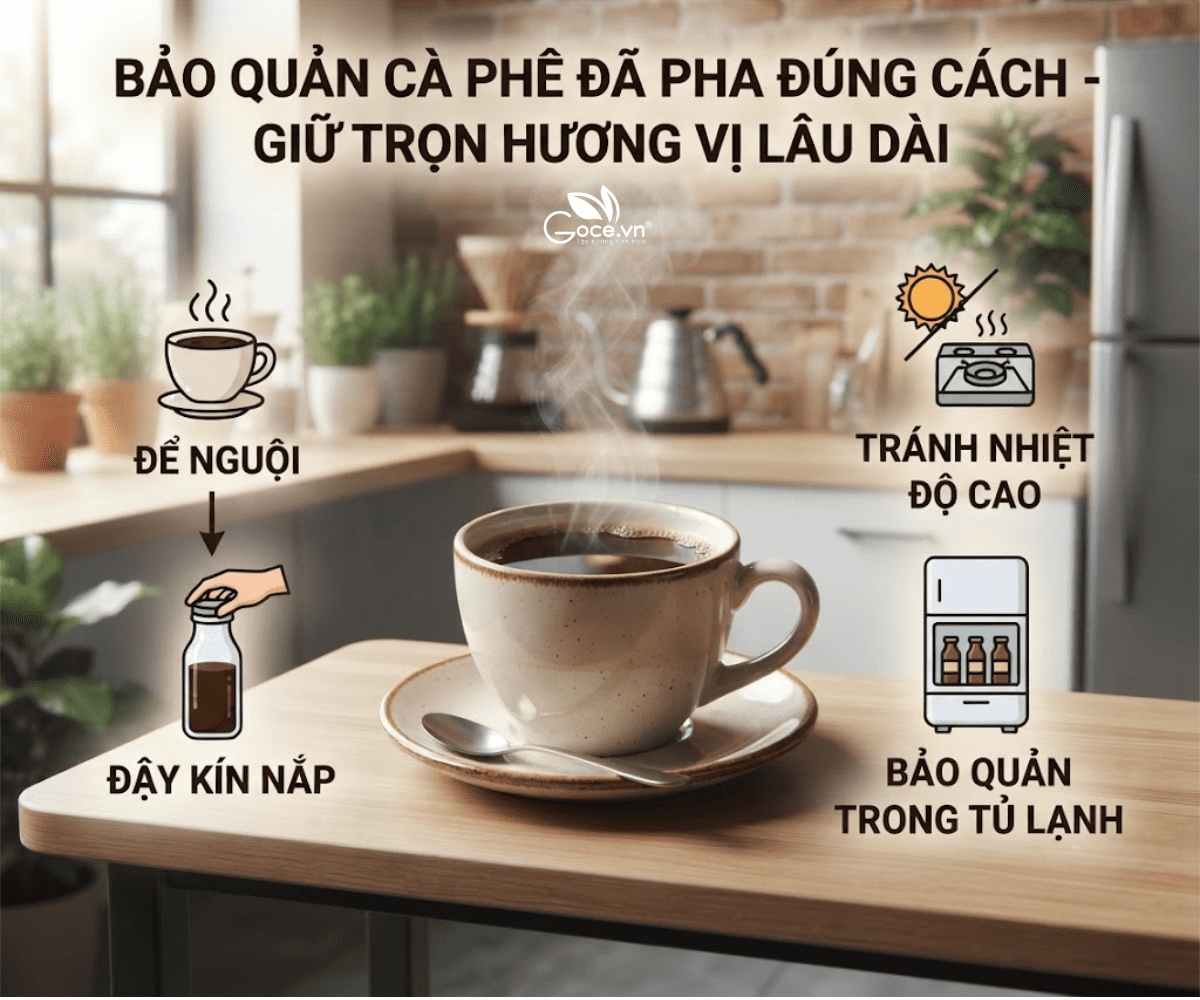
How to Store Brewed Coffee Properly to Preserve Its Flavor
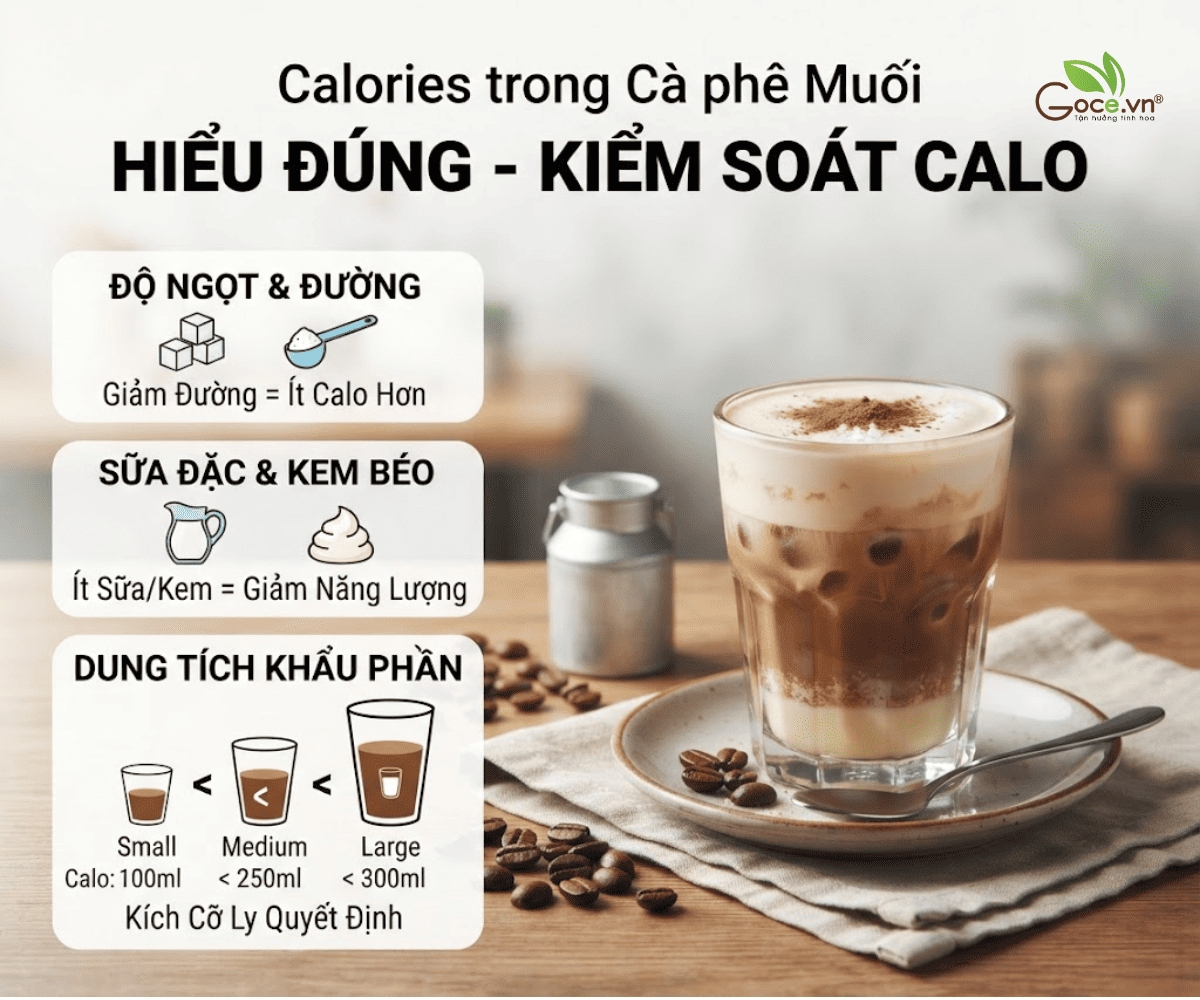
Salted Coffee and the Story of Calories in the New Drinking Trend
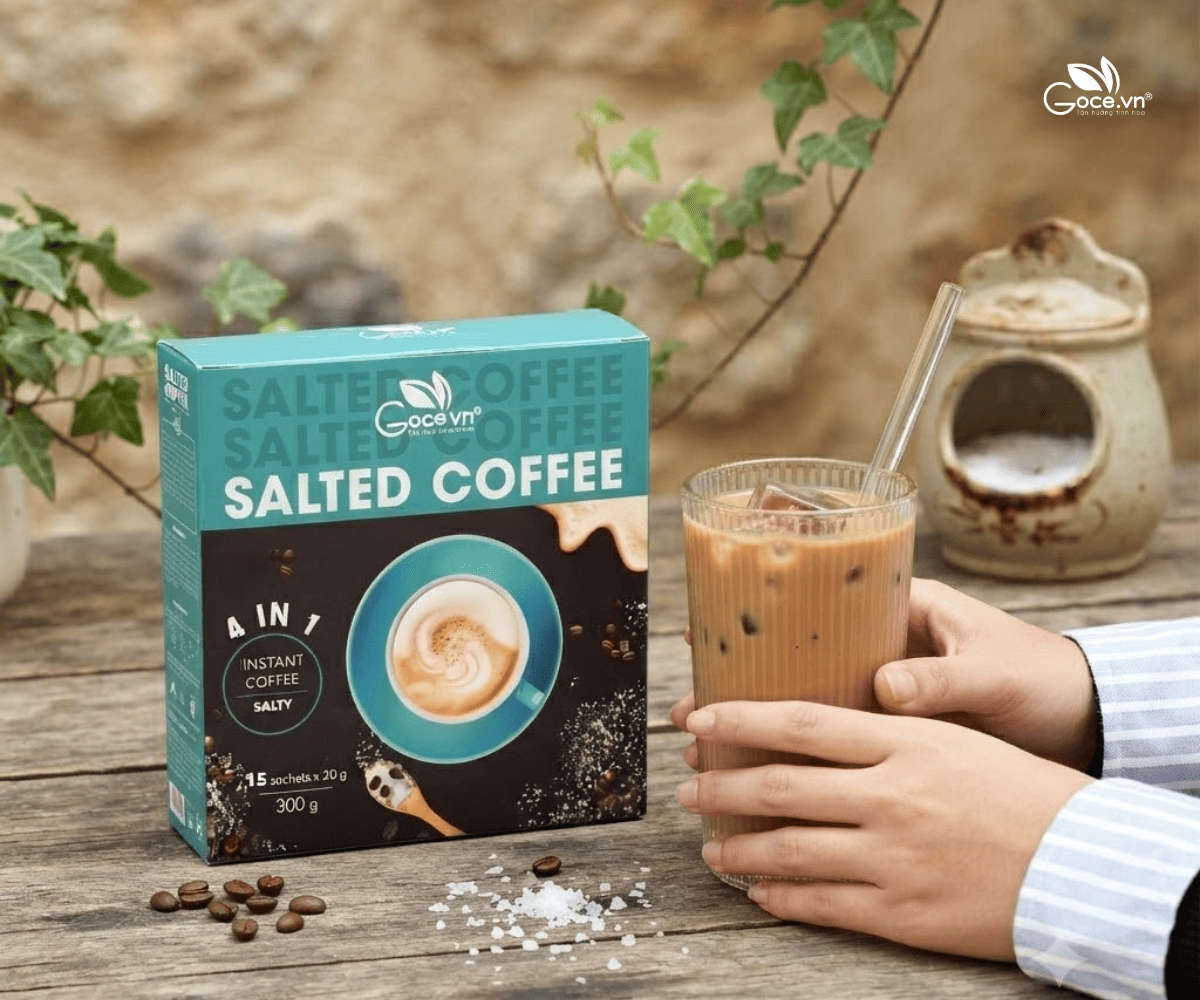
How Many Calories Are in Salt Coffee? Will It Make You Gain Weight?
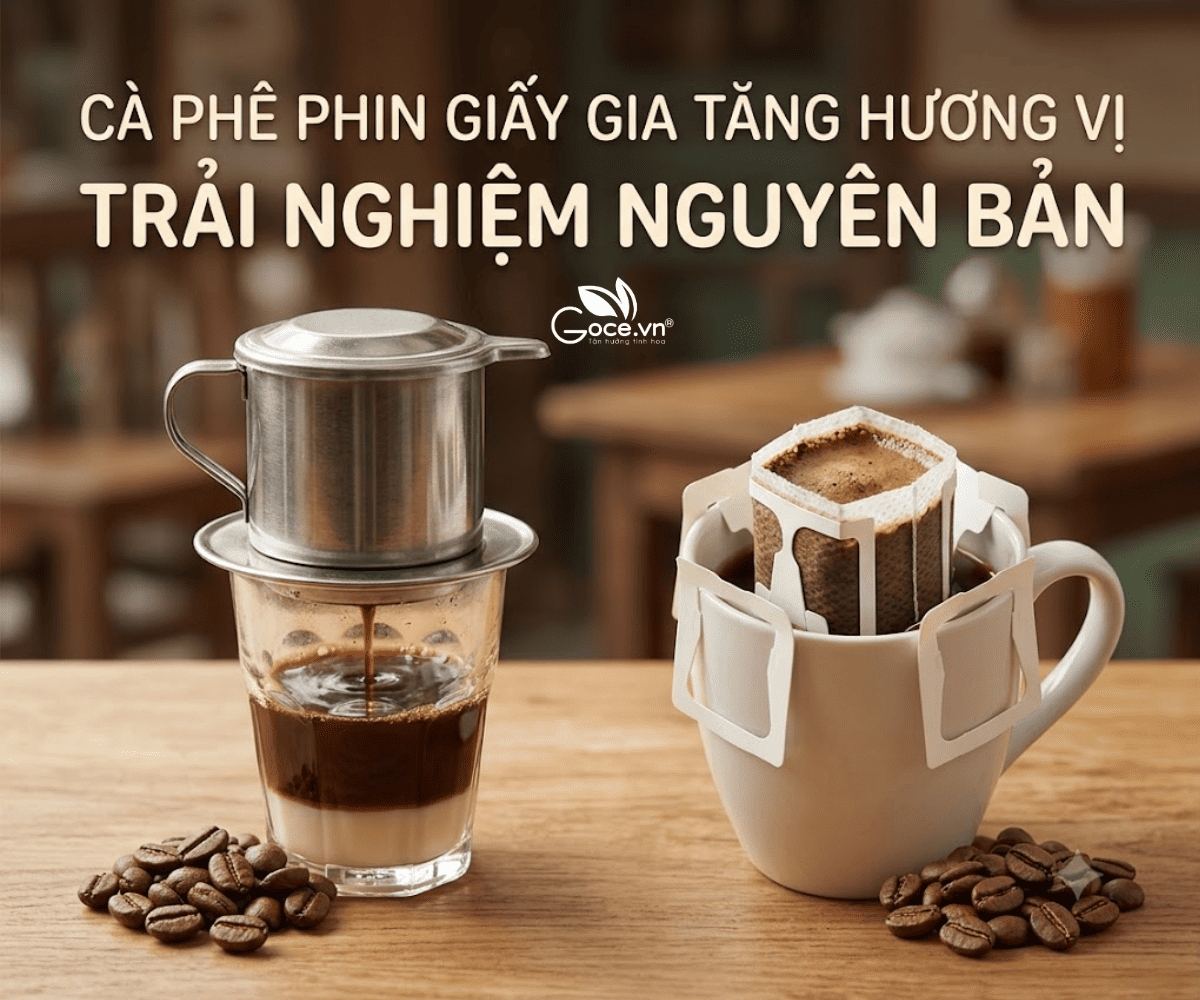
Review of Paper Filter Coffee Flavor, Convenience, and Real Experience
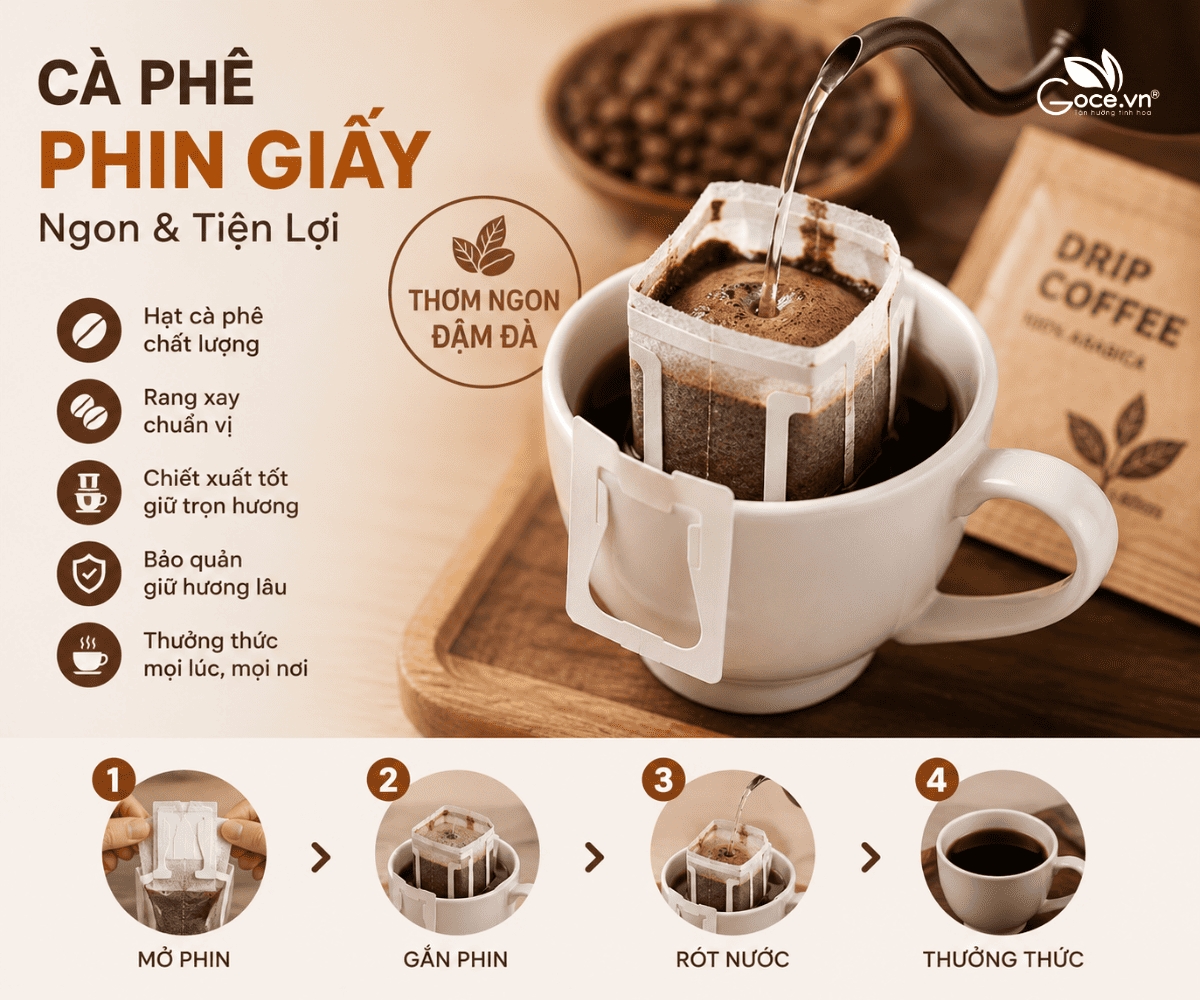
Is Paper Filter Coffee Good? Discover the Authentic Vietnamese Coffee Flavor

5 Ways to Reduce Coffee Side Effects and Enjoy It More Safely
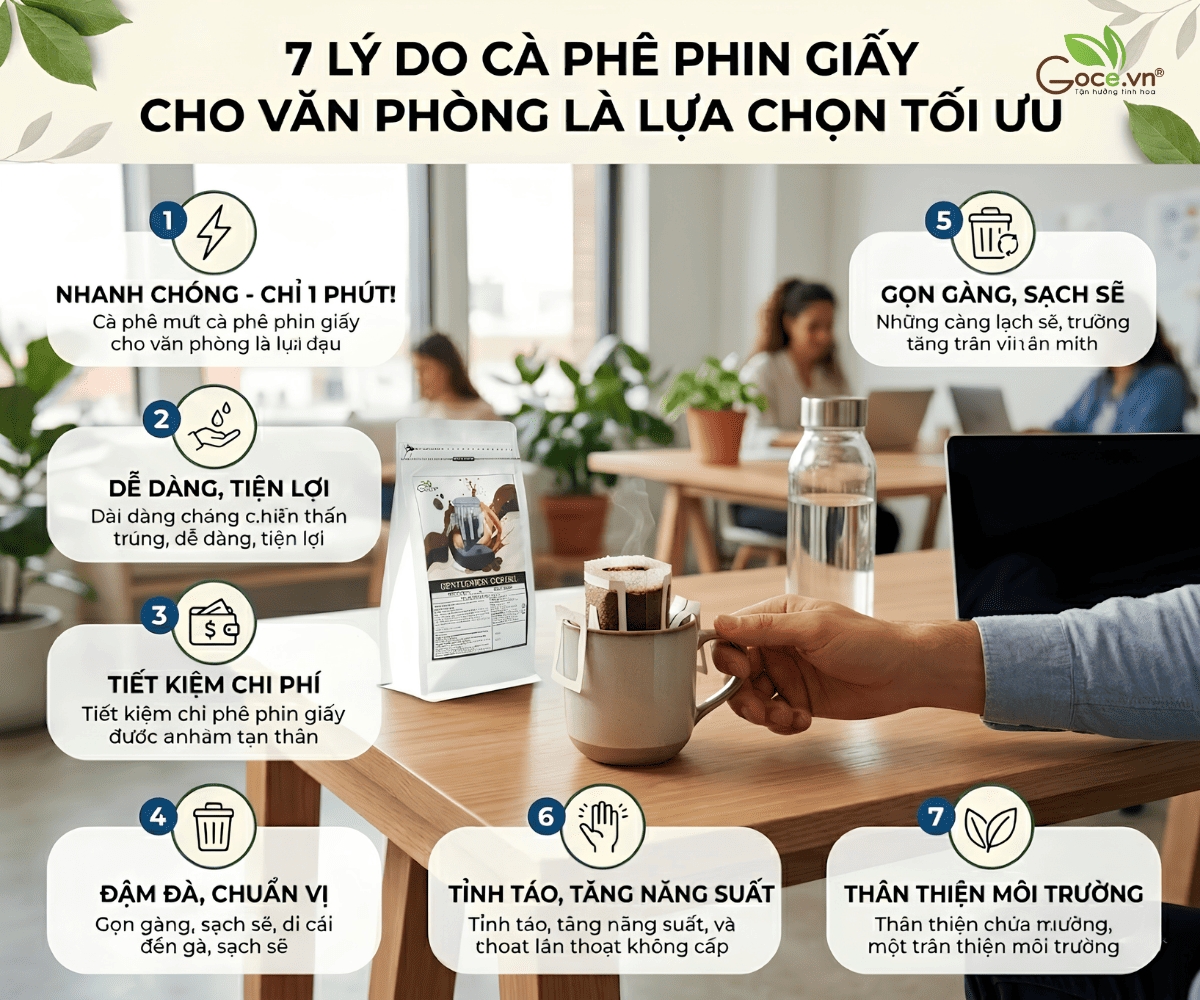
7 Reasons Why Drip Bag Coffee Is the Ideal Choice for Offices
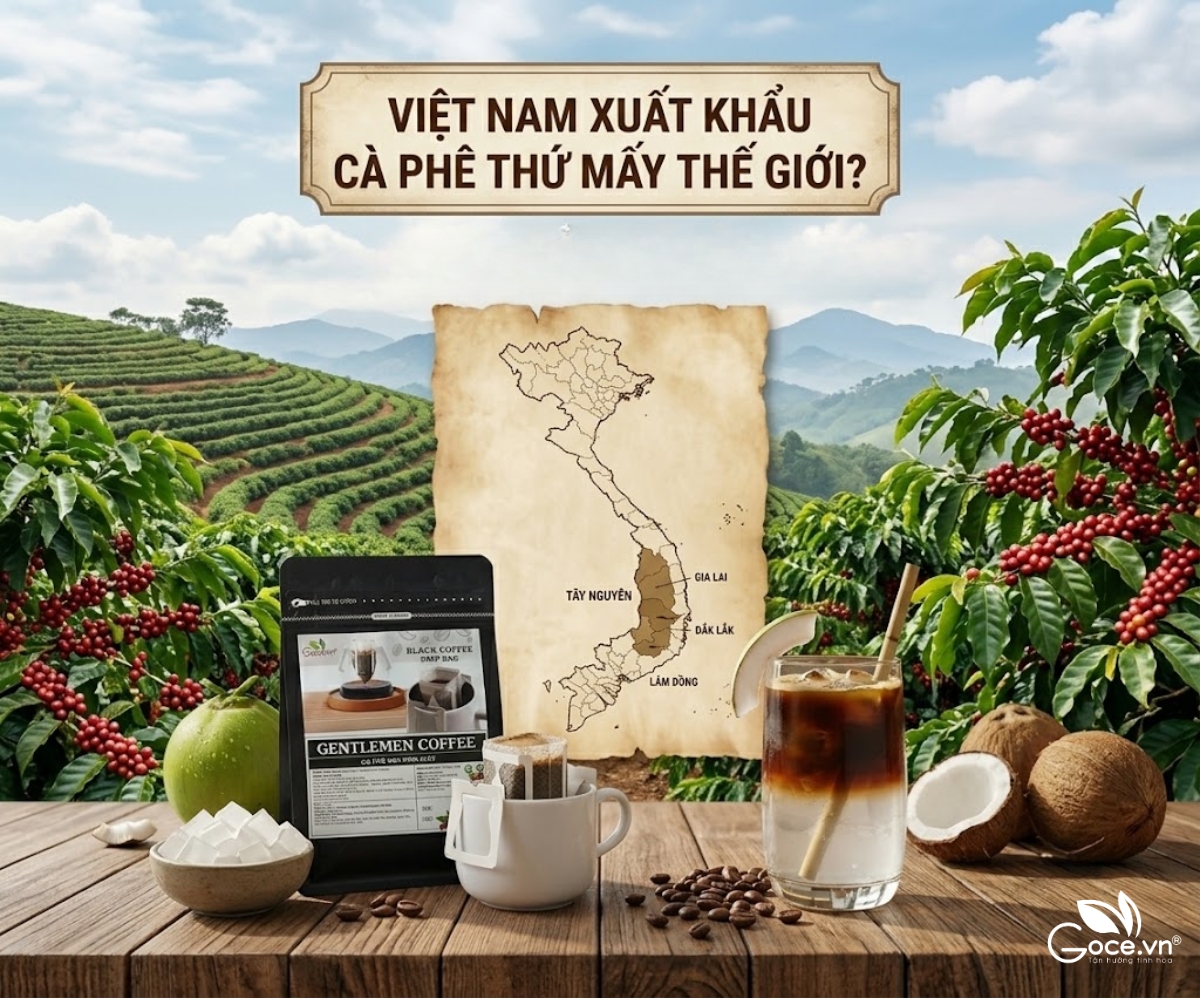
Vietnam: The World's Coffee Powerhouse Hidden in Every Morning Cup
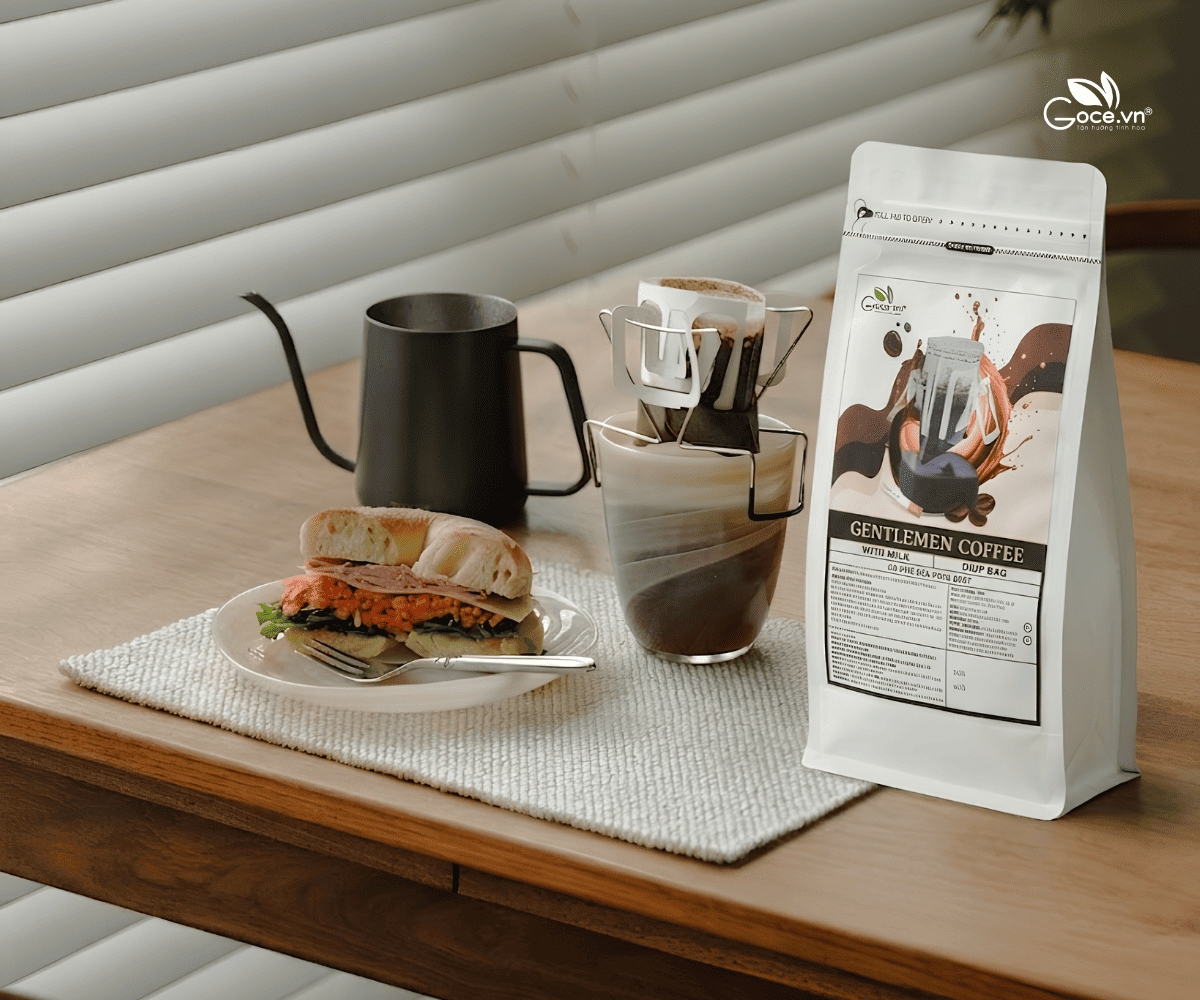
Paper Drip Coffee for the Office: A Convenient Choice for the Modern Workday
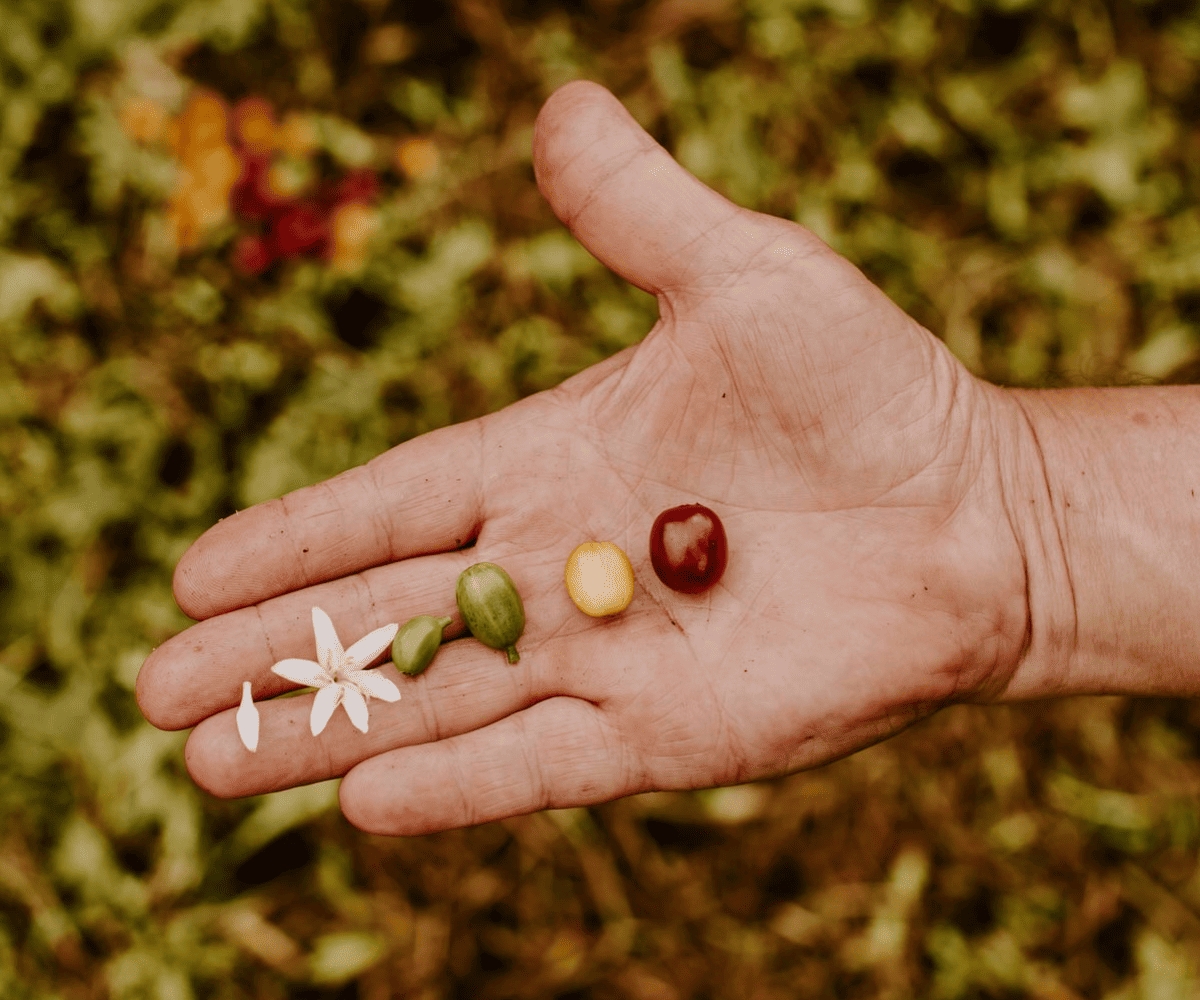
Vietnam Coffee Harvest Season When Is Harvested?

Does Drinking Coffee Cause Acne? The Truth Many People Misunderstand

Coconut Coffee: A “2-in-1” Summer Drink That Boosts Energy and Replenishes Electrolytes
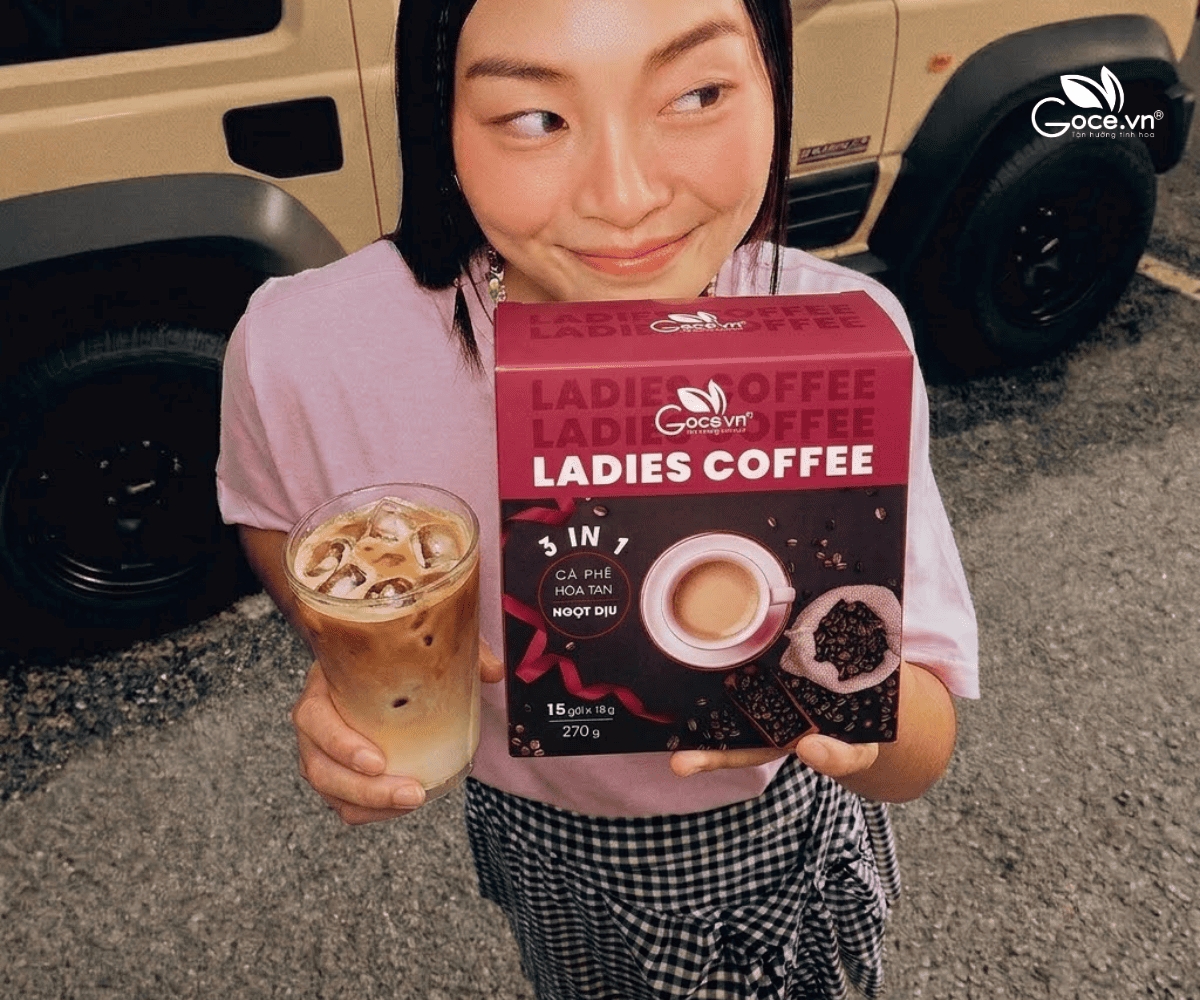
How to Choose Delicious and Easy-to-Drink Instant Coffee
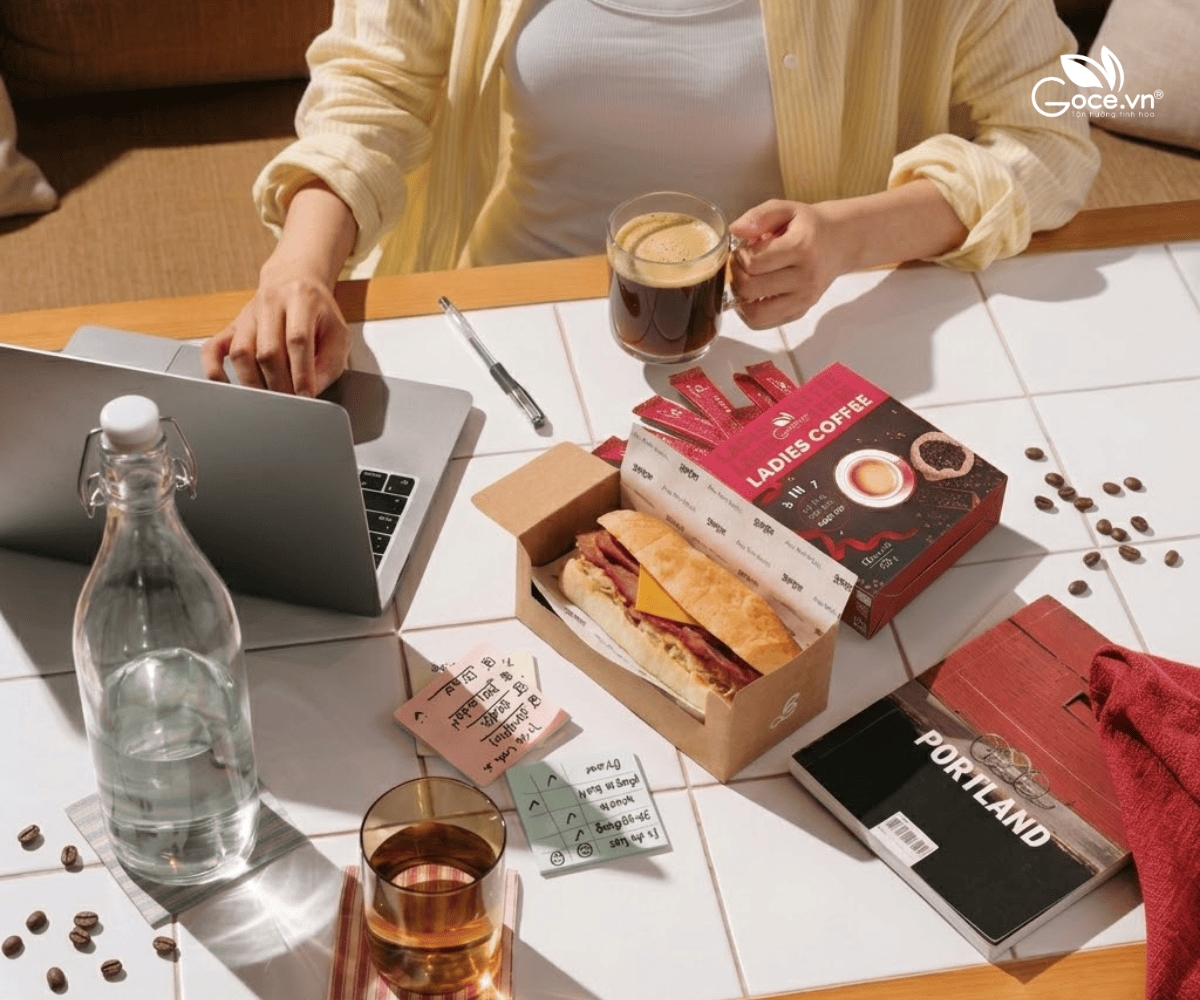
What Type of Coffee Do Many Women Prefer Today?

Does Drinking Coffee Increase Blood Pressure?

Can People with Diabetes Drink Coffee?

Easy-to-Drink and Less Bitter Coffee for Women Loved Today
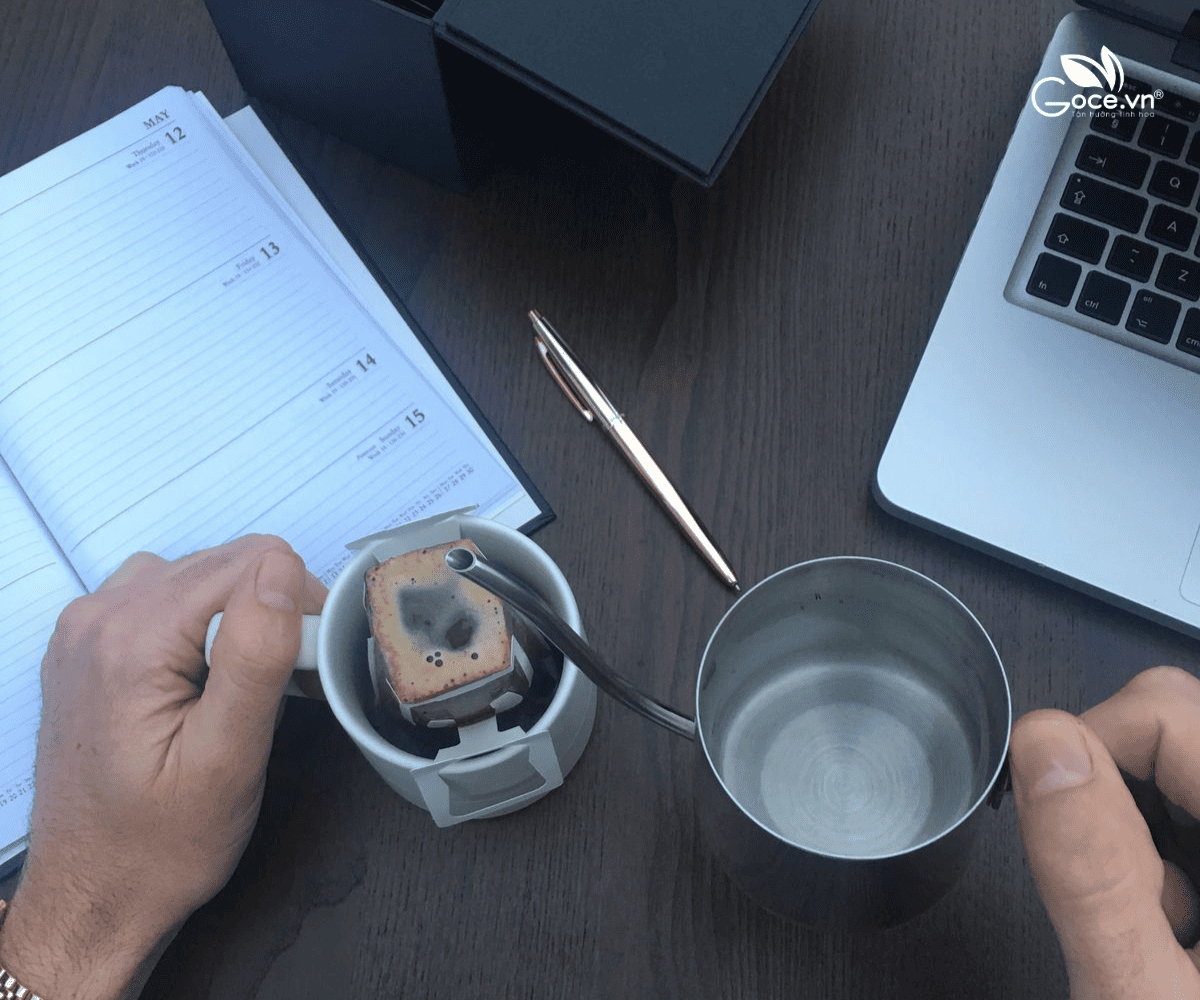
Which Drip Bag Coffee Tastes as Bold as Café-Style Brew?
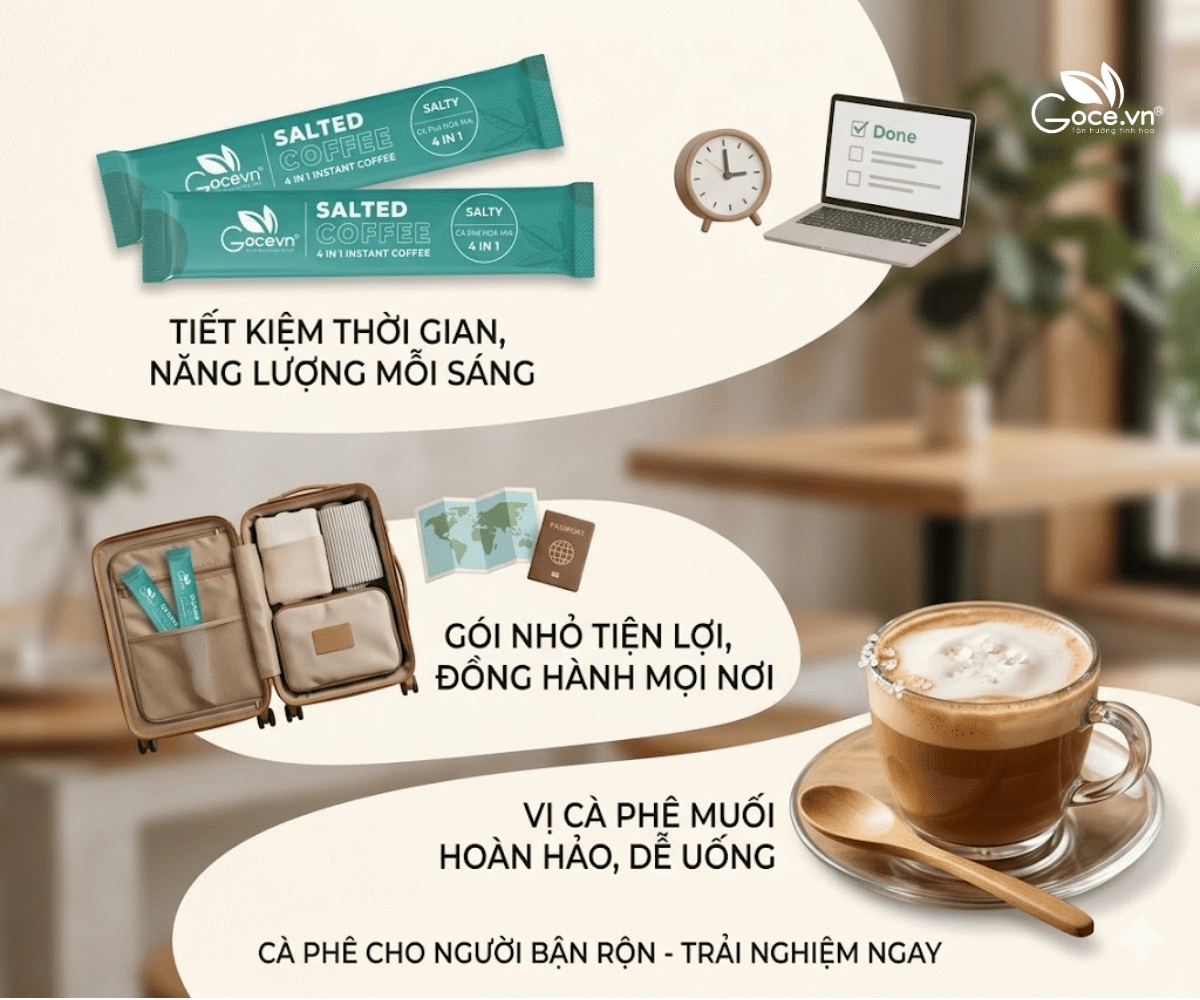
Instant Salt Coffee for Busy Lifestyles

How to Make Lemon Coffee – Refreshing, Flavorful & Awakening All Your Senses

4 Powerful Ingredients to Add to Coffee for Effective Fat Burning

How Many Calories Are in a Cup of Black Coffee? A Detailed Guide & Healthy Choice Tips

How Many Calories Are in Coffee? A Guide to Coffee Calories and Healthier Choices
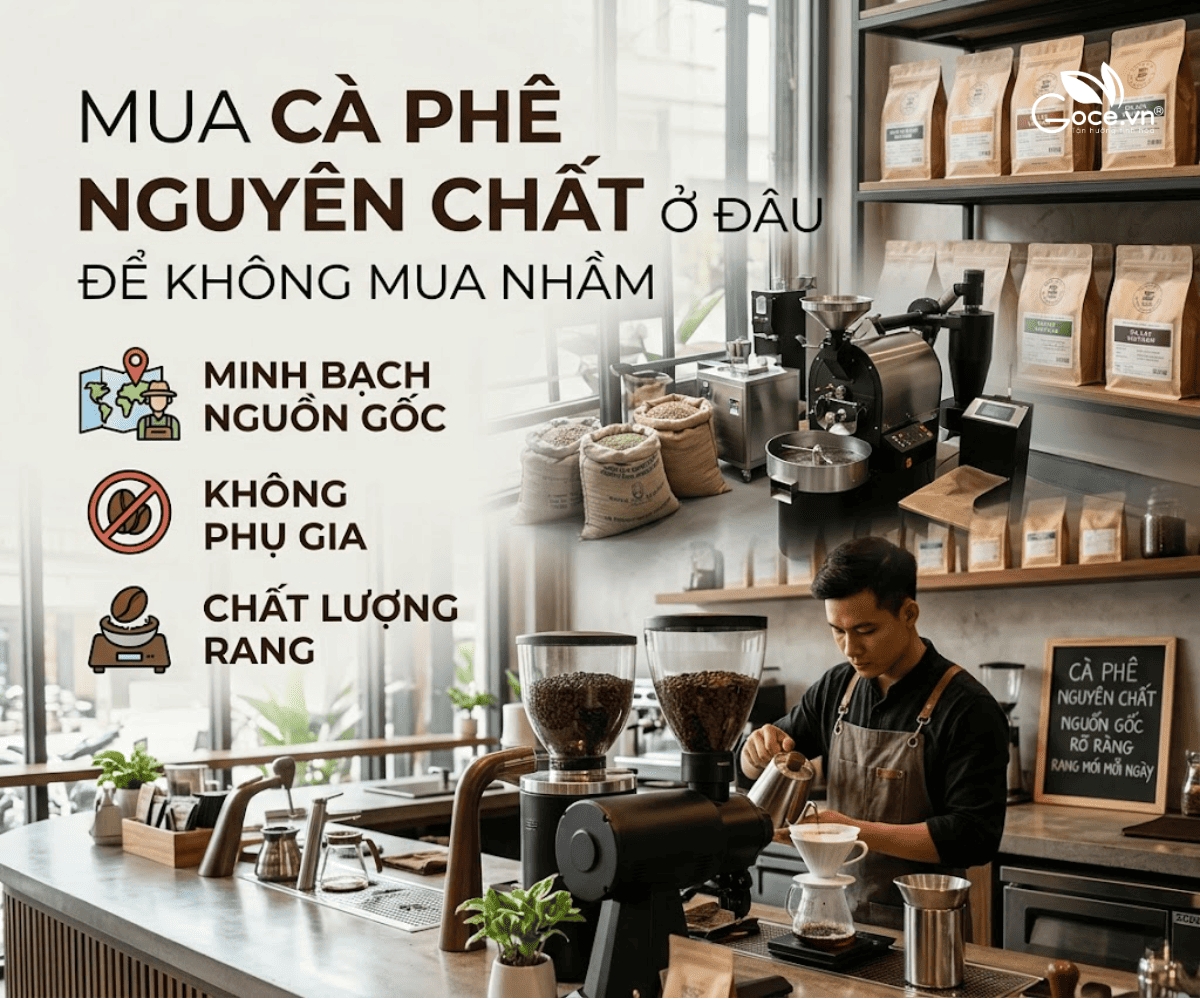
Where to Buy Pure Coffee Without Being Misled

Coffee and a Racing Heart: 7 Frequently Asked Questions Answered in Detail

Why Does Coffee Make Your Heart Race? Causes and What to Do

Is It True That Pure Coffee Isn’t Fragrant?
Milk Coffee: Understanding It Right for Better Taste and Health

Milk Coffee: Benefits, Effects, and Important Notes When Enjoying It

Drinking Morning Coffee but Still Getting Stomach Pain? Here Are 5 Things You Should Change Immediately

How to Drink Coffee Without Tossing and Turning Until Midnight

Trying Salt Coffee for the First Time? 5 Things You Should Know Before Drinking
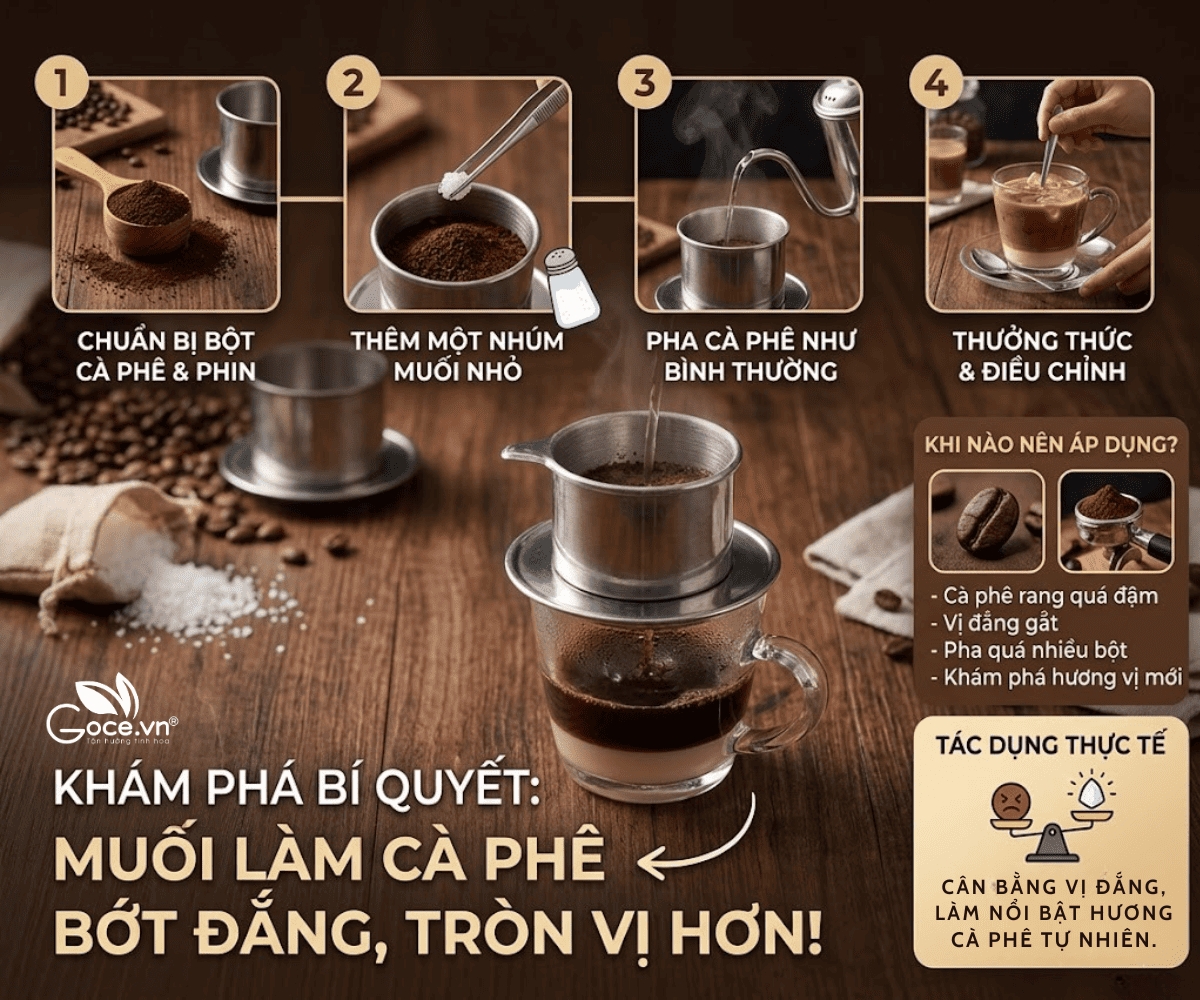
What Does Adding Salt to Coffee Do? A Small Trick for a More Balanced Cup
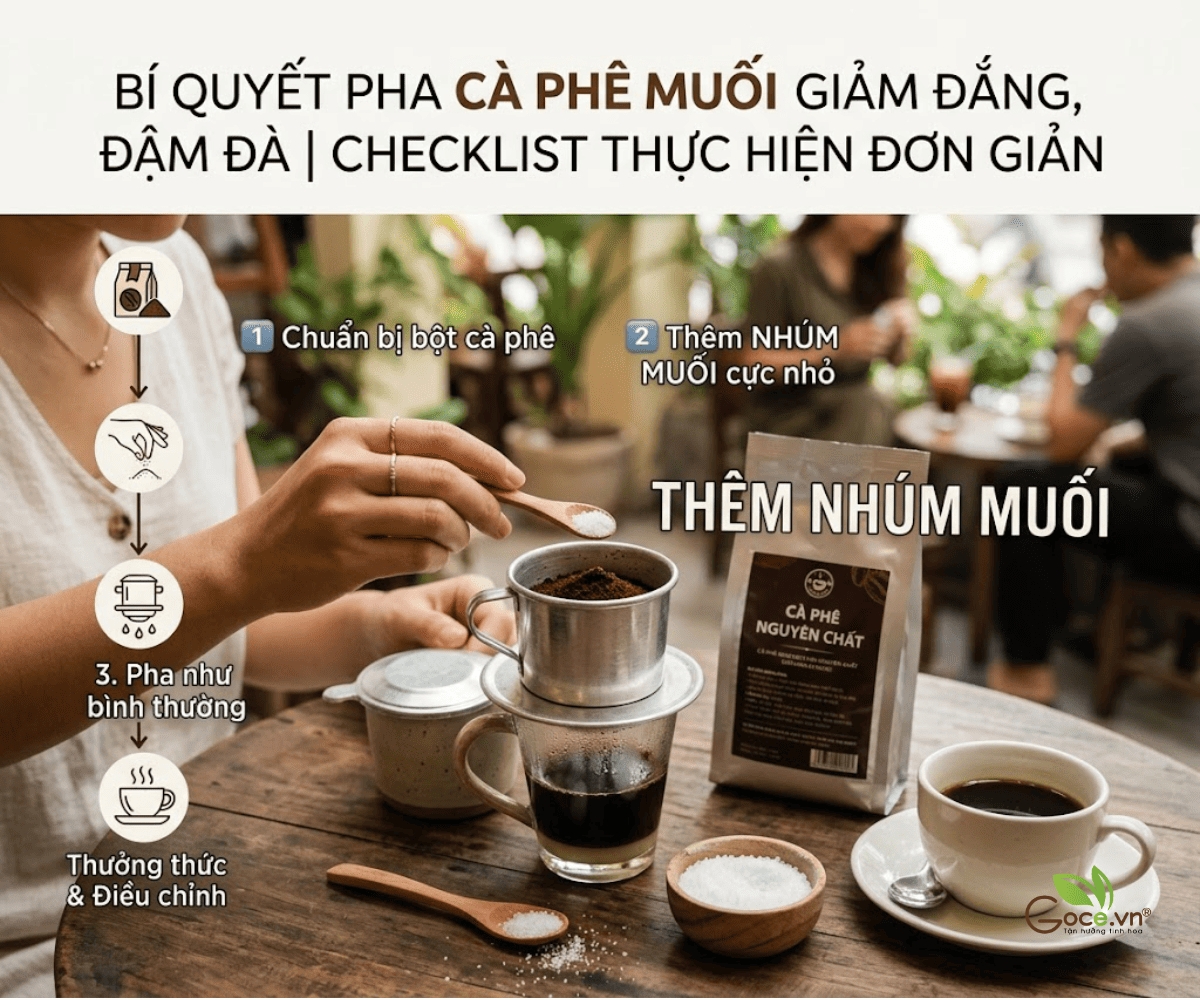
What Happens When You Add Salt to Coffee? A Little-Known Secret
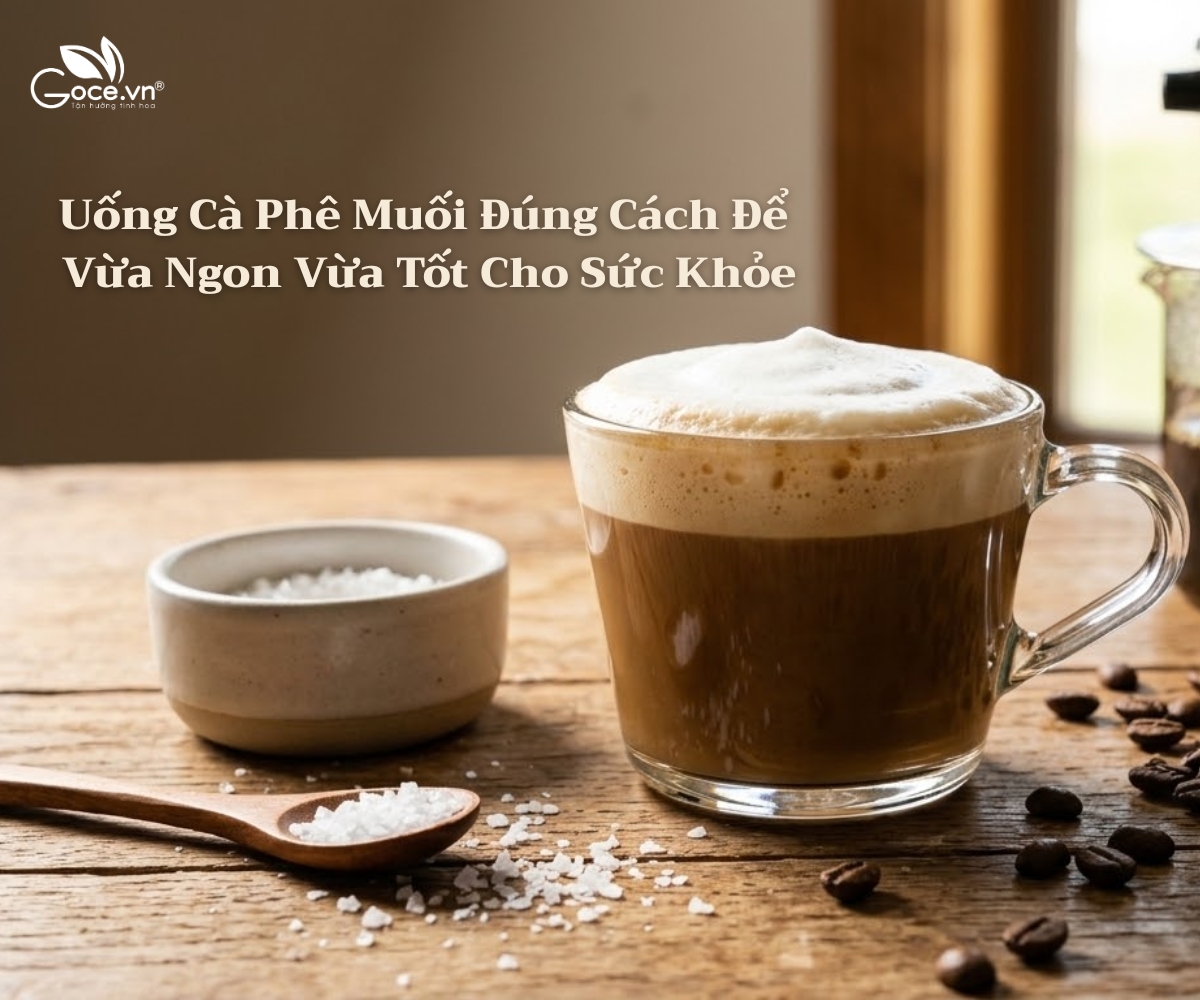
How to Drink Salt Coffee Properly for Both Great Taste and Better Health

What Is Salt Coffee? Why You Should Try It at Least Once
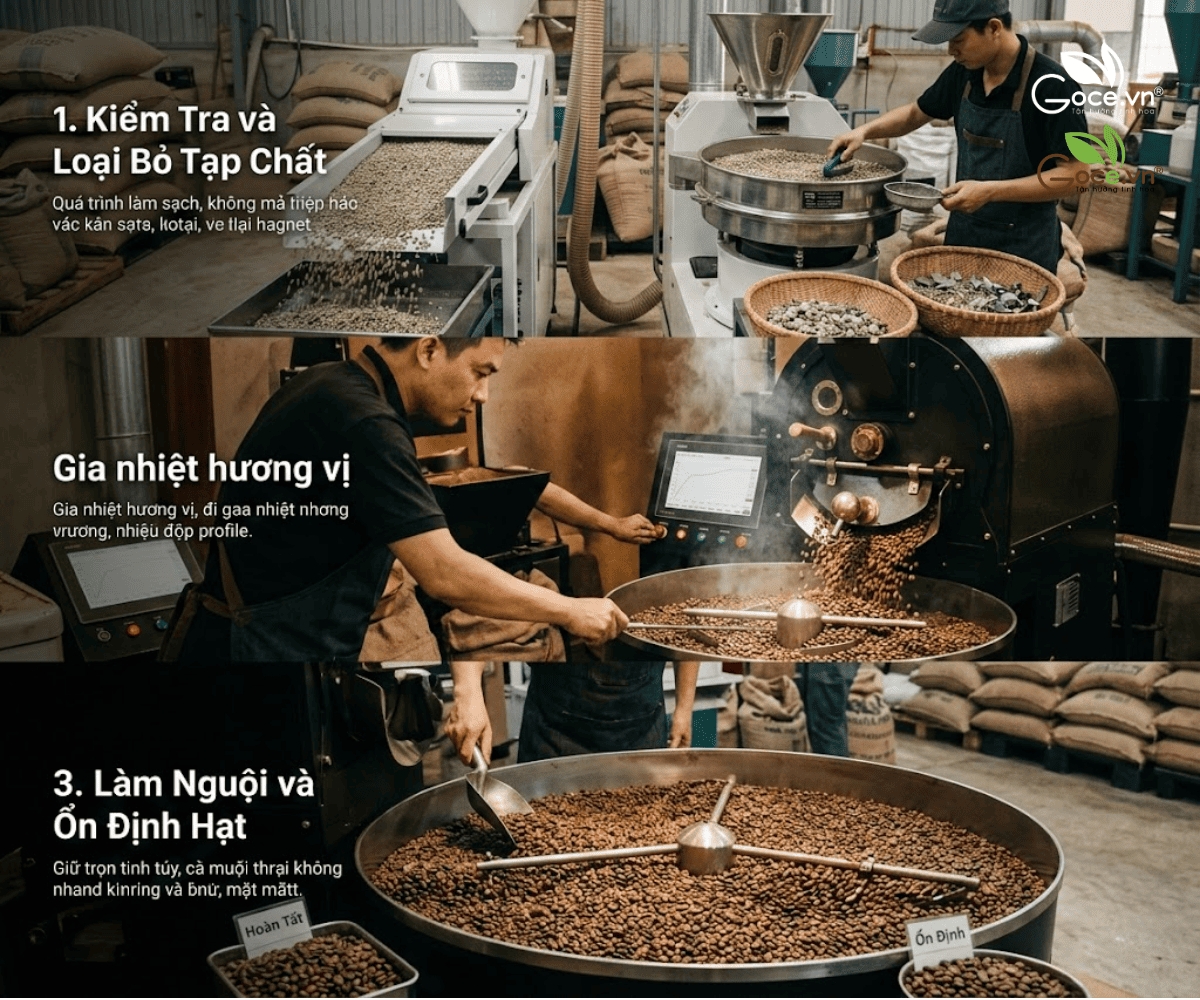
How Does the HACCP Coffee Production Process Work?

How Long Can Brewed Coffee Last? Proper Storage Tips

How Long After Taking Medicine Can You Drink Coffee?

Why Great Ideas Often Appear When You’re Drinking Coffee

Vietnam’s Coffee Exports Surpass $1 Billion in Early 2026 A Strong Start Amid Falling Prices
Coffee and Depression: The Surprising Link Science Is Gradually Uncovering

Why Is Coffee Bitter? The 3 Types of Bitterness Every Coffee Drinker Should Know

Drinking Coffee Daily Training the Brain or Creating Dependence?

Why Robusta Is Better Suited to Vietnam’s Climate Than Arabica
Paper Drip Coffee Not Everyone Has 10 - 15 Minutes to Sit and Wait for a Phin

Paper Drip Coffee The Real Issue for Phin Coffee Drinkers Is Not the Coffee

Coffee and Parkinson’s Disease: Effective for Prevention, but Caution Is Needed for Patients

The Secret to Longevity Through Coffee Drinking

Drinking Coffee on an Empty Stomach: A Dangerous Habit You Should Quit Immediately

Black Coffee: A Scientifically Proven Natural Weapon Against Fatty Liver Disease

Vietnamese Coffee Shines on the Southeast Asian Culinary Map

How to Drink Coffee for Better Health? A Scientific Perspective
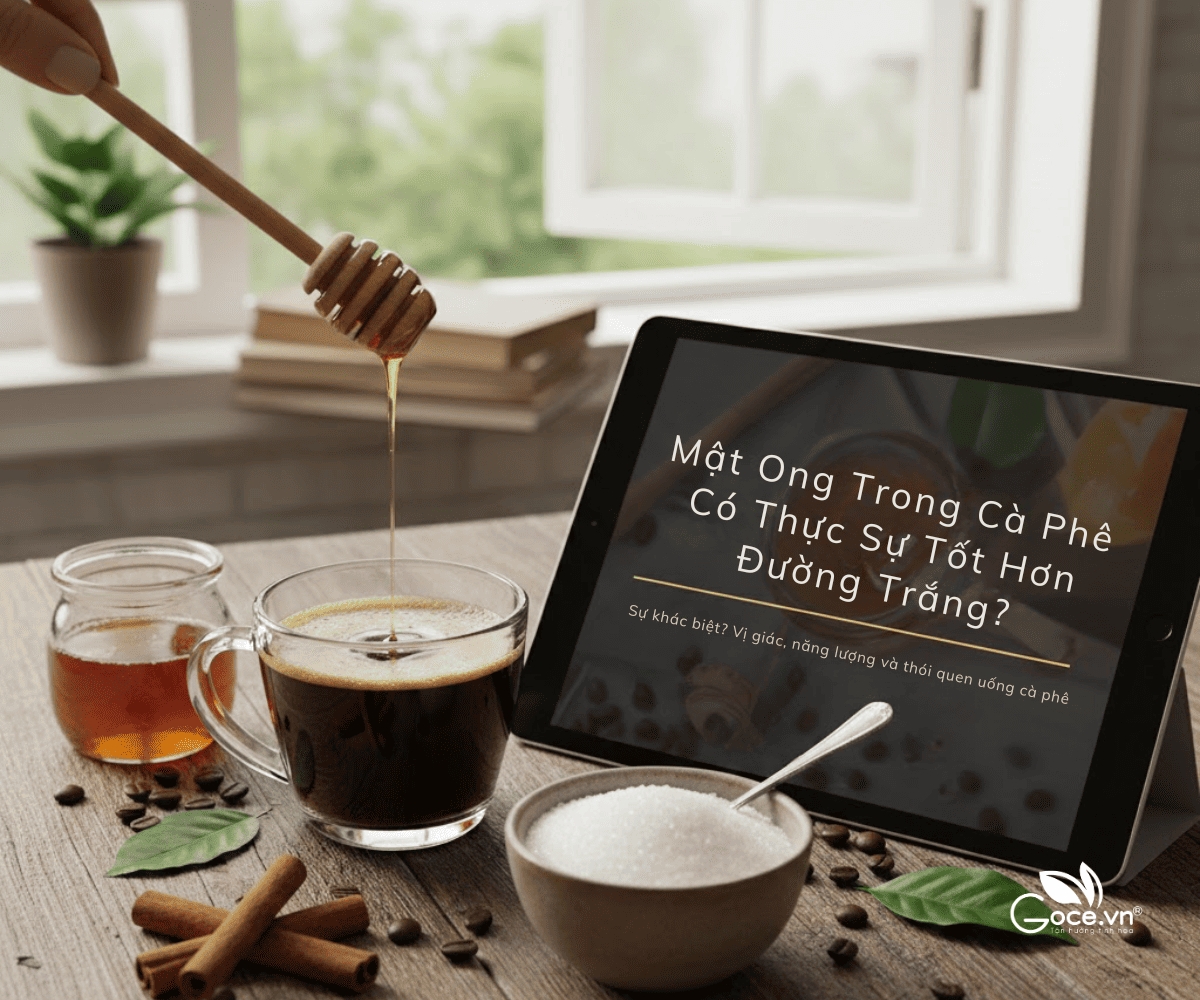
Is Honey in Coffee Really Better Than White Sugar?
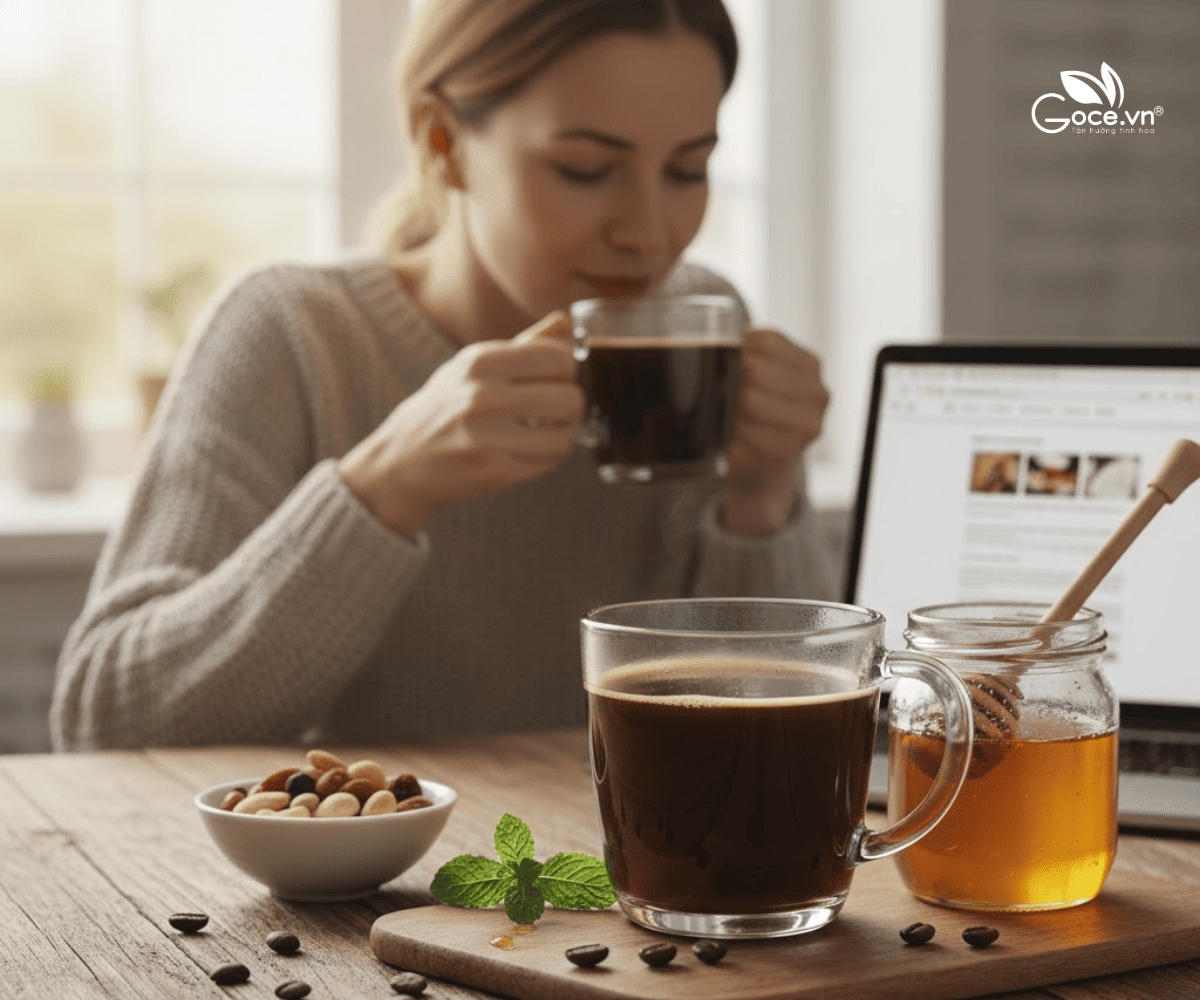
Honey in Coffee vs White Sugar: What’s the Difference?

Should You Drink Coffee Before Going to the Gym?

How to Make the Perfect Plant-Based Butter Coffee

Secrets to Rapid Coffee Tree Recovery & High Yields After Harvest
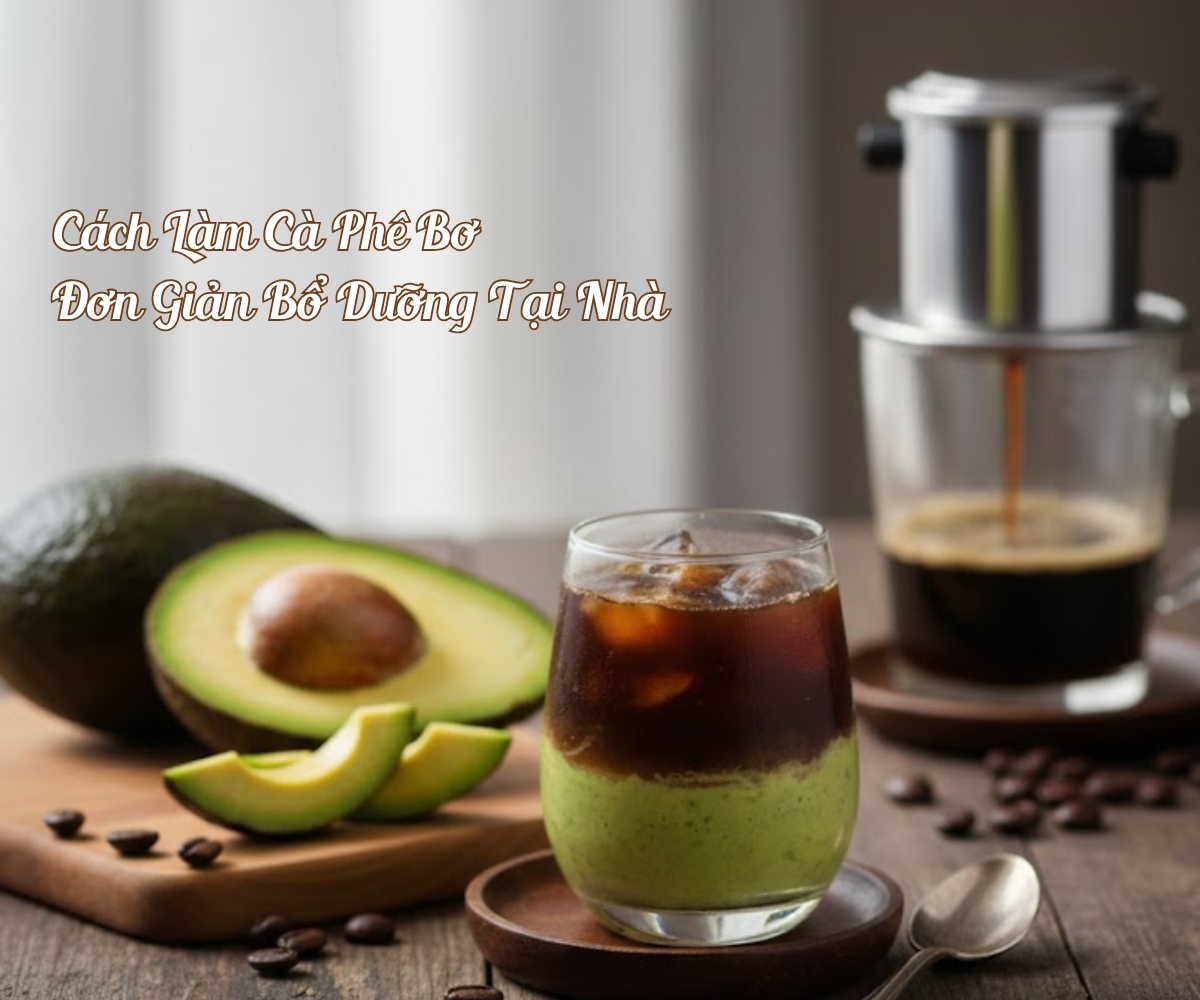
How to Make Simple and Nutritious Avocado Coffee at Home

How to Make Delicious Vietnamese Egg Coffee at Home

Coffee That’s Good for the Liver: The Secret to Drinking It the Right Way Every Day

How to Store Paper Drip Coffee Properly to Preserve Its Full Flavor

How to Brew Perfect Paper Drip Coffee at Home Simple and Authentic

Paper Drip Coffee: A Convenient Coffee Trend Among Young Consumers
How Is Salt Coffee Different from Milk Coffee? A Flavor Experience Comparison
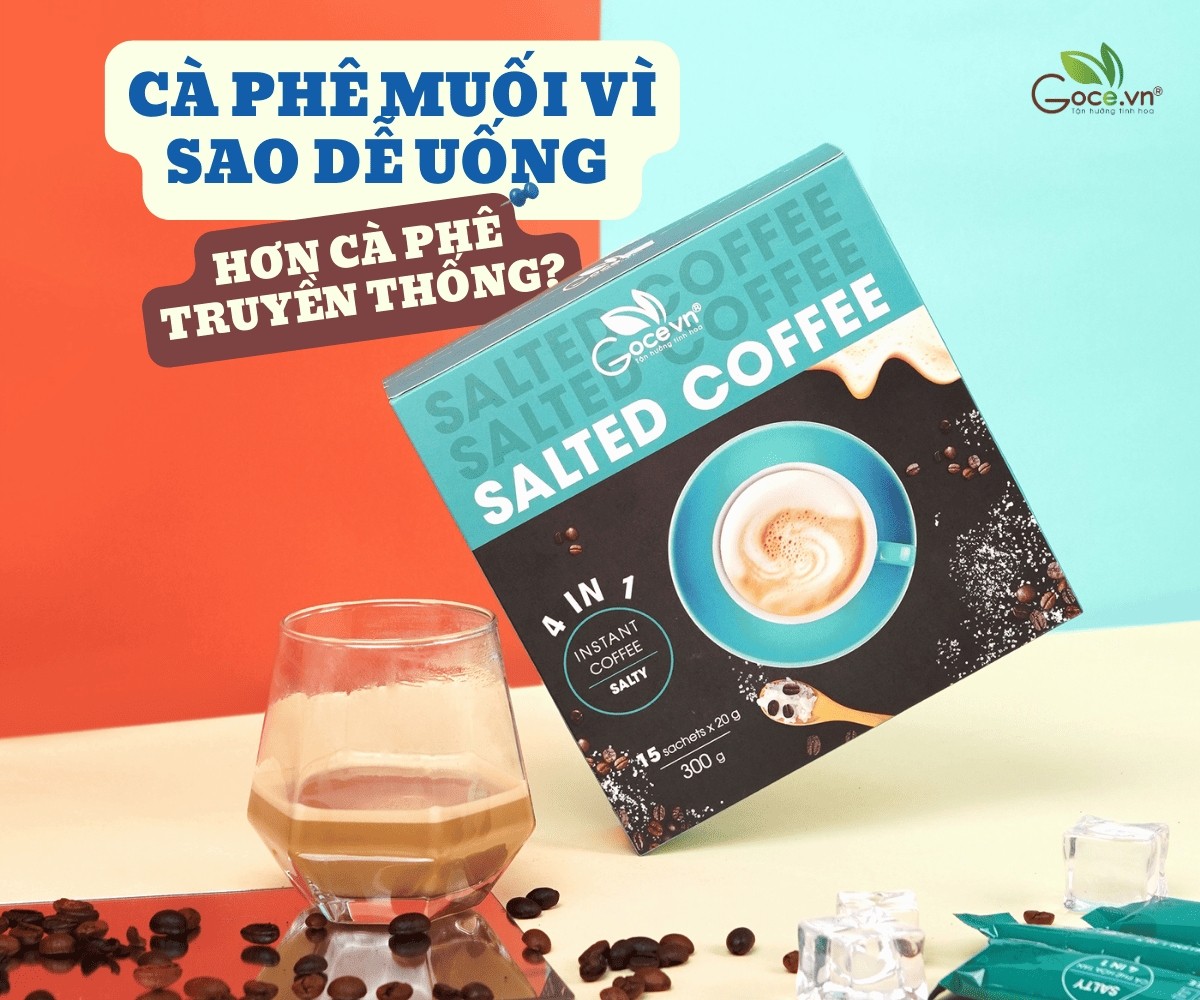
Why Is Salt Coffee Easier to Drink Than Traditional Coffee?
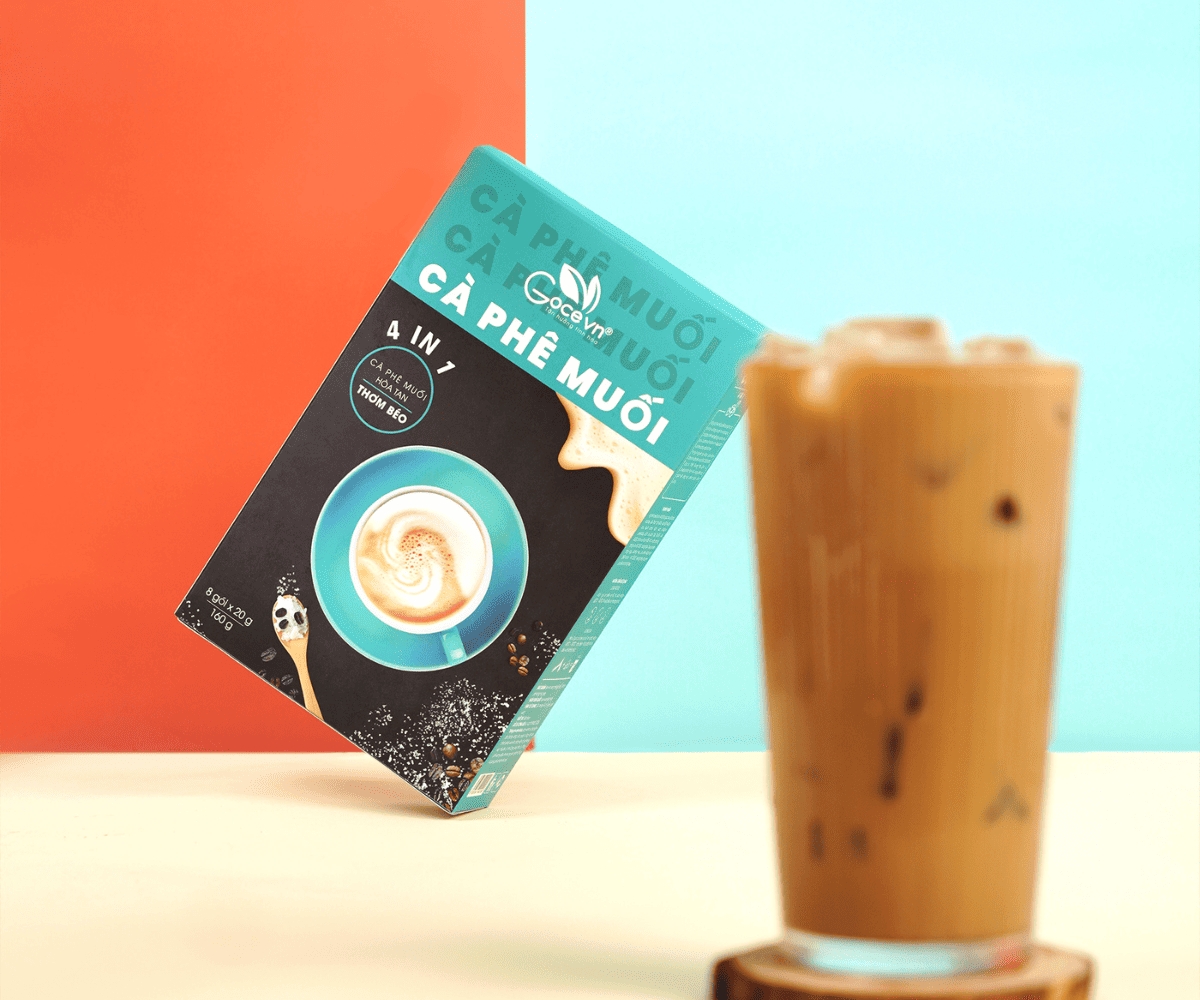
What Does Salt Coffee Taste Like? A Surprisingly Pleasant Experience
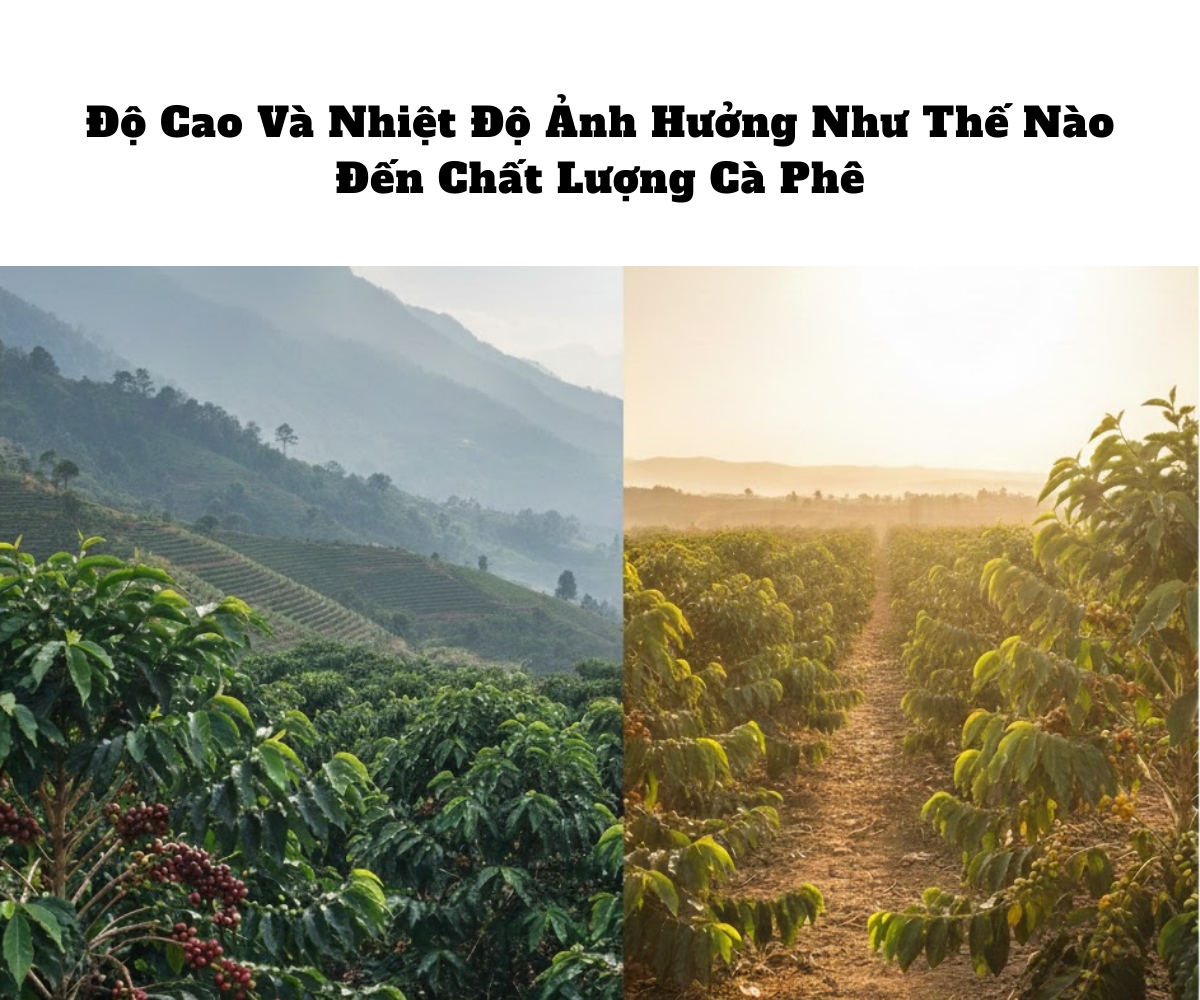
How Do Altitude and Temperature Affect Coffee Quality?
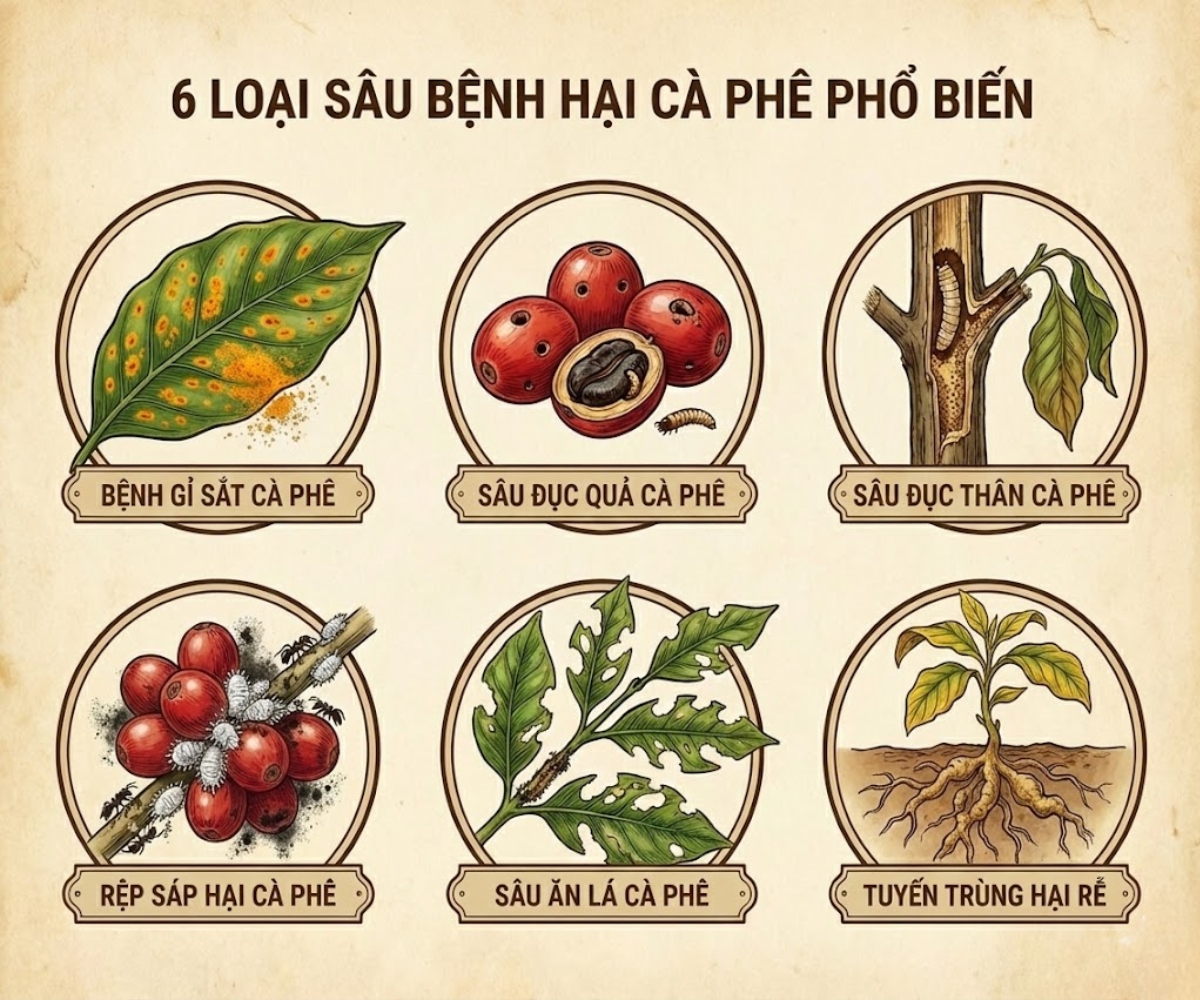
6 Common Coffee Pests and Diseases and Effective Control Methods
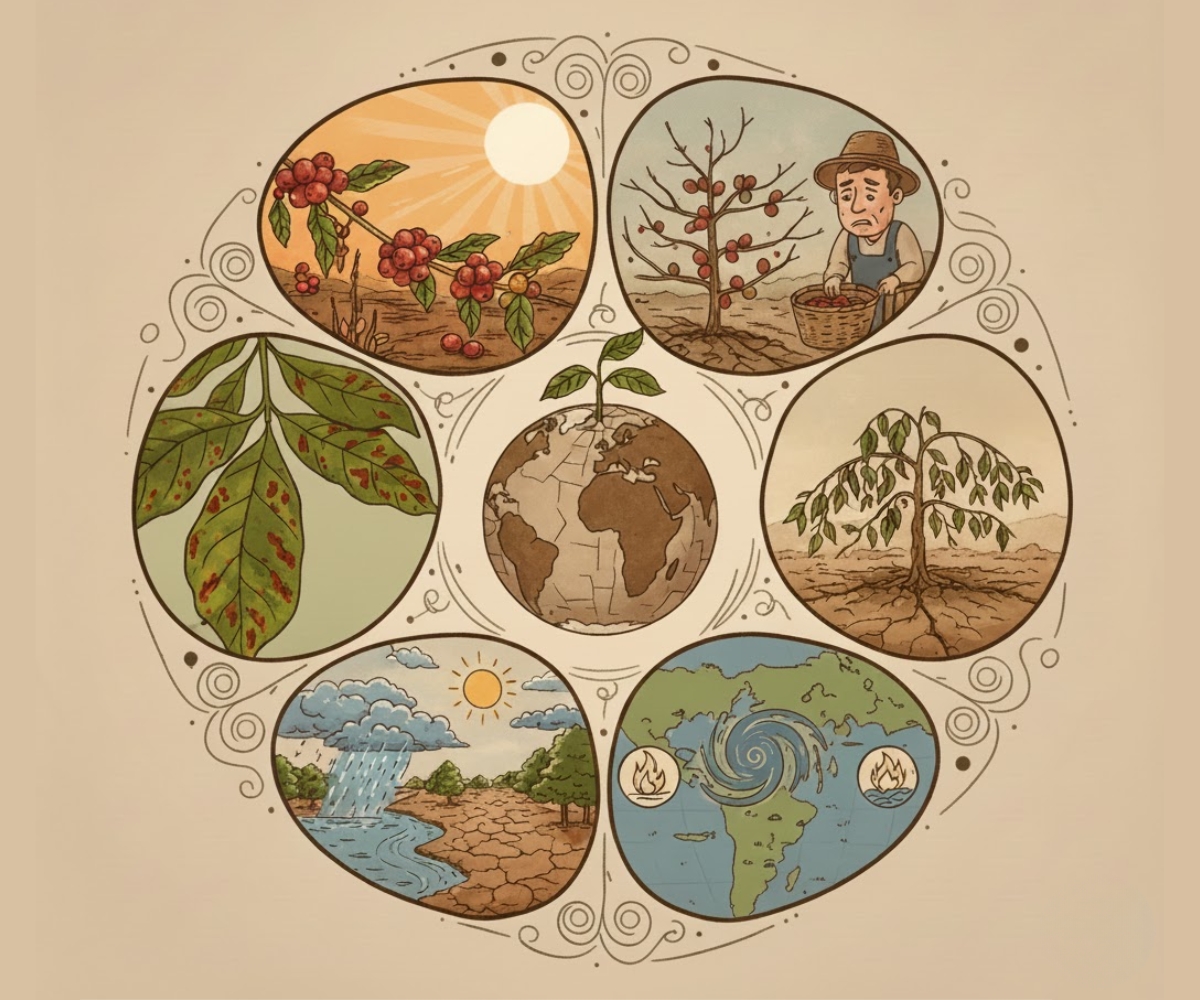
6 Things About Climate Change Threatening the Global Coffee
The Golden Hour for Drinking Coffee to Stay Alert All Day
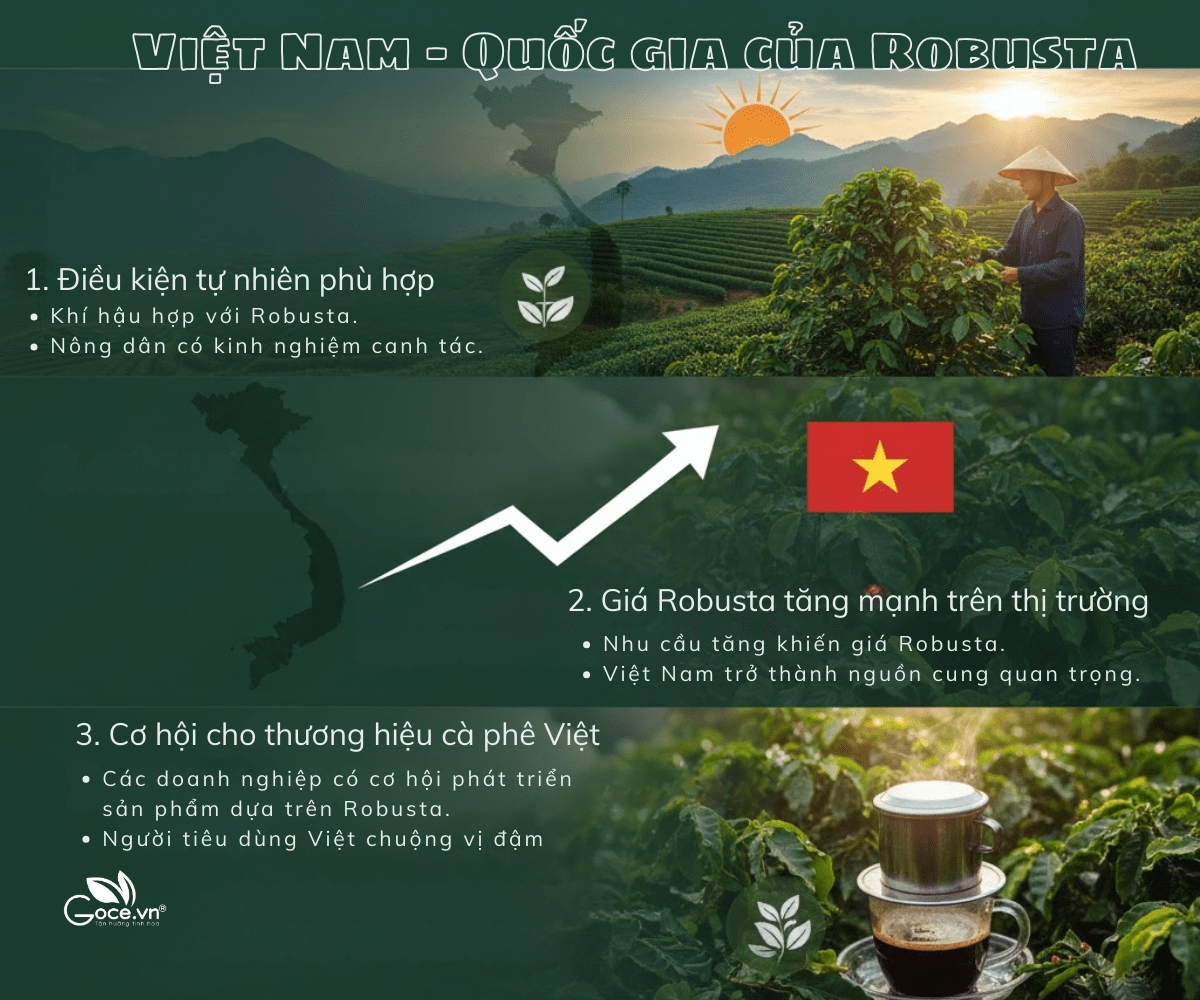
Why Robusta Coffee Is Becoming a Global Trend in the Era of Climate Change
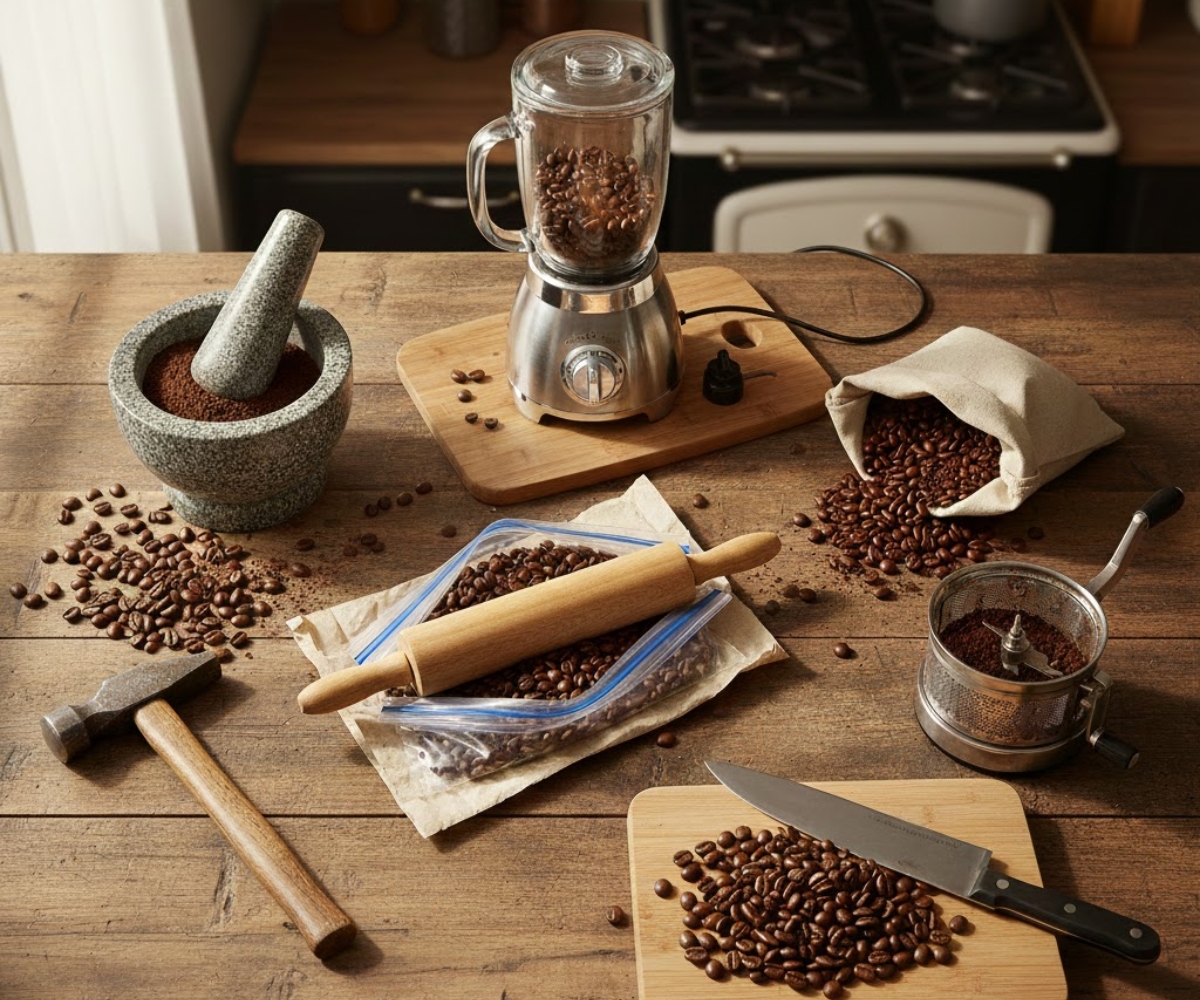
6 Ways to Grind Coffee Beans Without a Grinde
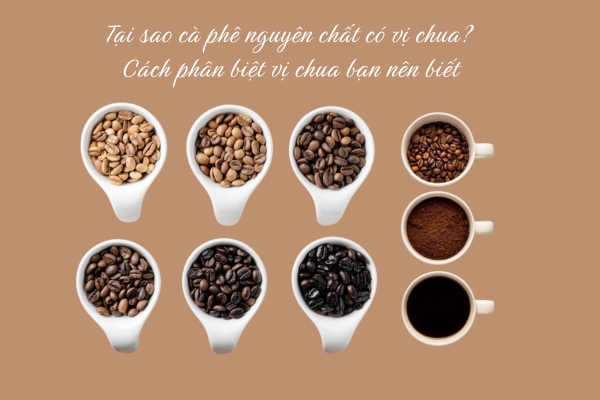
Why does pure coffee taste sour? How to distinguish sour taste you should know
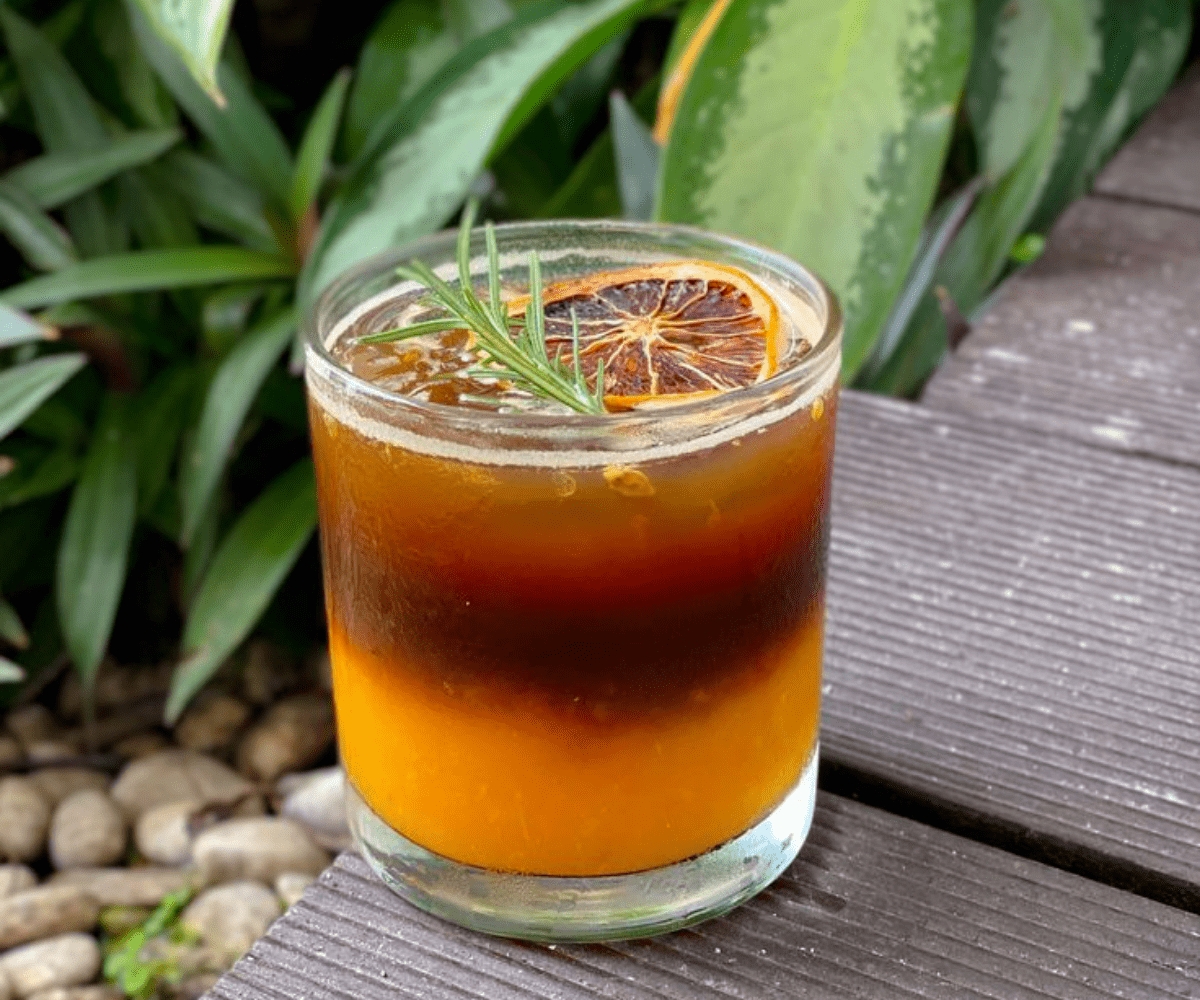
Homemade Orange Coffee: Simple Recipe, Café-Style Delicious

Drinking Coffee Causes Stomach Pain? Causes and Effective Solutions

Instant Coffee: 7 Unexpected Benefits and Facts You Need to Know

Black Coffee: A Smart Choice for Gen Z in the Age of Healthy Living
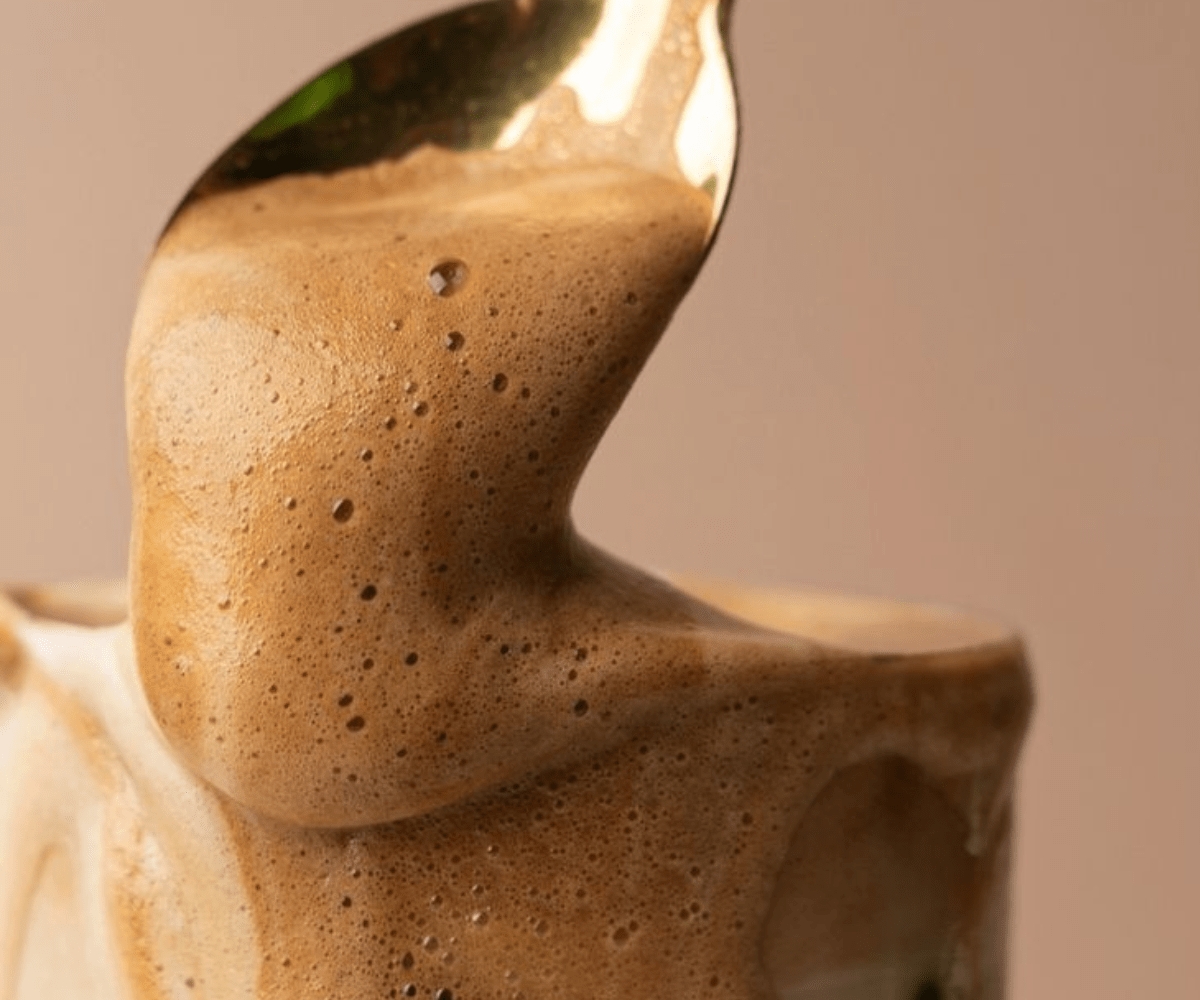
3 Steps to Make Salt Coffee at Home Café-Quality Taste in Minutes
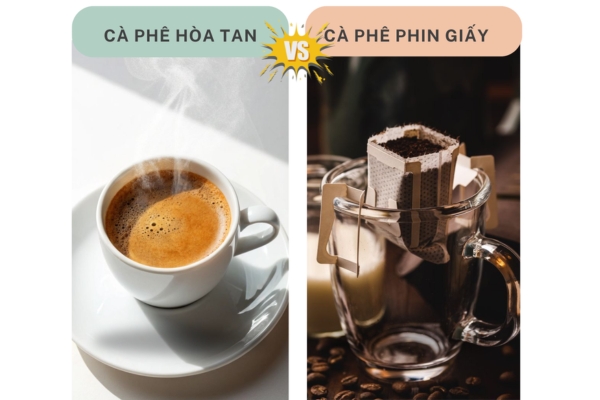
How Are Instant Coffee and Drip Bag Coffee Different?
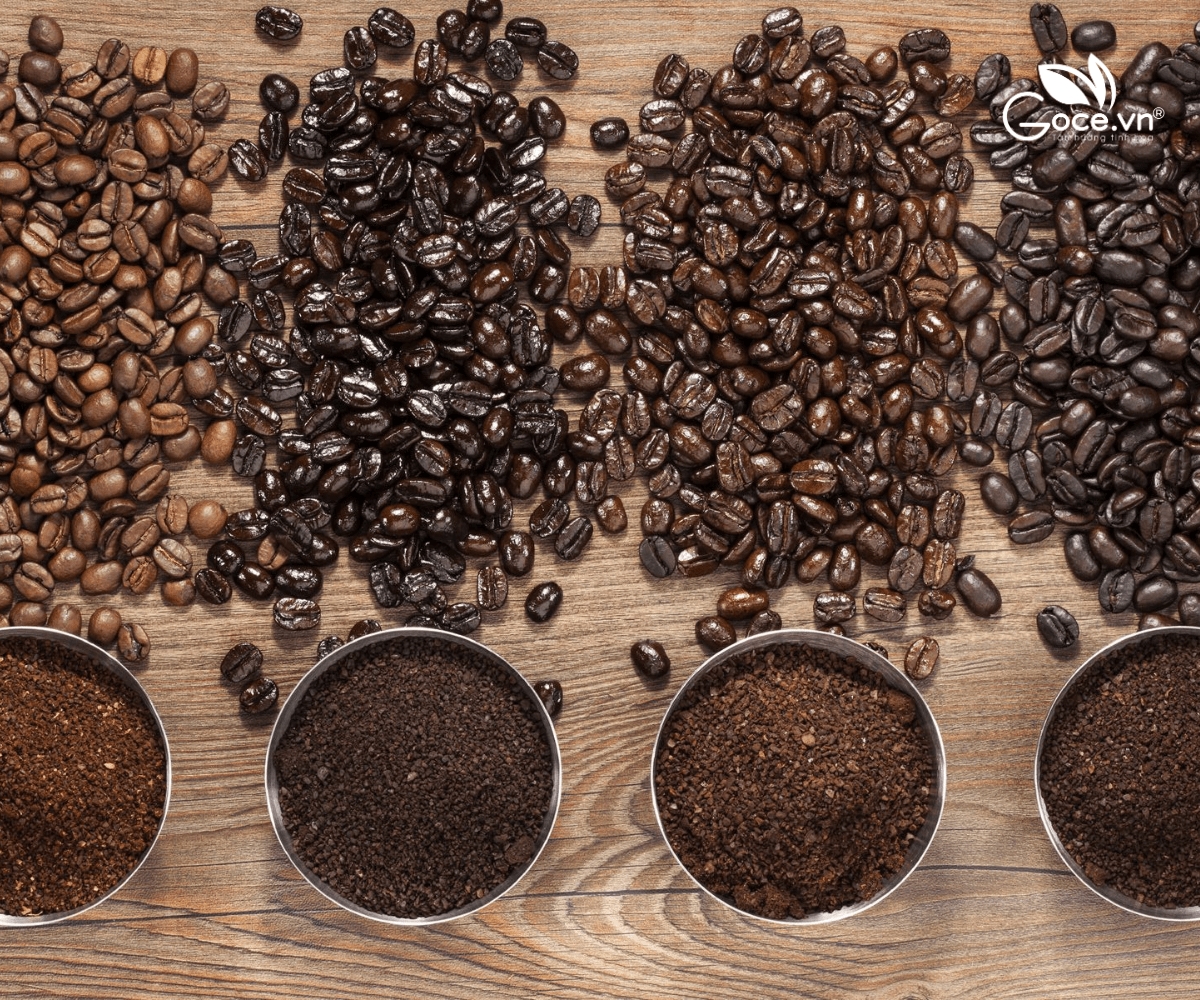
How Ground Coffee Differs from Coffee Beans: A Guide for Lovers of Pure Flavor
Coffee bean lovers are people who love meticulousness in every moment of life
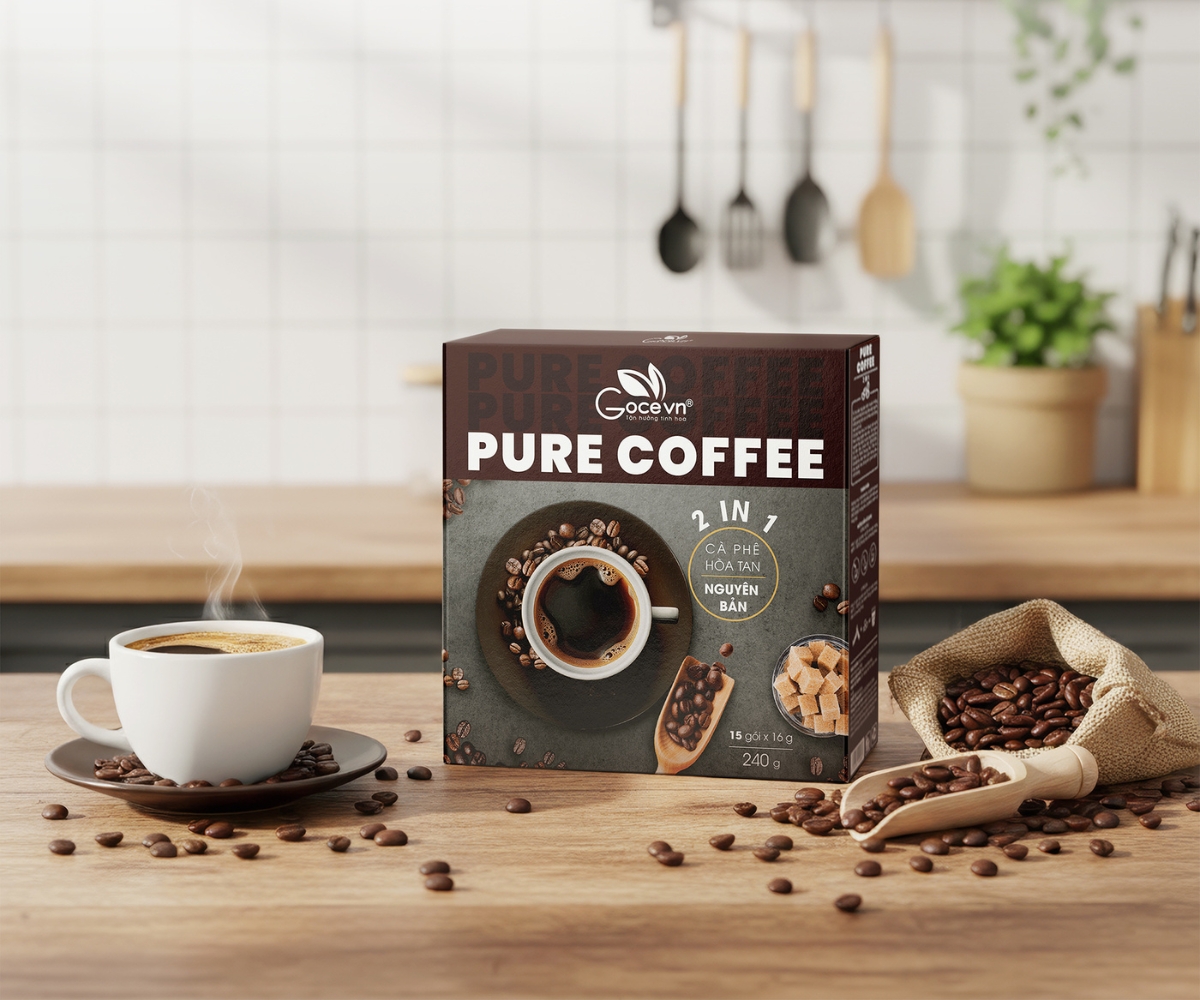
Instant coffee trend in the modern lifestyle of young people

Coffee for Women The Convenient Choice for the Right Taste and Morning Energy
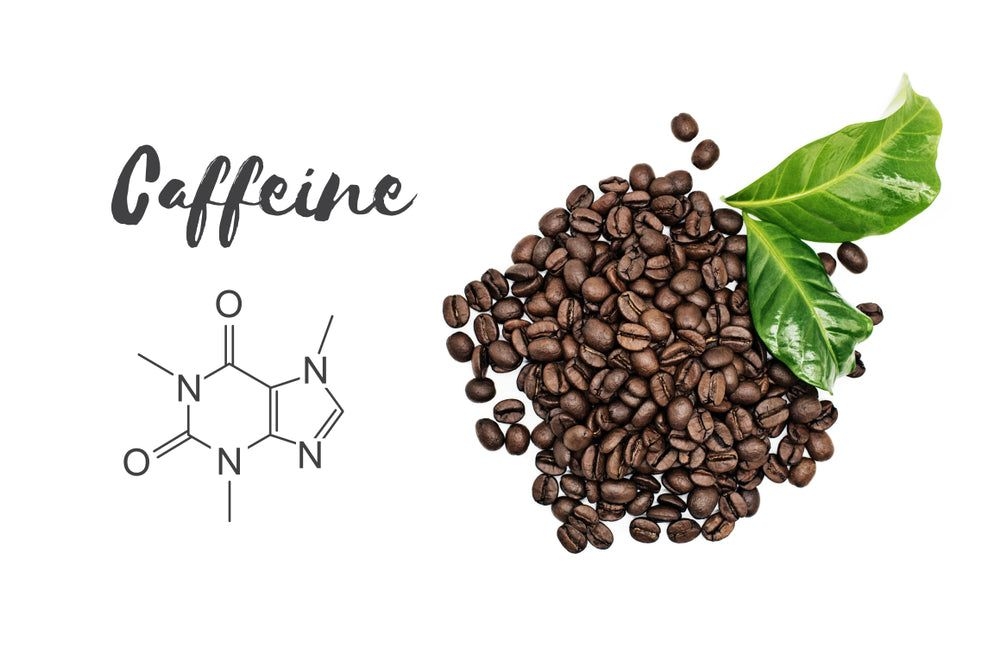
What is caffeine? Effect, dosage and what you should know.
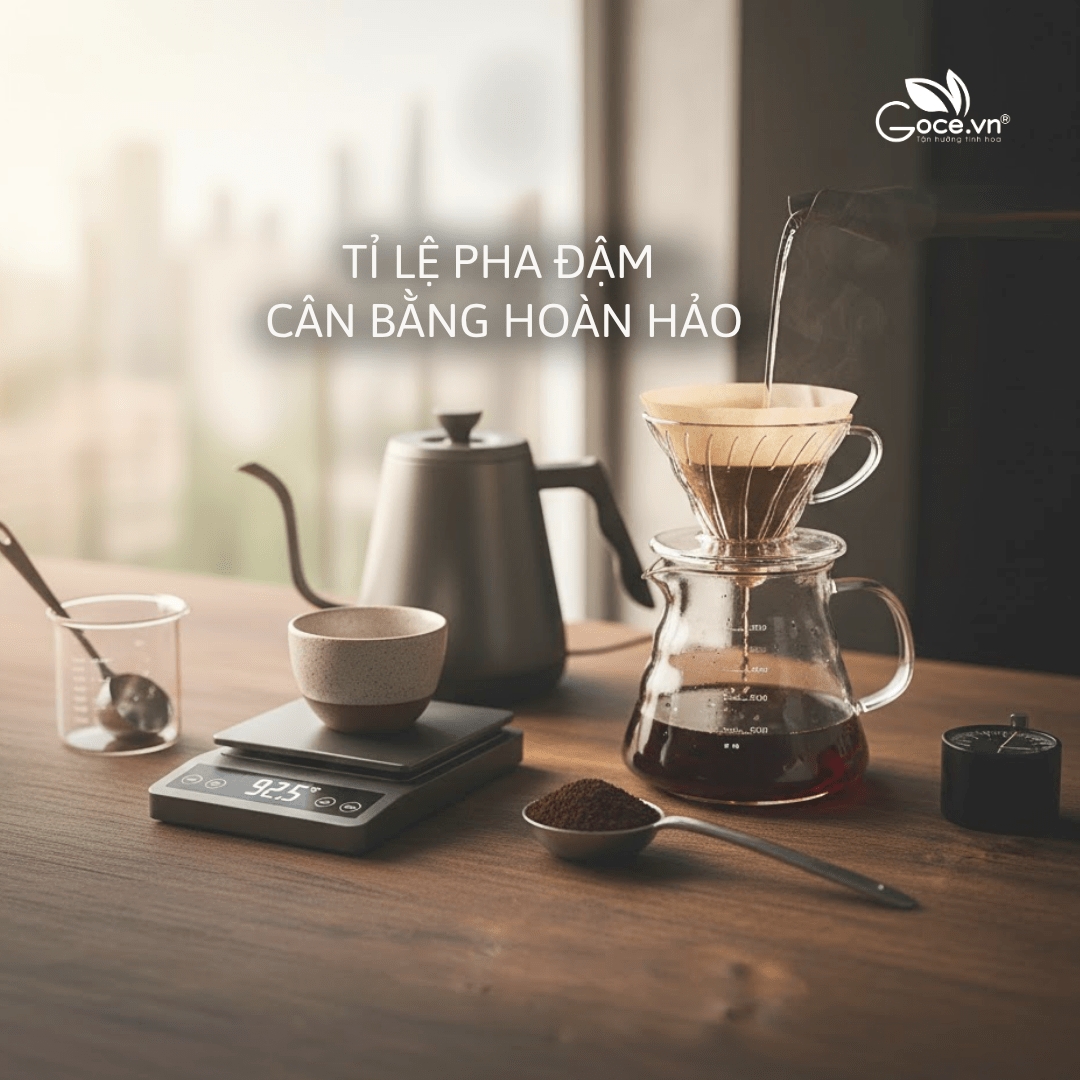
Strong Coffee The Secret to Brewing the Perfect Bold Cup for Men
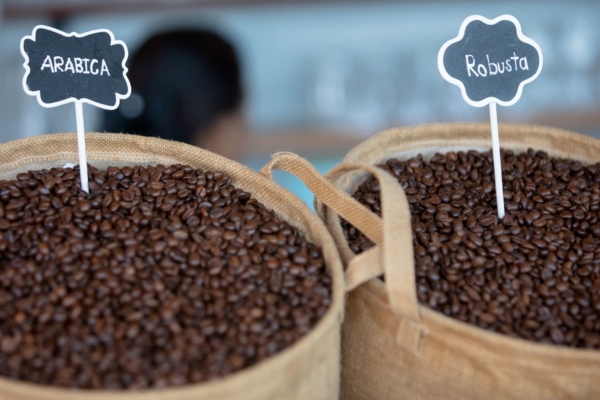
The difference between Arabica and Robusta coffee: the secret of choosing high-quality coffee
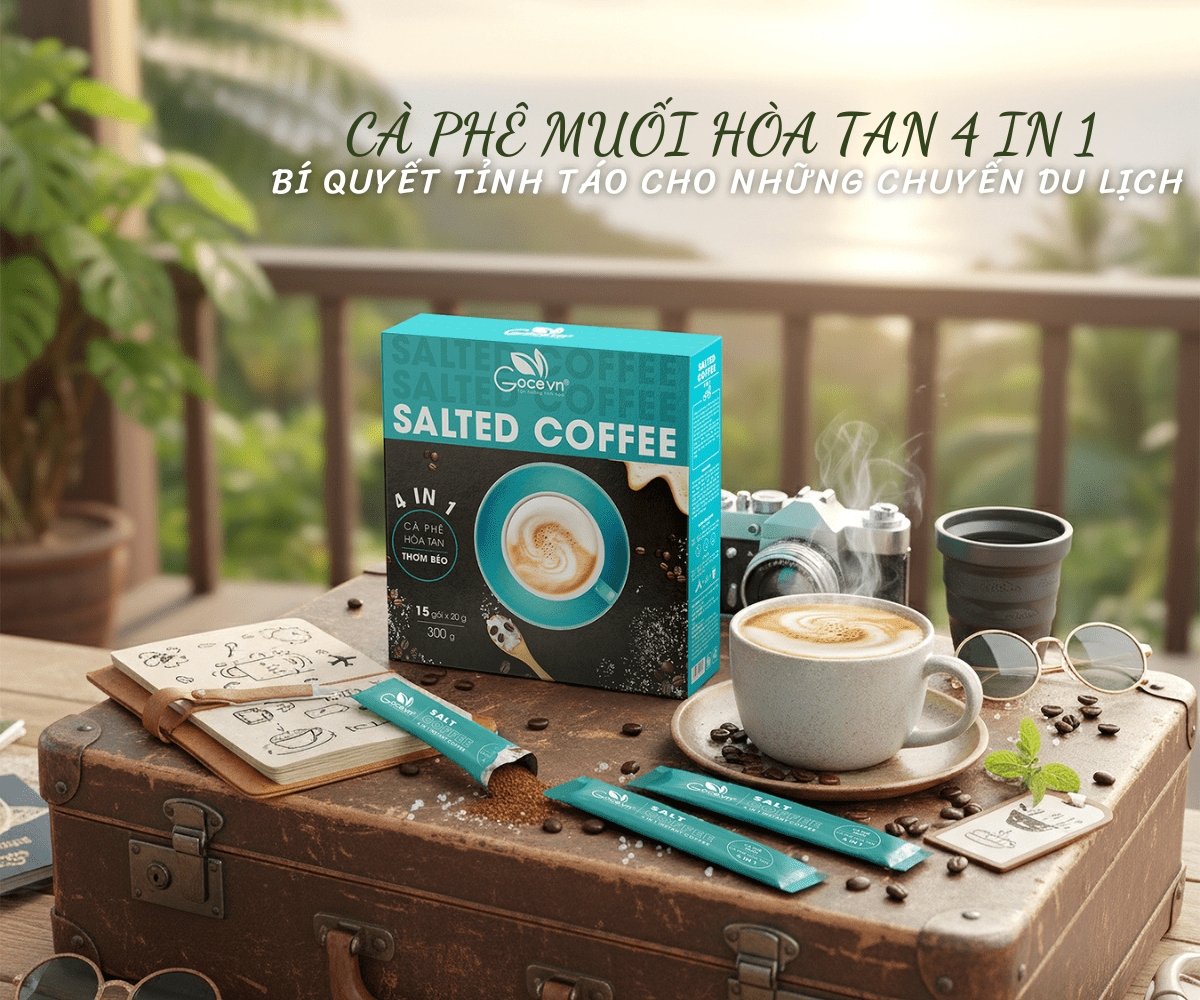
GOCE SALTED INSTANT COFFEE 4 IN 1 THE SECRET TO STAYING ALERT ON EVERY TRIP
The difference between popular coffee beans at present: Arabica,Robusta,Culi,Moka Culi and moka.
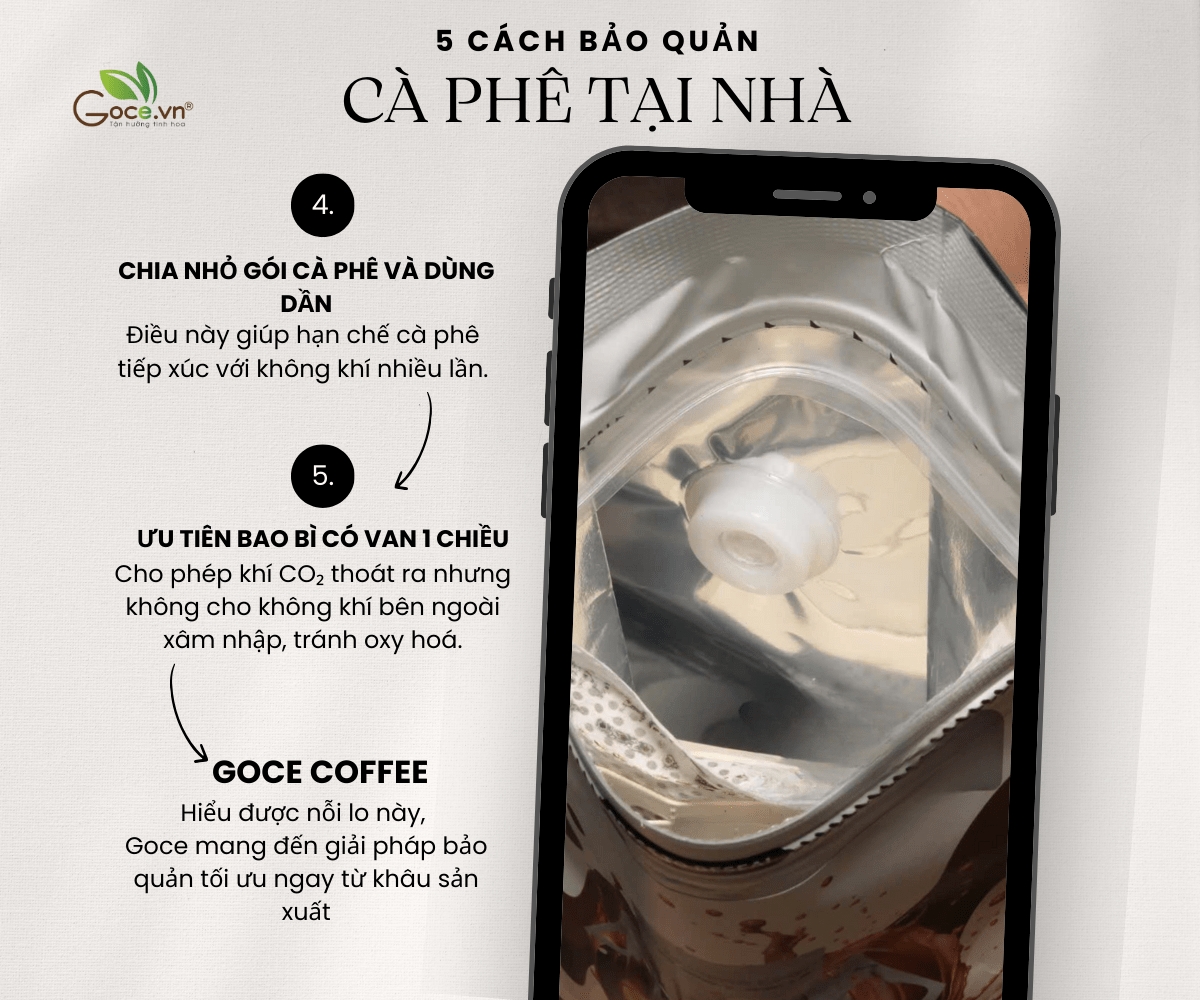
How to Preserve Ground Coffee to Keep Its Original Flavor
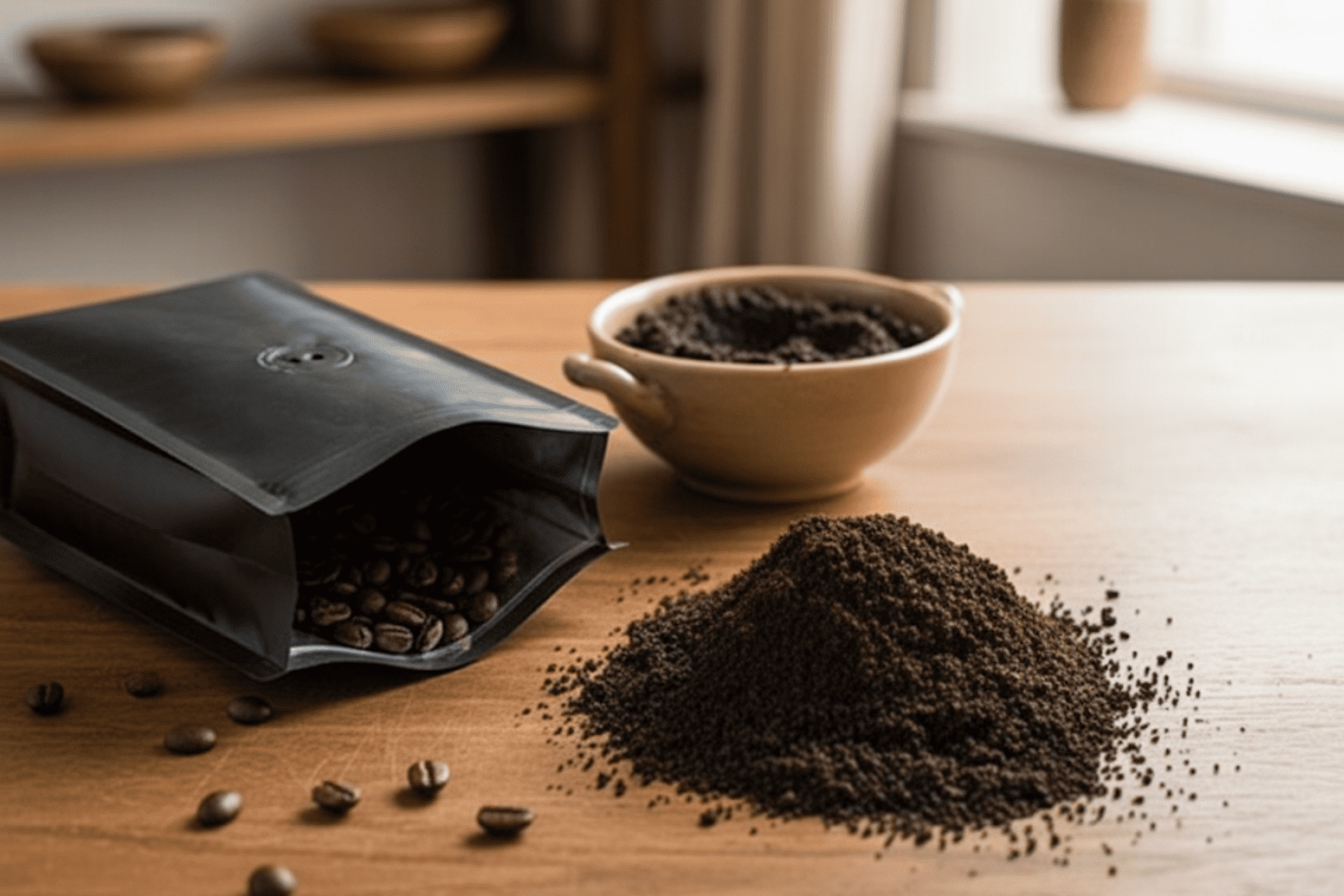
WHAT ARE COFFEE GROUNDS? 5 SIMPLE TIPS TO USE COFFEE GROUNDS AT HOME
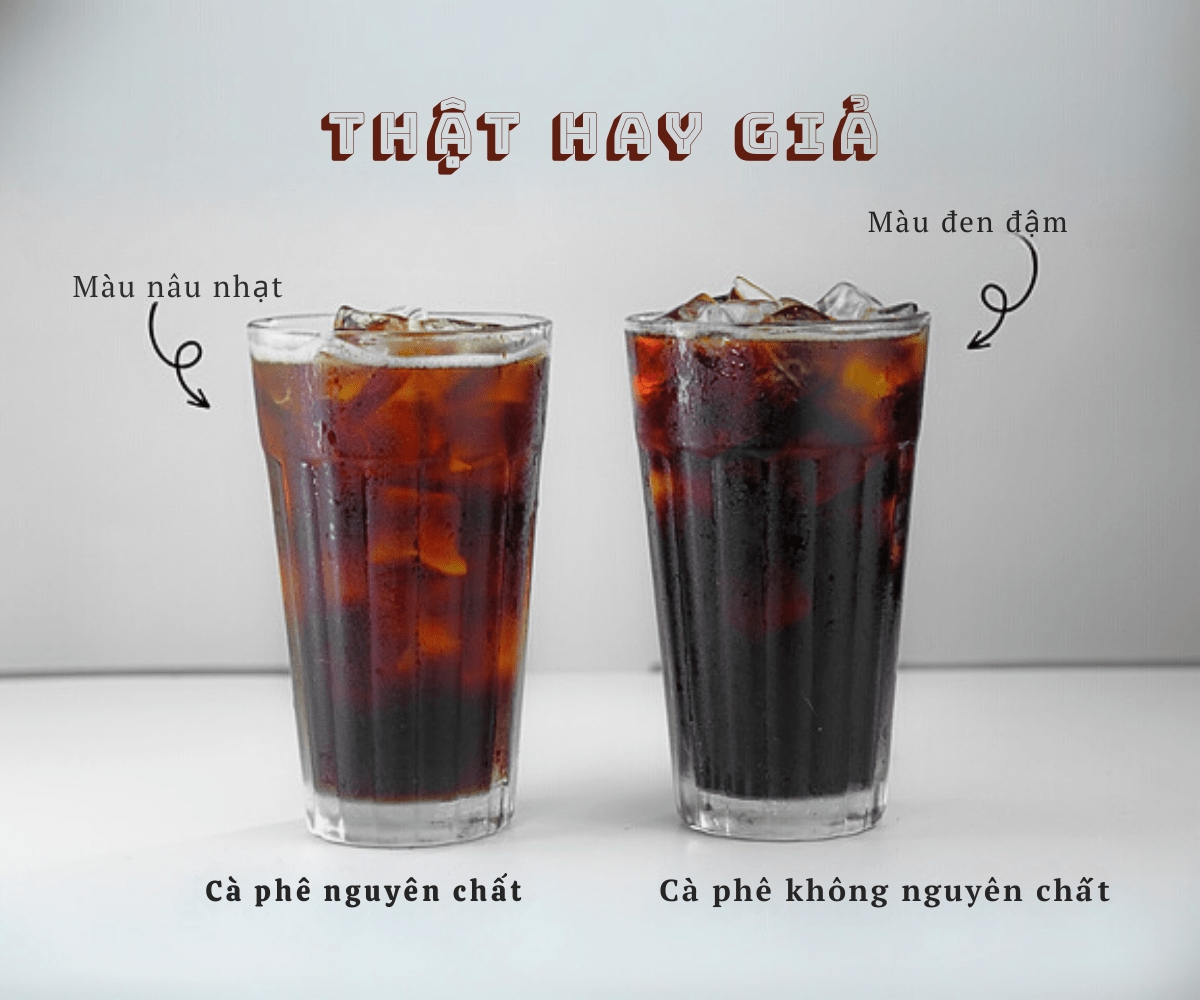
Pure Roasted Coffee – 5 Secrets to Identify Real Coffee vs. Adulterated Coffee

The Benefits of Black Coffee – A Healthy Beverage
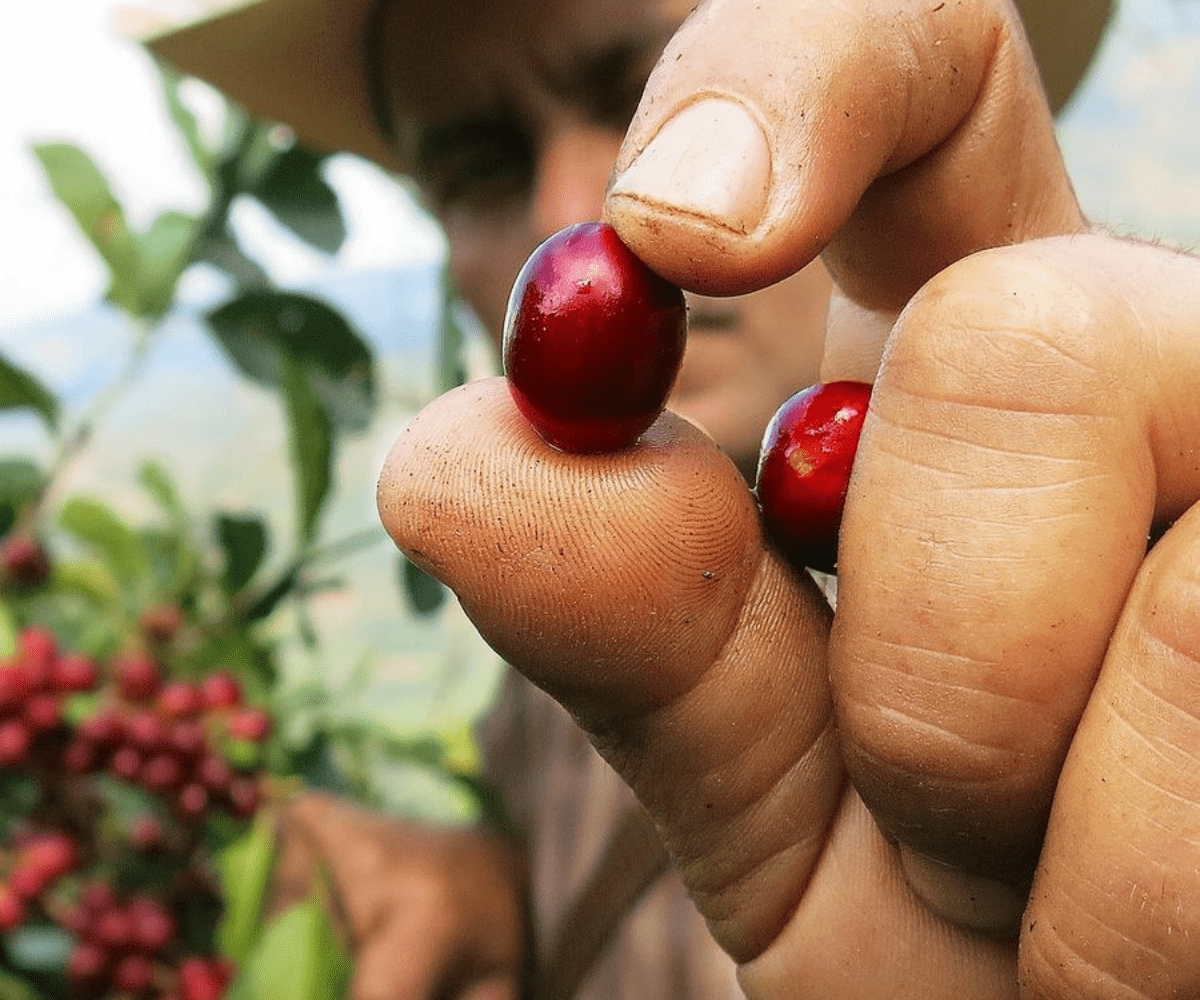
Coffee Prices Today, September 23: Robusta Surpasses 4,280 USD/Ton, Market Heats Up
Rising Coffee Prices How Does It Affect the Morning Cup of Coffee for Vietnamese People?
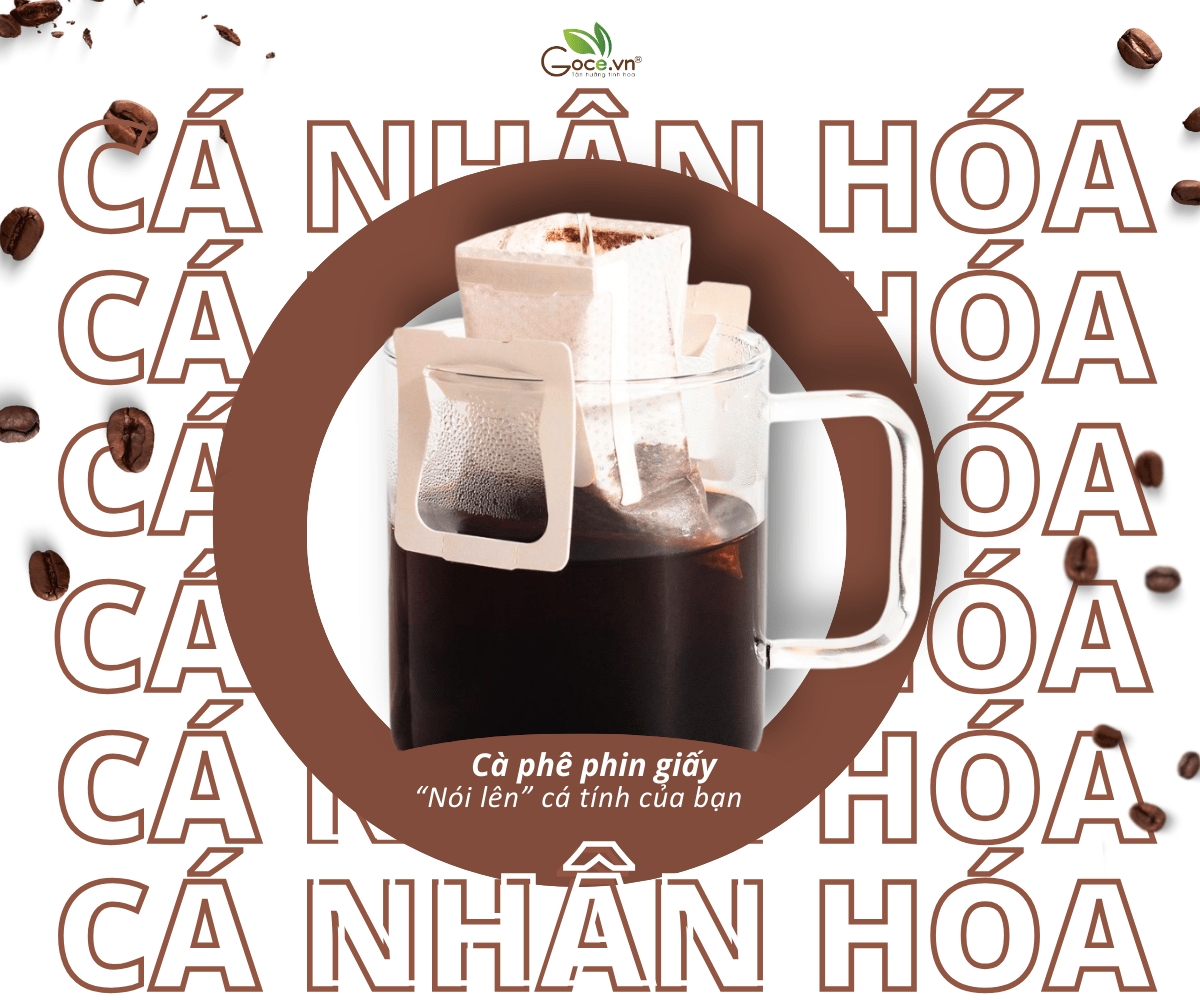
Drip Bag Coffee: The Future of Personalization in Every Small Pack

Goce Drip Bag Coffee – When Every Little Pouch Wraps Your Lifestyle

4 Key Factors Influencing Coffee Production Costs
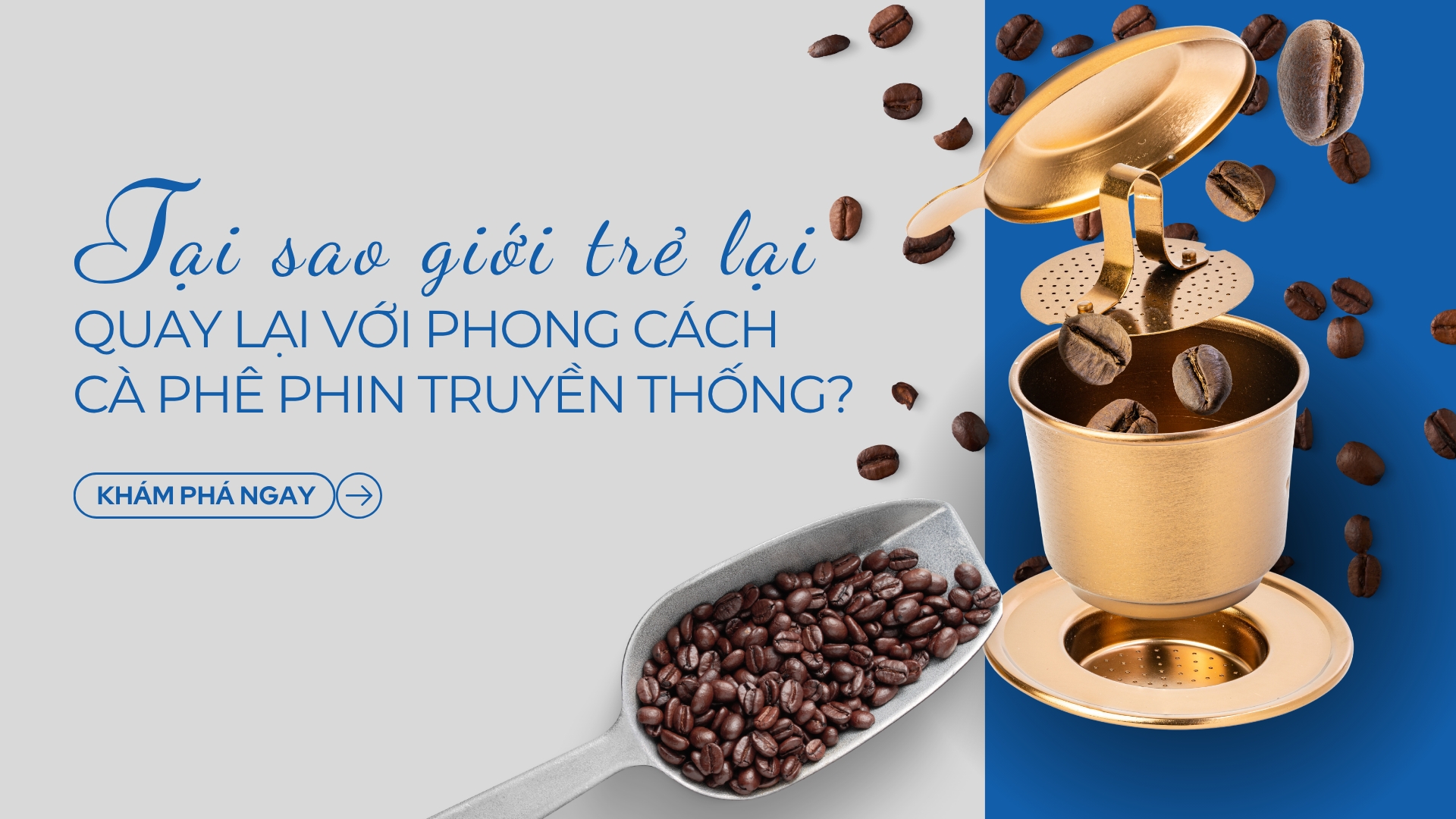
WHY ARE YOUNG PEOPLE RETURNING TO TRADITIONAL VIETNAMESE PHIN COFFEE?

Discover Vietnam’s Coffee Harvest Season: The Golden Time for Bean Quality

How Many Types of Coffee Are There in Vietnam? Where Are They Grown Mostly?

What Benefits Does Drinking Pure Coffee Provide To The Body?
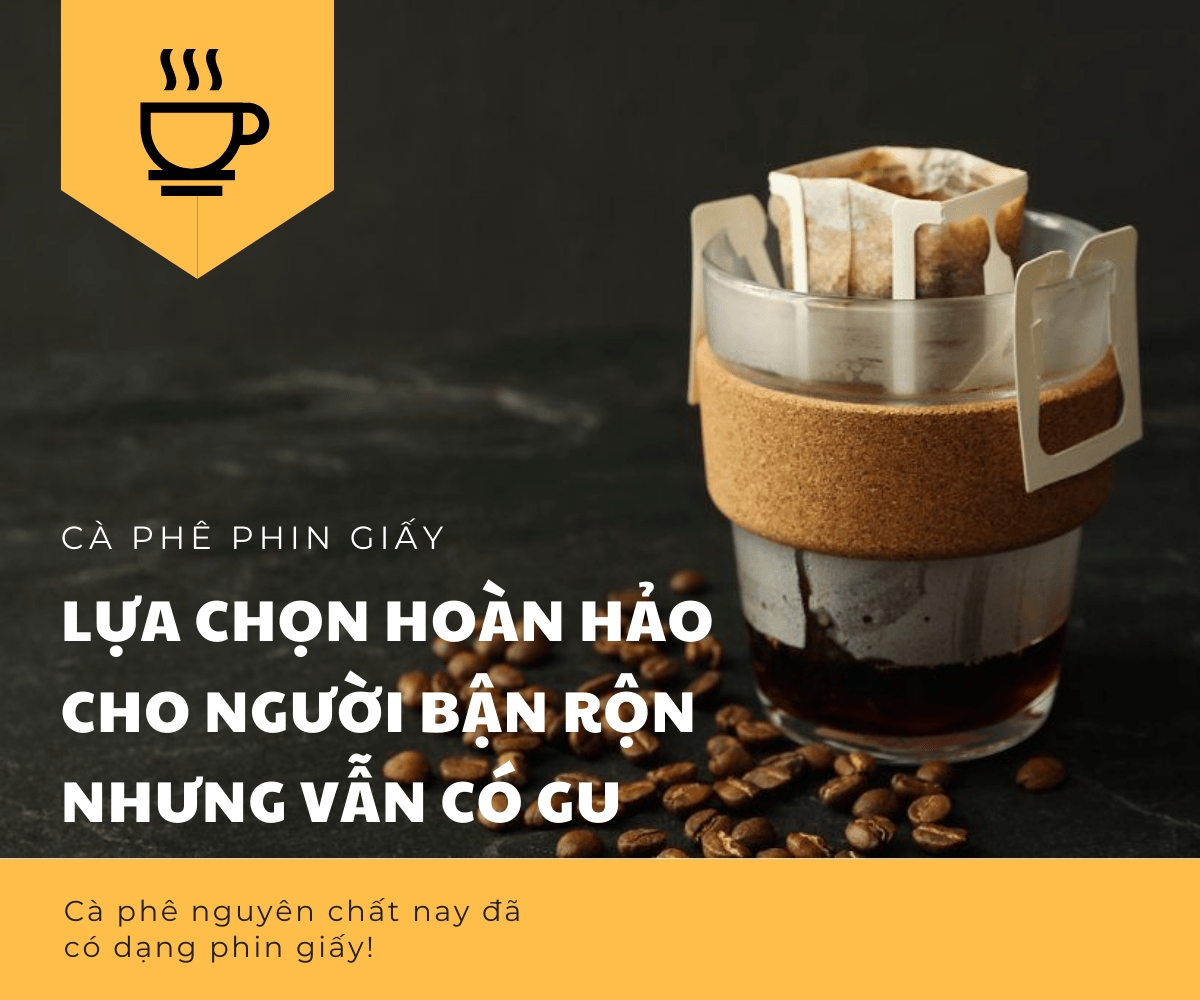
Drip Bag Coffee – The Perfect Choice for Busy People with Refined Taste

From Seed to Cup The Journey of a Delicious Coffee

The 5 countries that produce the most coffee in 2023-2024 season

Does Arabica or Robusta Coffee Have More Caffeine?

How many people know 9 unique benefits of coffee?

What is Latte? Learn About The Type Of Coffee That Is Loved Around The World

What is Latte? Learn About The Type Of Coffee That Is Loved Around The World

What is Latte? Learn About The Type Of Coffee That Is Loved Around The World

What is Latte? Learn About The Type Of Coffee That Is Loved Around The World

What is Latte? Learn About The Type Of Coffee That Is Loved Around The World


