



Is Insomnia Caused by Coffee or These Everyday Habits?
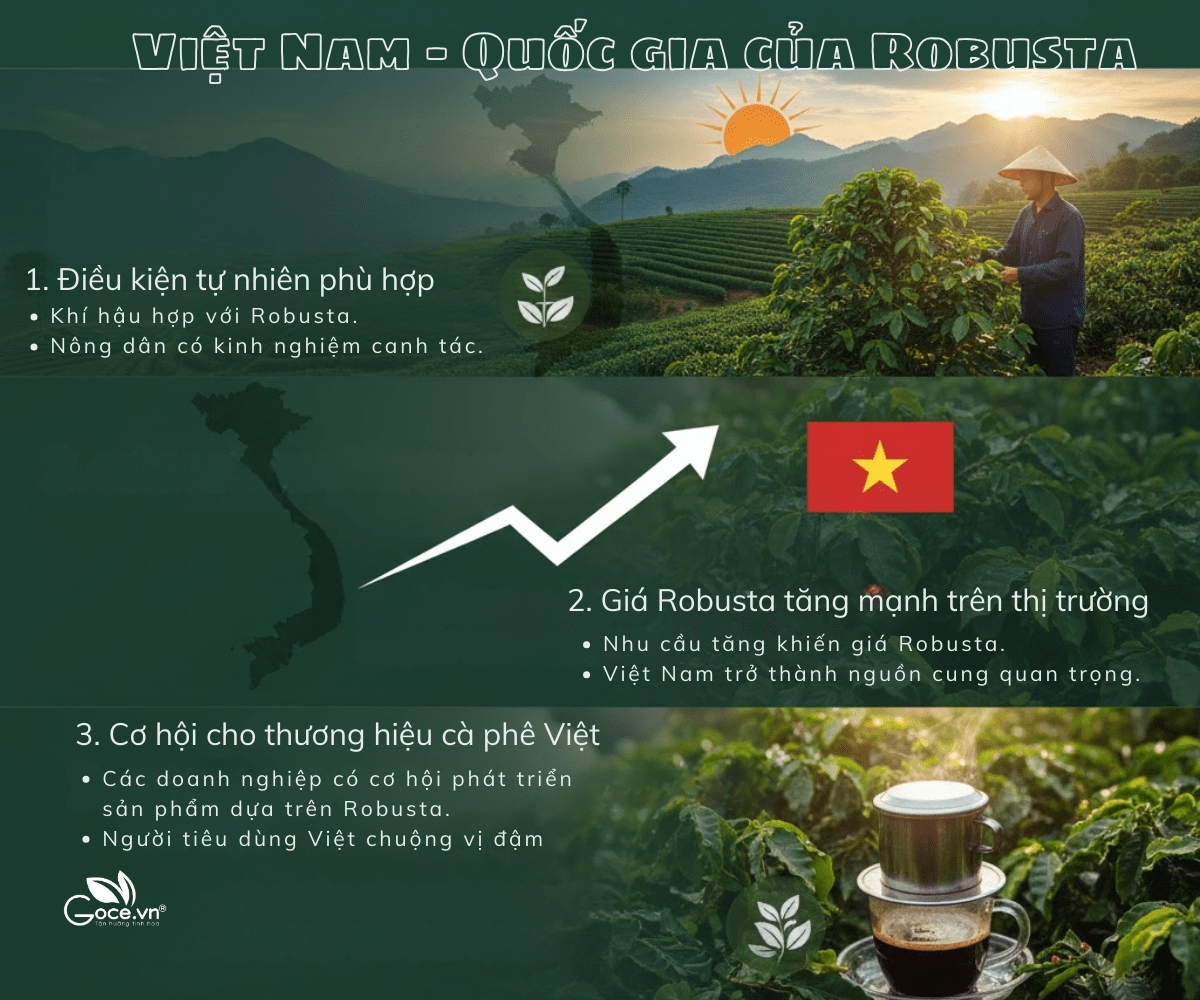
Why Robusta Coffee Is Becoming a Global Trend in the Era of Climate Change
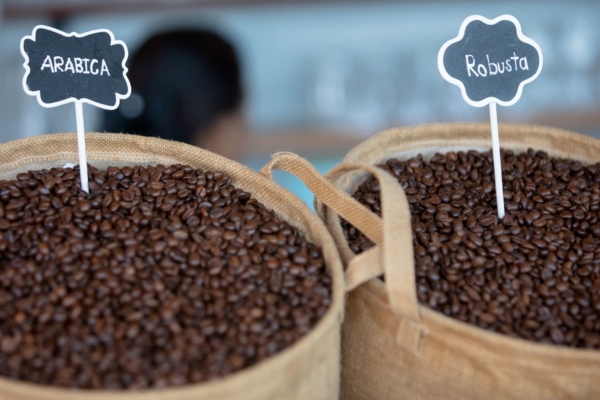
The difference between Arabica and Robusta coffee: the secret of choosing high-quality coffee
Paper Drip Coffee for the Office: A Convenient Choice for the Modern Workday
How Ground Coffee Differs from Coffee Beans: A Guide for Lovers of Pure Flavor

What is Latte? Learn About The Type Of Coffee That Is Loved Around The World


6 Common Coffee Pests and Diseases and Effective Control Methods

Coffee is a key crop in Vietnam, especially in the Central Highlands. However, along with climate change and prolonged intensive farming, coffee pests and diseases are increasingly prevalent, causing serious damage to yield and quality. Statistics show that pests and diseases can reduce coffee production by 20-30% annually, and even up to 50% if not controlled promptly.
In actual production, six of the most common pests and diseases account for up to 90% of total losses in Robusta and Arabica coffee plantations. Early identification and proper control will help farmers save costs, protect their plantations, and stabilize yields in the long term.
.png)
Coffee Rust Disease
Coffee rust disease is caused by the fungus Hemileia vastatrix and usually flares up strongly during the rainy season, when humidity is high and temperatures fluctuate between 21-25°C. The most easily recognizable sign is the appearance of orange-yellow spots on the underside of the leaves, accompanied by a light orange powdery coating. When the disease is severe, leaves fall off in large numbers, weakening the plant and reducing its ability to bear fruit.
Control methods: Prune branches to improve air circulation, manage shade trees properly, apply balanced fertilizers (especially potassium and calcium), and spray anti-rust pesticides at the right time before and during the rainy season.
.png)
Coffee berry borer
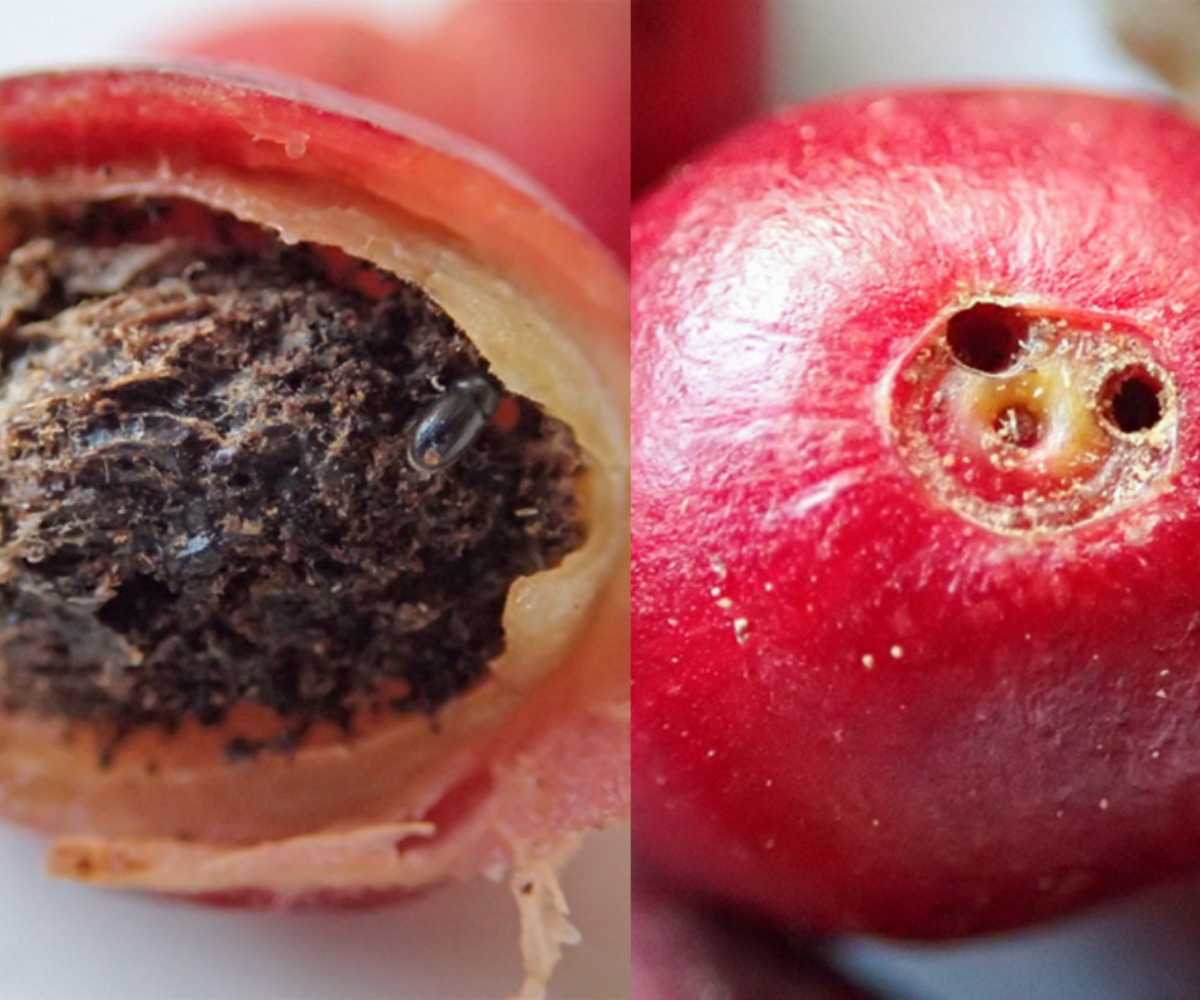
The coffee berry borer (Hypothenemus hampei) is a pest that directly damages the beans – the most valuable part of the coffee plant. They bore into the fruit when it begins to ripen, leaving a small hole at the top. Inside, the larvae eat the seeds, causing them to turn black, become spongy, and significantly reduce their quality.
Control methods: Harvest cleanly, do not leave ripe fruit on the tree, collect fallen fruit at the base of the tree, use insect traps, and combine with specific pesticides when the pest density is high.
Coffee stem borer
The stem borer attacks silently but causes long-term consequences. They bore into the trunk and main branches, disrupting nutrient transport and causing the branches to wilt, break, or gradually die. Many orchards only discover the problem when the trees have become severely weakened.
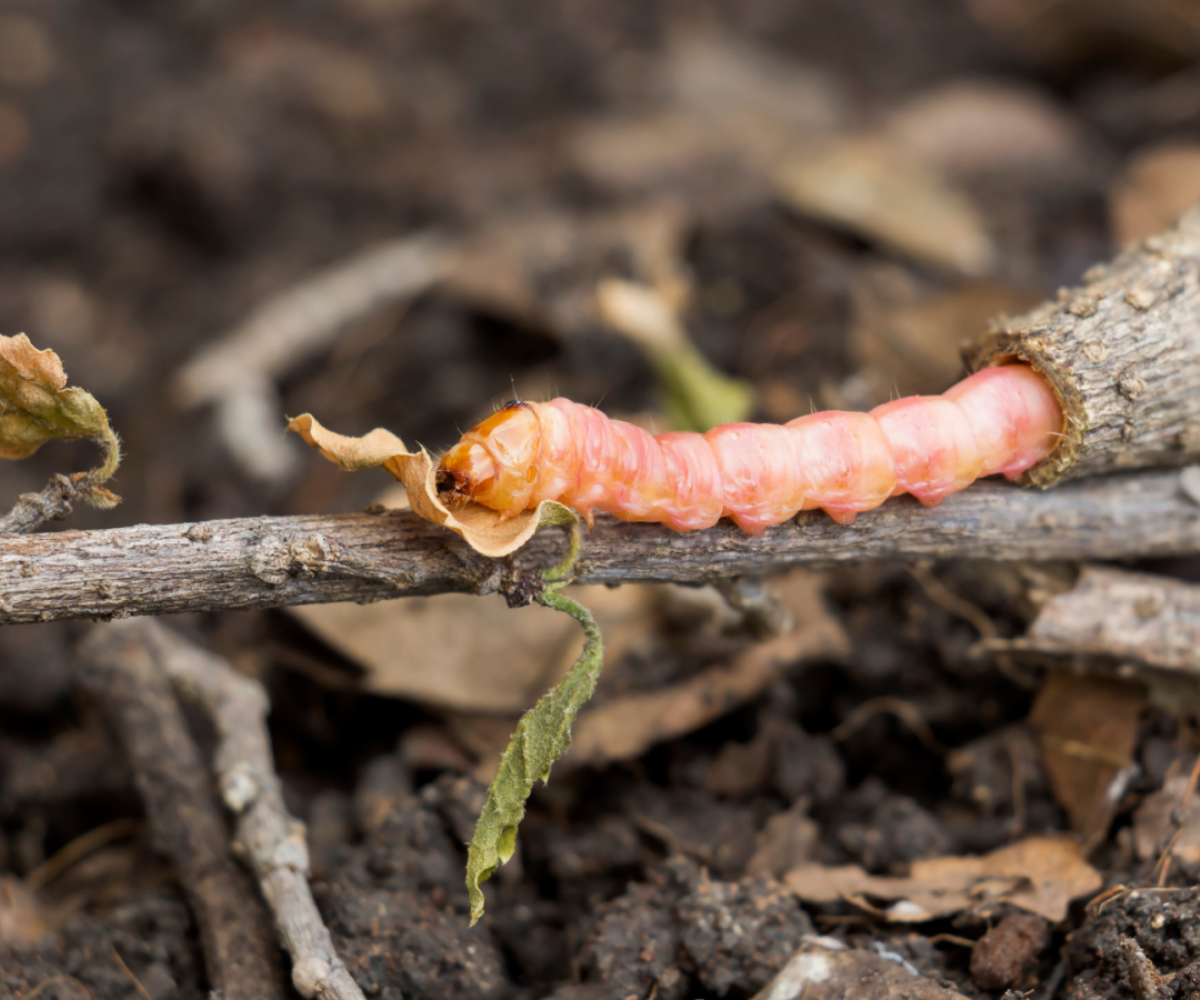
Prevention methods include
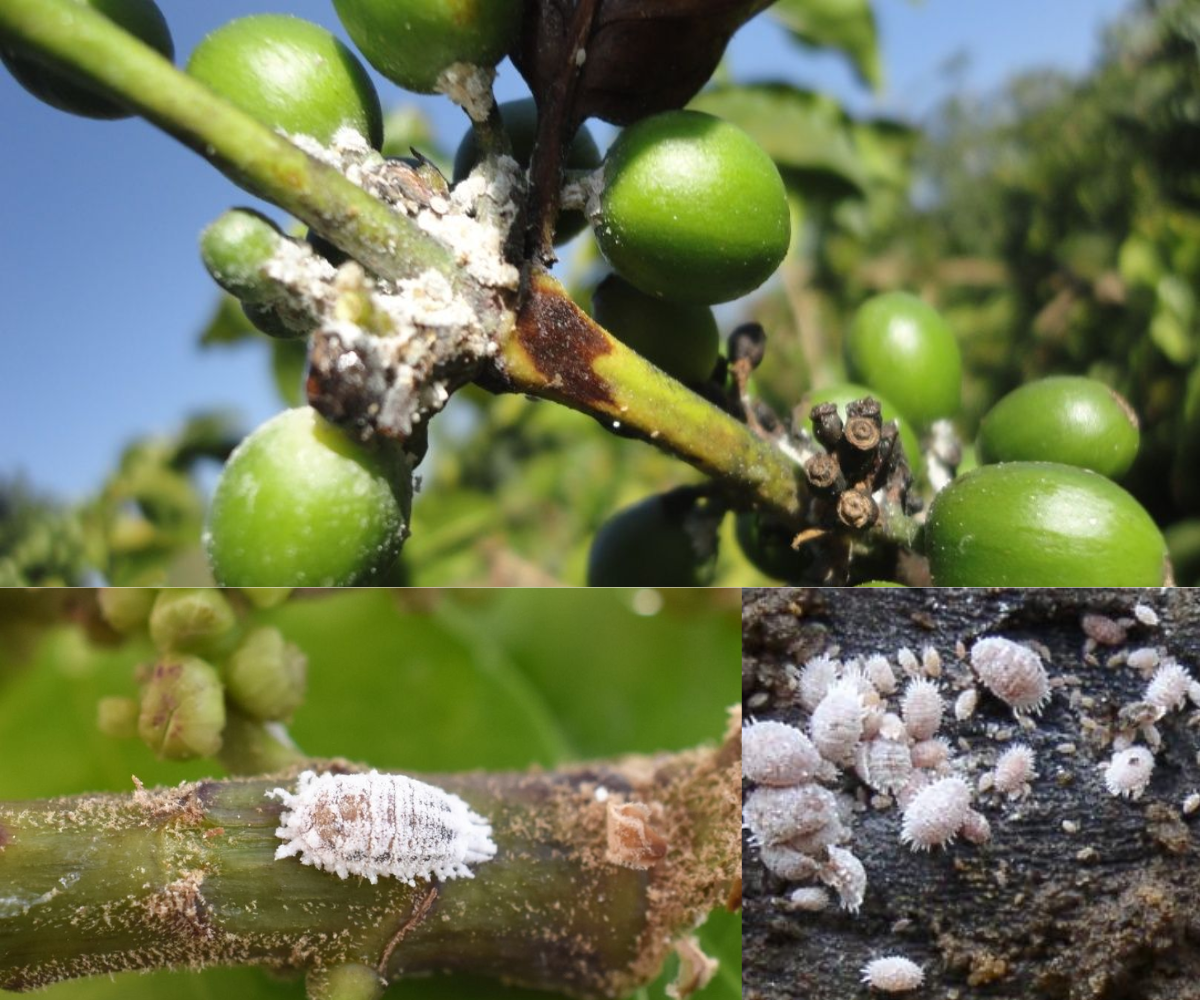
Regularly inspecting the tree trunk, detecting boreholes early, applying pesticides directly to the affected areas, and providing good care to keep the trees healthy and limit pest attacks. Coffee mealybugs: Mealybugs commonly appear on the roots, stems, and fruit clusters, sucking sap and secreting honeydew, creating conditions for sooty mold to develop. Infested plants exhibit poor growth, small, easily falling fruit, and reduced yield.
Control methods: Keep the plantation clean, limit ants (the mealybug's vector), prioritize biological pesticides, and only use chemical pesticides when mealybugs appear in high densities.
Coffee leaf-eating caterpillars
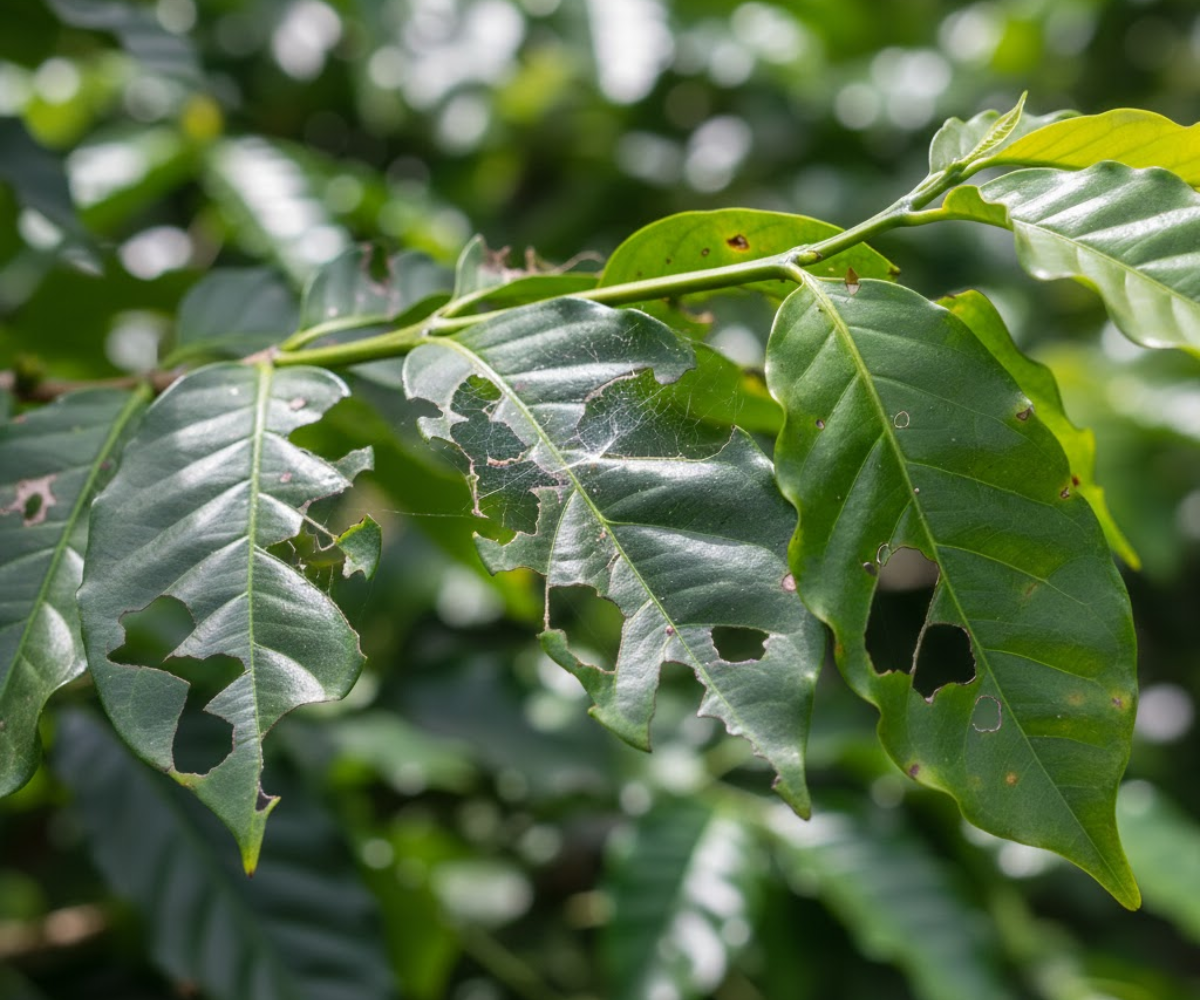
Leaf-eating caterpillars cause significant damage during the rainy season, with young caterpillars stripping the leaves, reducing the plant's photosynthetic capacity. Severe infestations result in slow recovery and affect the next crop. Control methods: Monitor the plantation regularly, preserve natural predators, and only use pesticides when pests are widespread.
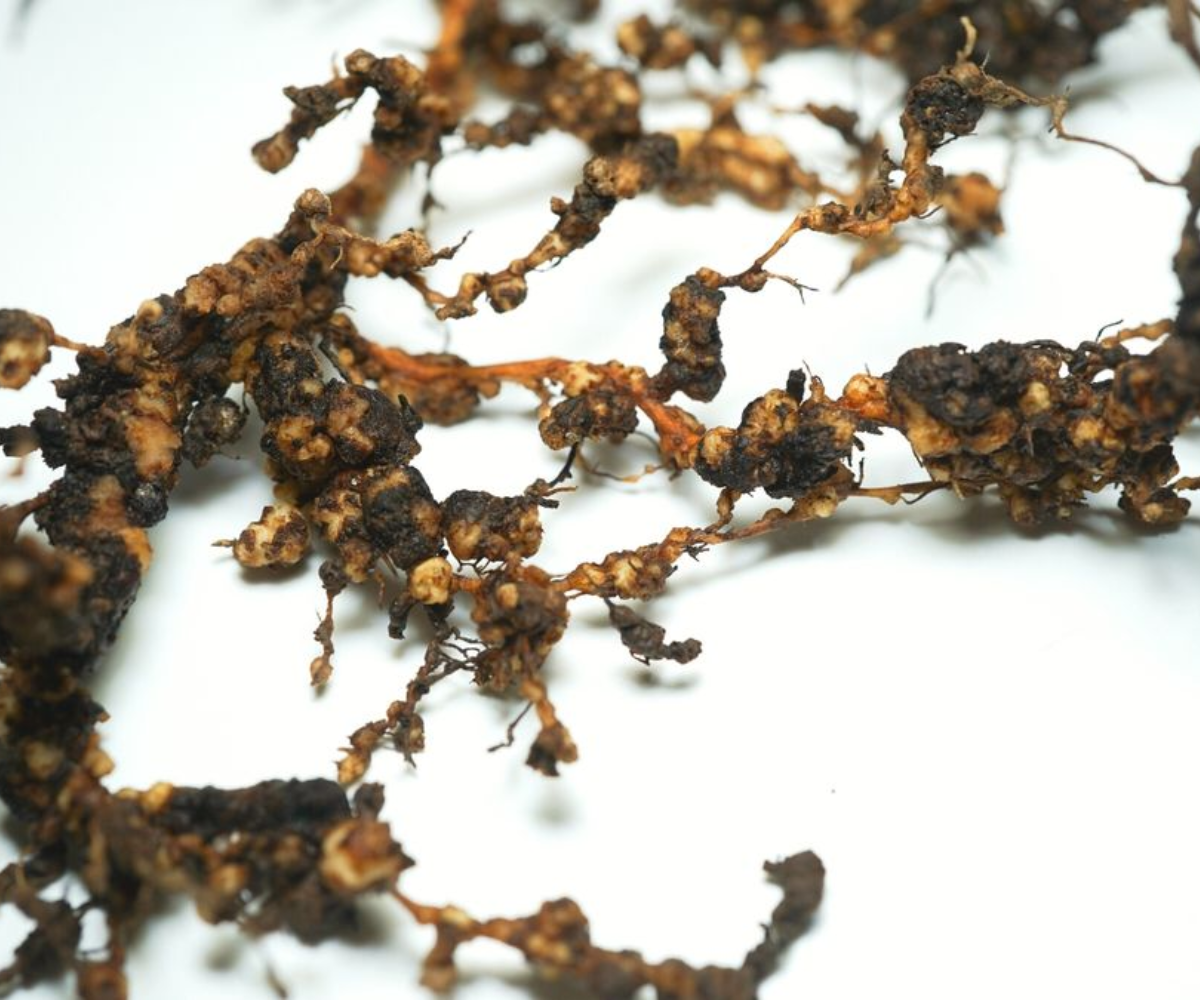
Root-damaging nematodes
Nematodes are difficult to detect because they cause damage underground. They cause root swelling and rot, leading to yellowing leaves, stunted growth, and prolonged yield reduction over many years.
Control methods: Soil improvement, application of lime and well-rotted organic fertilizer, crop rotation, and use of specific nematode control agents according to technical guidelines.
Goce Coffee: Partnering for Sustainable Coffee Values
Coffee quality doesn't just come from the roasting process; it starts with healthy plantations and high-quality coffee beans. Understanding this, Goce Coffee always prioritizes sourcing coffee from well-managed growing regions, with effective pest control and proper harvesting techniques.
Goce Coffee offers a diverse range of products including whole coffee beans, roasted and ground coffee, filter coffee, and convenient coffee options, preserving the original flavor and consistent quality in every cup.
.jpg)
>>> Order now: Goce Coffee for free consultation and special offers today.
Coffee pests and diseases are an unavoidable challenge in cultivation, but they can be effectively controlled if identified early and treated correctly. The six common pest and disease groups listed above are the biggest causes of yield losses today. A rational combination of farming practices, garden sanitation, proactive prevention, and timely pesticide application will help coffee growers reduce costs, protect healthy plants, and stabilize yields in the long term.
GOODPRICE VIETNAM TRADING AND SERVICE COMPANY LIMITED
Email: sales@goodprice.vn
Facebook: Goce Vietnam
Phone: 0906368199 - 0916112833
Hotline: 1900636299
Other News

What Is Vietnamese Salt Coffee — and Why Is the Internet Obsessed?

Gentlemen Coffee – The Taste of a Man Who Doesn’t Need to Prove Himself

If a Cup of Coffee Had a Personality, Ladies Coffee Would Be This Girl

Is It Good for Women to Drink Coffee Every Day?

Is It Good to Drink Instant Coffee Every Day? Everything You Need to Know

Black Coffee and Insulin: What You Should Know

Does Black Coffee Contain Calories? What People Trying to Lose Weight Should Know
Is Insomnia Caused by Coffee or These Everyday Habits?

Does Coffee for Women Cause Insomnia? 5 Things You Should Know

Why Does Brewed Coffee Lose Its Aroma So Quickly? Tips to Keep It Fresh Longer

How to Store Brewed Coffee Properly to Preserve Its Flavor

Salted Coffee and the Story of Calories in the New Drinking Trend

How Many Calories Are in Salt Coffee? Will It Make You Gain Weight?

Review of Paper Filter Coffee Flavor, Convenience, and Real Experience
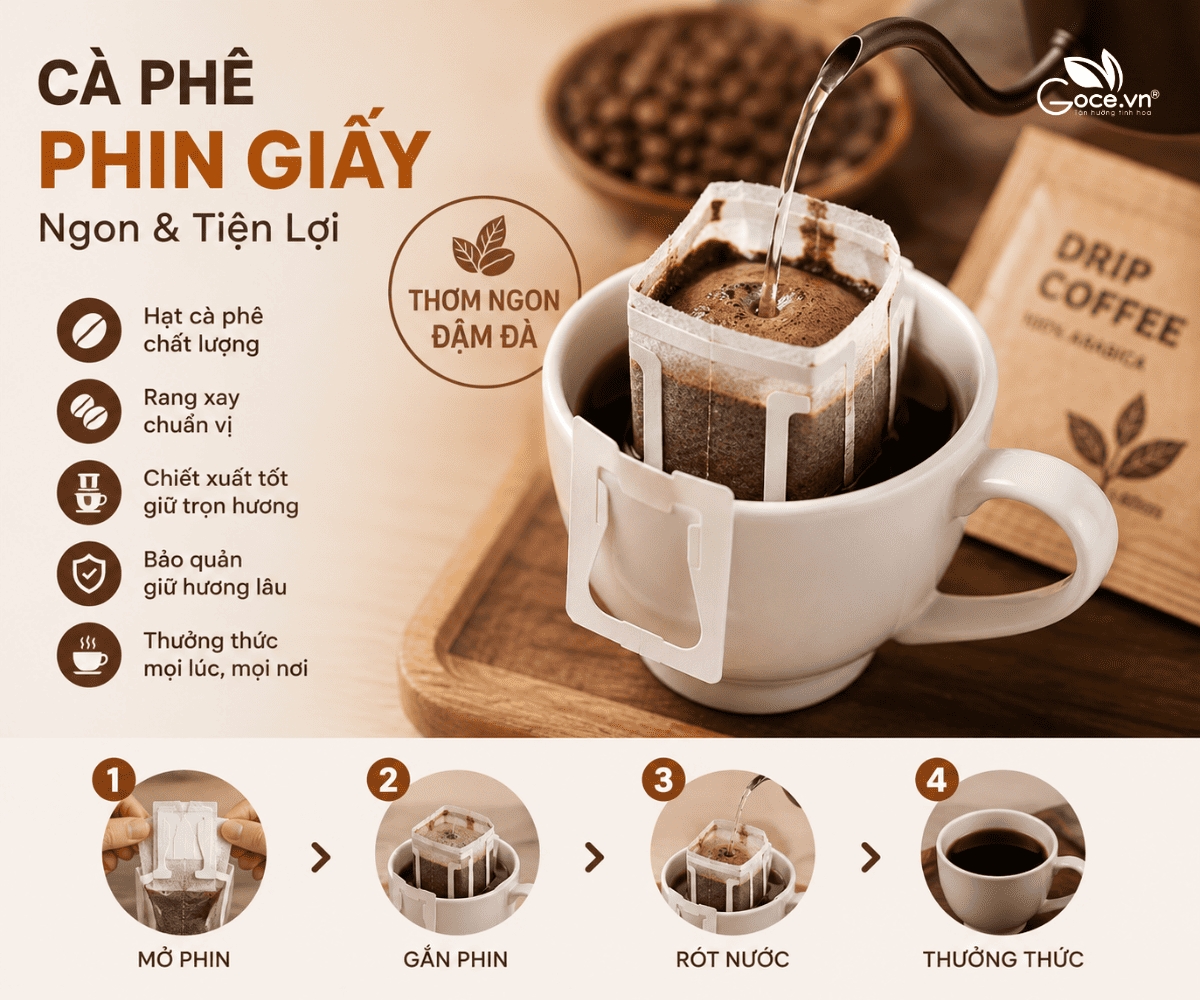
Is Paper Filter Coffee Good? Discover the Authentic Vietnamese Coffee Flavor

5 Ways to Reduce Coffee Side Effects and Enjoy It More Safely

7 Reasons Why Drip Bag Coffee Is the Ideal Choice for Offices
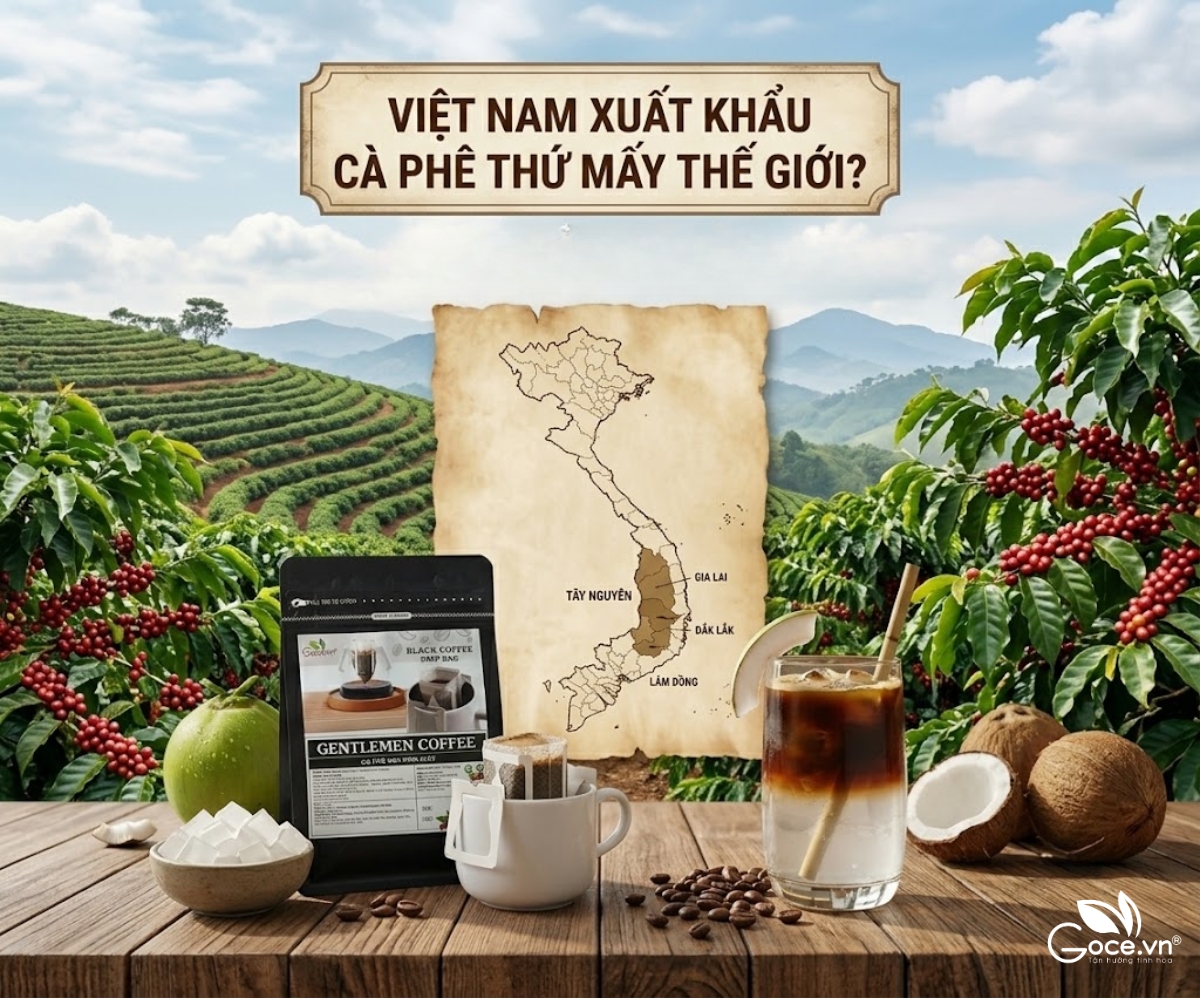
Vietnam: The World's Coffee Powerhouse Hidden in Every Morning Cup
Paper Drip Coffee for the Office: A Convenient Choice for the Modern Workday
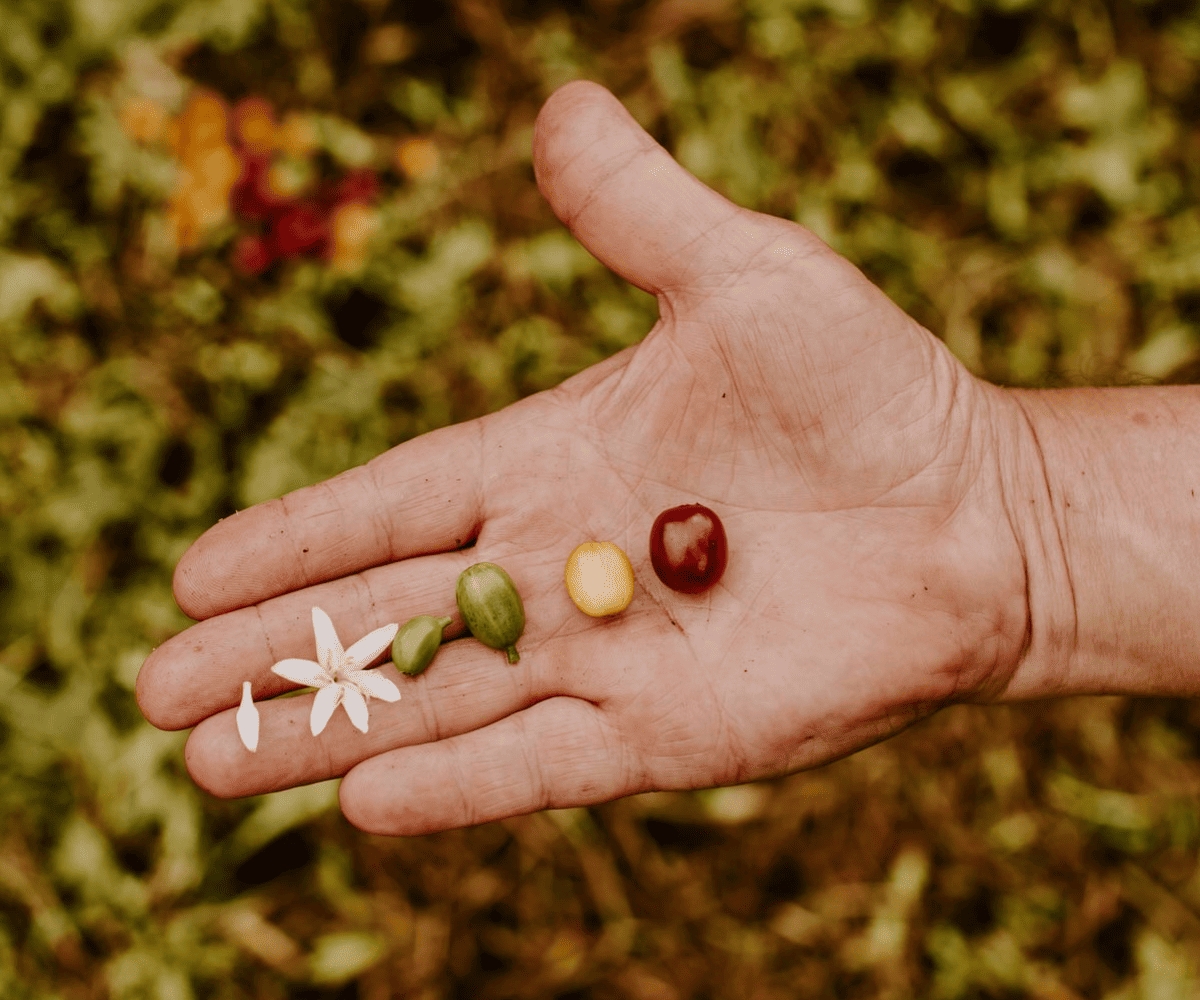
Vietnam Coffee Harvest Season When Is Harvested?

Does Drinking Coffee Cause Acne? The Truth Many People Misunderstand

Coconut Coffee: A “2-in-1” Summer Drink That Boosts Energy and Replenishes Electrolytes

How to Choose Delicious and Easy-to-Drink Instant Coffee

What Type of Coffee Do Many Women Prefer Today?

Does Drinking Coffee Increase Blood Pressure?

Can People with Diabetes Drink Coffee?

Easy-to-Drink and Less Bitter Coffee for Women Loved Today

Which Drip Bag Coffee Tastes as Bold as Café-Style Brew?

Instant Salt Coffee for Busy Lifestyles

How to Make Lemon Coffee – Refreshing, Flavorful & Awakening All Your Senses

4 Powerful Ingredients to Add to Coffee for Effective Fat Burning

How Many Calories Are in a Cup of Black Coffee? A Detailed Guide & Healthy Choice Tips

How Many Calories Are in Coffee? A Guide to Coffee Calories and Healthier Choices

Where to Buy Pure Coffee Without Being Misled

Coffee and a Racing Heart: 7 Frequently Asked Questions Answered in Detail

Why Does Coffee Make Your Heart Race? Causes and What to Do

Is It True That Pure Coffee Isn’t Fragrant?

Milk Coffee: Understanding It Right for Better Taste and Health

Milk Coffee: Benefits, Effects, and Important Notes When Enjoying It

Drinking Morning Coffee but Still Getting Stomach Pain? Here Are 5 Things You Should Change Immediately

How to Drink Coffee Without Tossing and Turning Until Midnight

Trying Salt Coffee for the First Time? 5 Things You Should Know Before Drinking
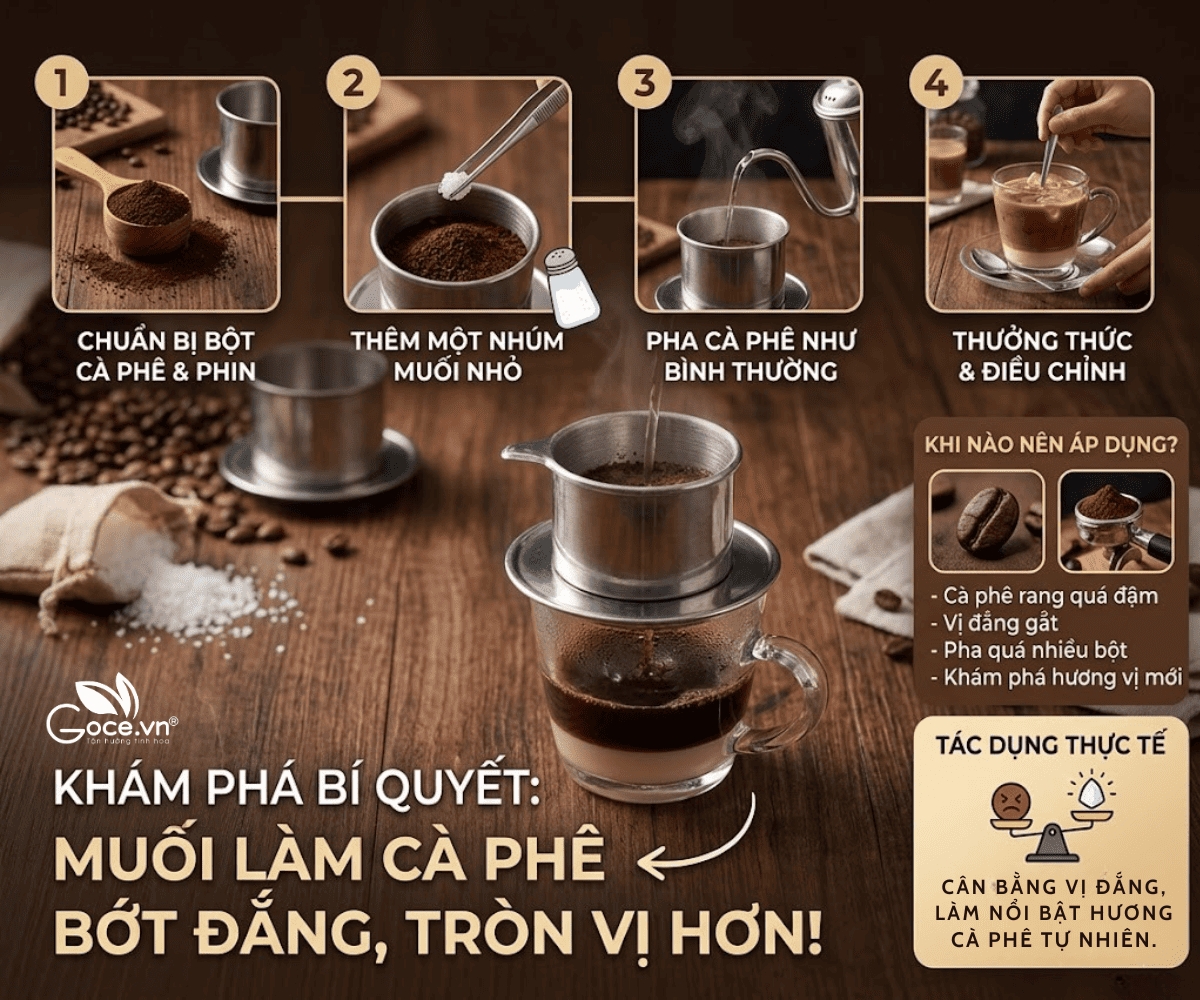
What Does Adding Salt to Coffee Do? A Small Trick for a More Balanced Cup

What Happens When You Add Salt to Coffee? A Little-Known Secret

How to Drink Salt Coffee Properly for Both Great Taste and Better Health

What Is Salt Coffee? Why You Should Try It at Least Once
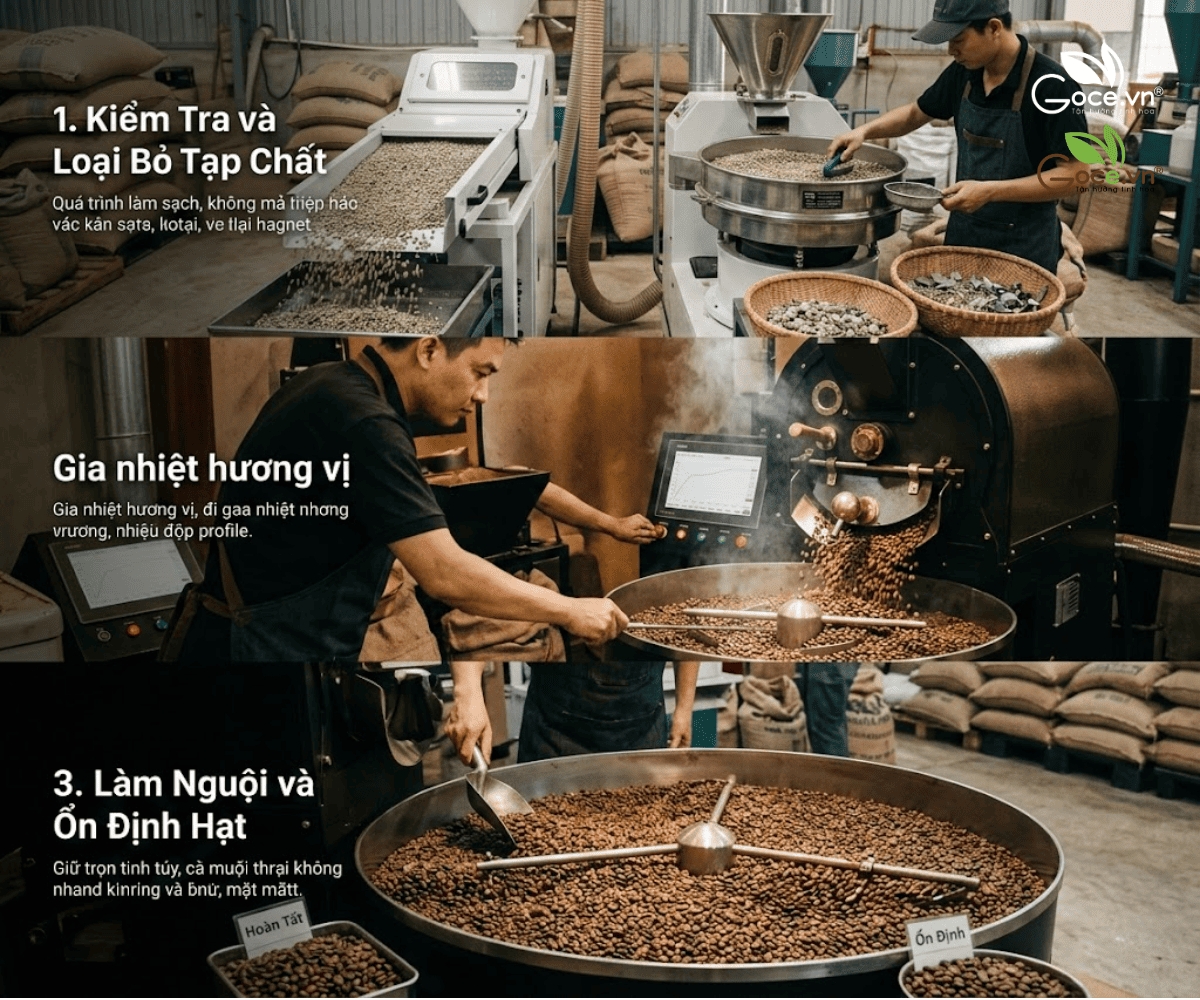
How Does the HACCP Coffee Production Process Work?

How Long Can Brewed Coffee Last? Proper Storage Tips

How Long After Taking Medicine Can You Drink Coffee?

Why Great Ideas Often Appear When You’re Drinking Coffee

Vietnam’s Coffee Exports Surpass $1 Billion in Early 2026 A Strong Start Amid Falling Prices

Coffee and Depression: The Surprising Link Science Is Gradually Uncovering

Why Is Coffee Bitter? The 3 Types of Bitterness Every Coffee Drinker Should Know

Drinking Coffee Daily Training the Brain or Creating Dependence?

Why Robusta Is Better Suited to Vietnam’s Climate Than Arabica

Paper Drip Coffee Not Everyone Has 10 - 15 Minutes to Sit and Wait for a Phin

Paper Drip Coffee The Real Issue for Phin Coffee Drinkers Is Not the Coffee

Coffee and Parkinson’s Disease: Effective for Prevention, but Caution Is Needed for Patients

The Secret to Longevity Through Coffee Drinking

Drinking Coffee on an Empty Stomach: A Dangerous Habit You Should Quit Immediately

Black Coffee: A Scientifically Proven Natural Weapon Against Fatty Liver Disease

Vietnamese Coffee Shines on the Southeast Asian Culinary Map

How to Drink Coffee for Better Health? A Scientific Perspective

Is Honey in Coffee Really Better Than White Sugar?

Honey in Coffee vs White Sugar: What’s the Difference?

Should You Drink Coffee Before Going to the Gym?

How to Make the Perfect Plant-Based Butter Coffee

Secrets to Rapid Coffee Tree Recovery & High Yields After Harvest

How to Make Simple and Nutritious Avocado Coffee at Home

How to Make Delicious Vietnamese Egg Coffee at Home

Coffee That’s Good for the Liver: The Secret to Drinking It the Right Way Every Day

How to Store Paper Drip Coffee Properly to Preserve Its Full Flavor

How to Brew Perfect Paper Drip Coffee at Home Simple and Authentic

Paper Drip Coffee: A Convenient Coffee Trend Among Young Consumers

How Is Salt Coffee Different from Milk Coffee? A Flavor Experience Comparison

Why Is Salt Coffee Easier to Drink Than Traditional Coffee?

What Does Salt Coffee Taste Like? A Surprisingly Pleasant Experience
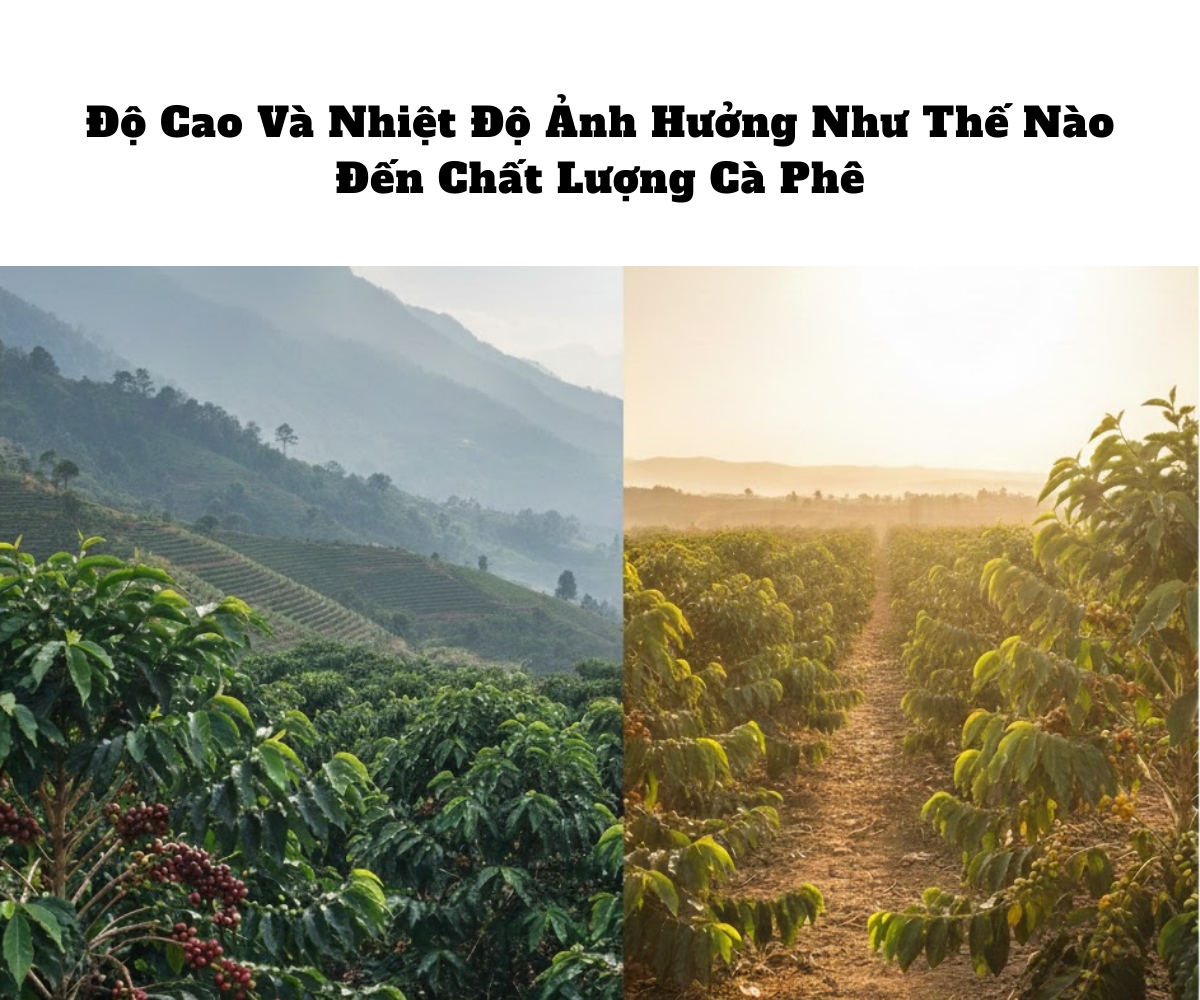
How Do Altitude and Temperature Affect Coffee Quality?
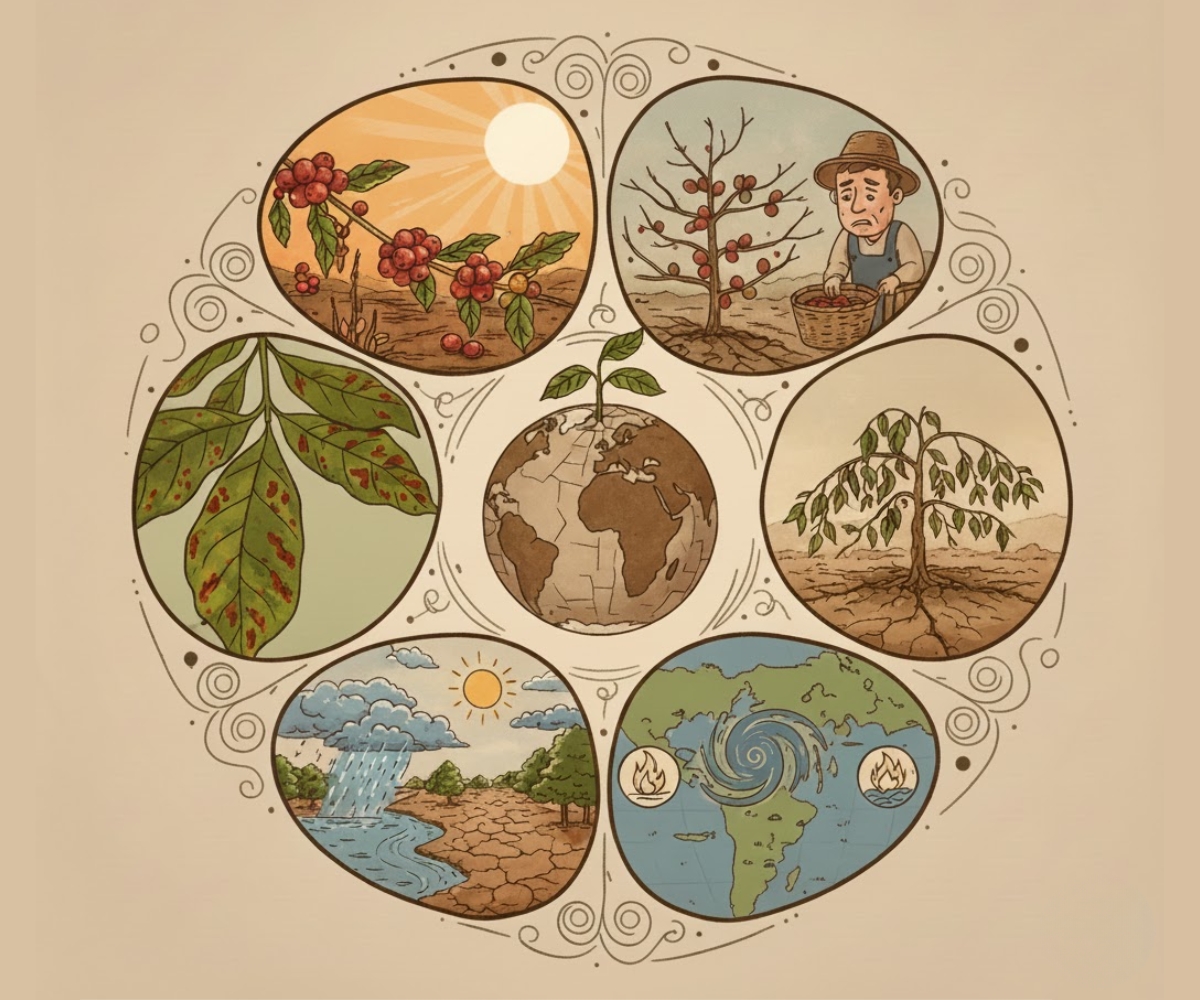
6 Things About Climate Change Threatening the Global Coffee

The Golden Hour for Drinking Coffee to Stay Alert All Day
Why Robusta Coffee Is Becoming a Global Trend in the Era of Climate Change
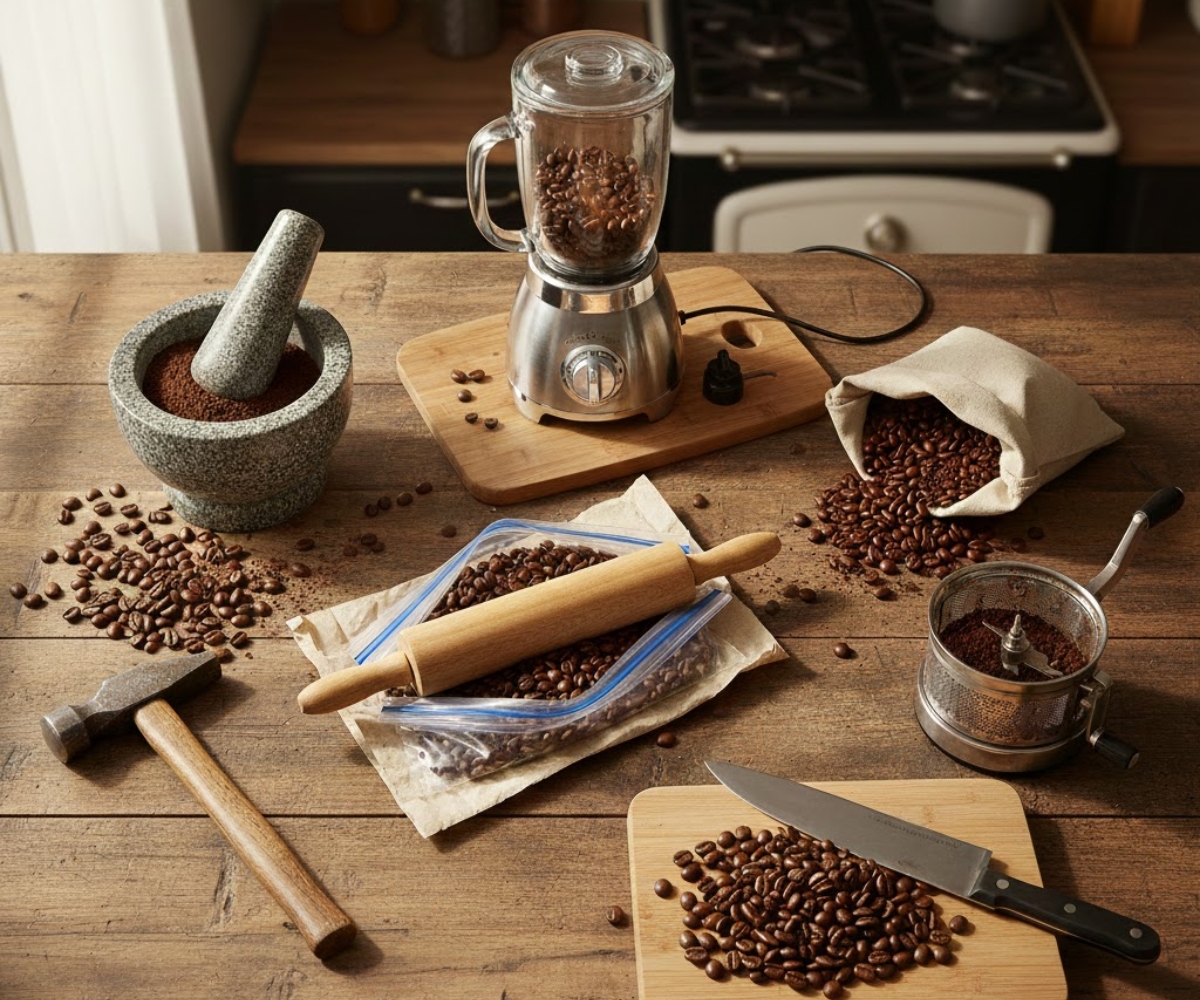
6 Ways to Grind Coffee Beans Without a Grinde

Why does pure coffee taste sour? How to distinguish sour taste you should know

Homemade Orange Coffee: Simple Recipe, Café-Style Delicious

Drinking Coffee Causes Stomach Pain? Causes and Effective Solutions

Instant Coffee: 7 Unexpected Benefits and Facts You Need to Know

Black Coffee: A Smart Choice for Gen Z in the Age of Healthy Living
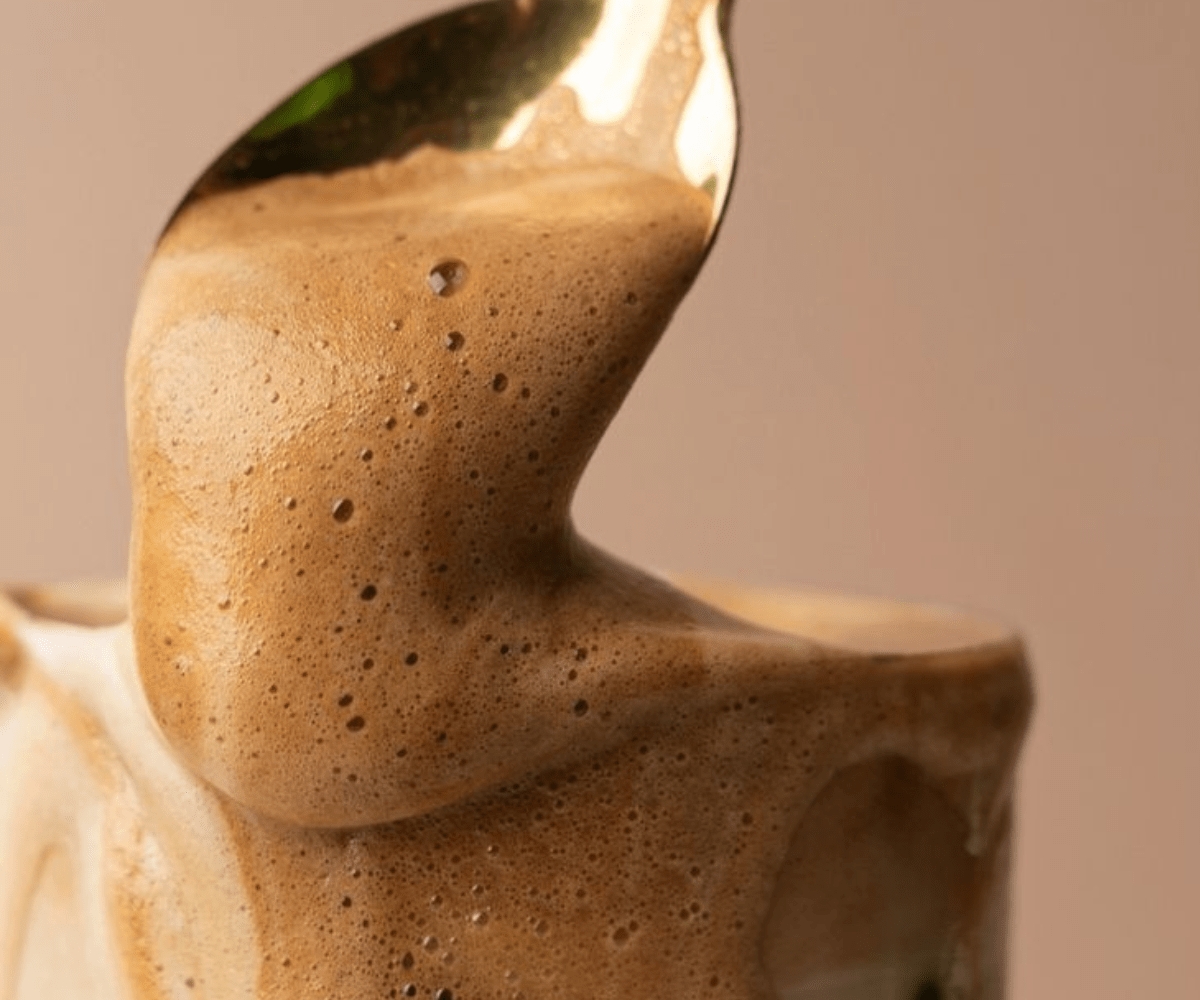
3 Steps to Make Salt Coffee at Home Café-Quality Taste in Minutes

How Are Instant Coffee and Drip Bag Coffee Different?
How Ground Coffee Differs from Coffee Beans: A Guide for Lovers of Pure Flavor
Coffee bean lovers are people who love meticulousness in every moment of life

Instant coffee trend in the modern lifestyle of young people

Coffee for Women The Convenient Choice for the Right Taste and Morning Energy
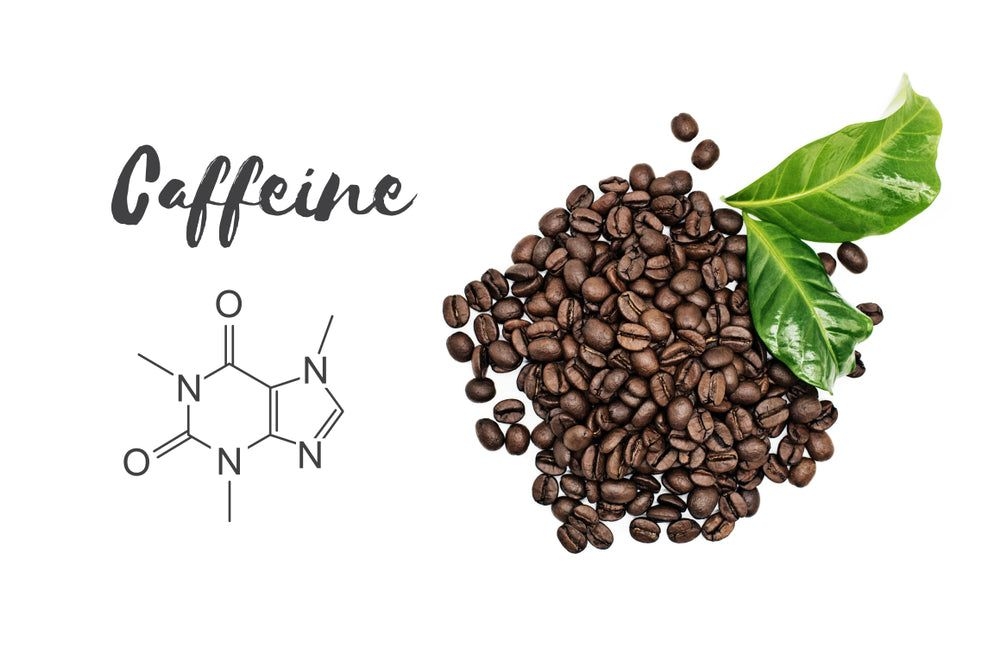
What is caffeine? Effect, dosage and what you should know.

Strong Coffee The Secret to Brewing the Perfect Bold Cup for Men
The difference between Arabica and Robusta coffee: the secret of choosing high-quality coffee

GOCE SALTED INSTANT COFFEE 4 IN 1 THE SECRET TO STAYING ALERT ON EVERY TRIP

The difference between popular coffee beans at present: Arabica,Robusta,Culi,Moka Culi and moka.
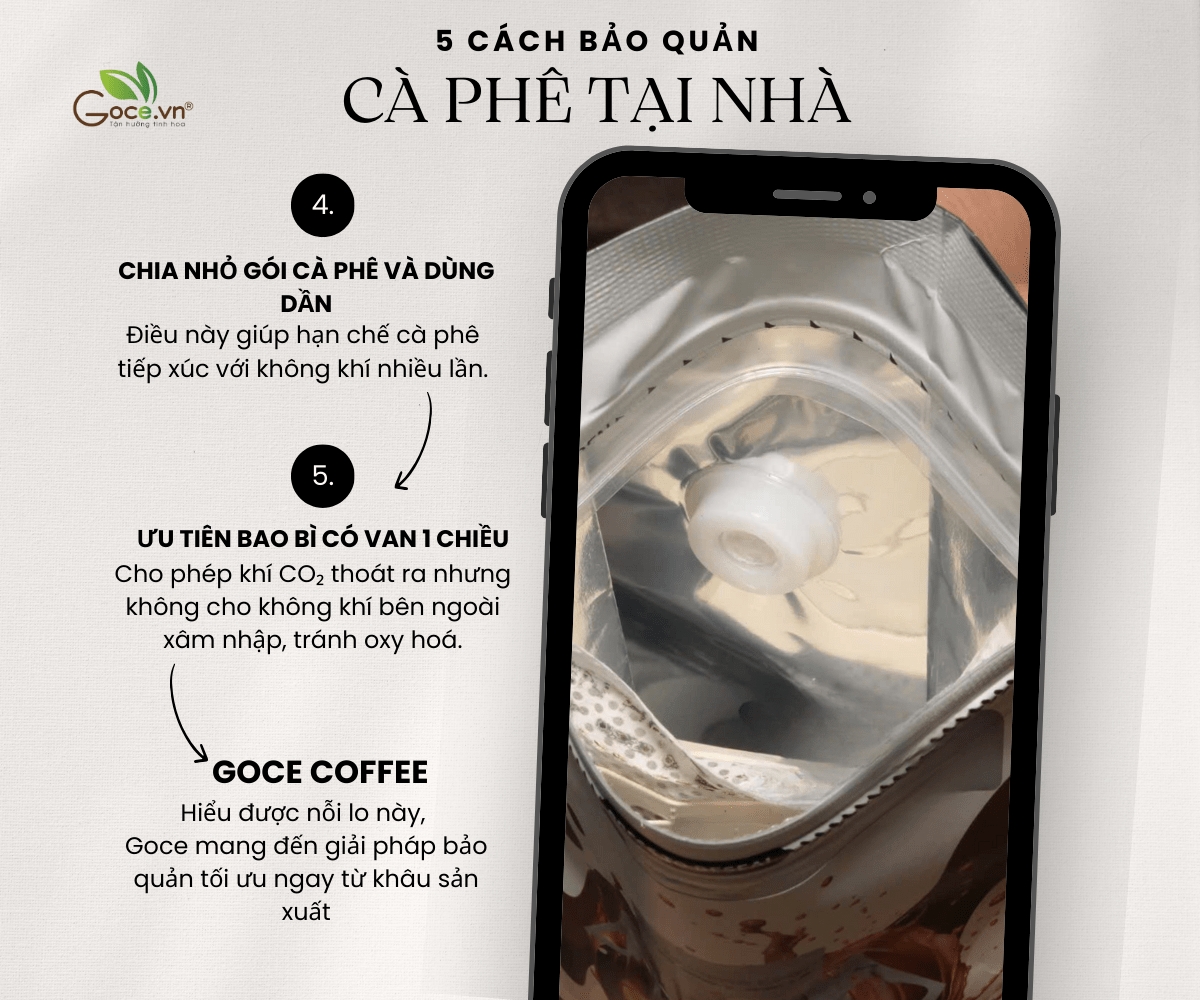
How to Preserve Ground Coffee to Keep Its Original Flavor
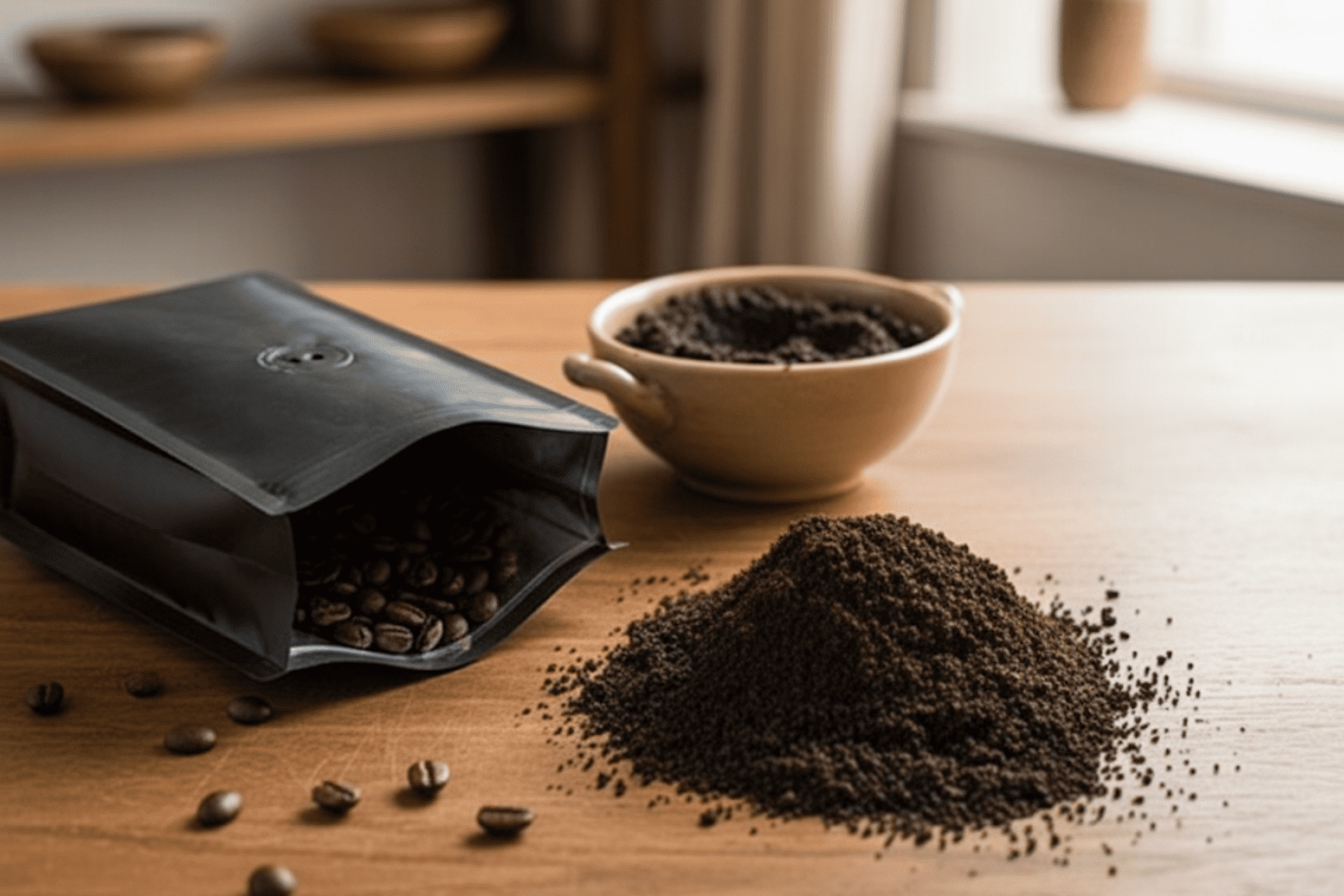
WHAT ARE COFFEE GROUNDS? 5 SIMPLE TIPS TO USE COFFEE GROUNDS AT HOME

Pure Roasted Coffee – 5 Secrets to Identify Real Coffee vs. Adulterated Coffee

The Benefits of Black Coffee – A Healthy Beverage
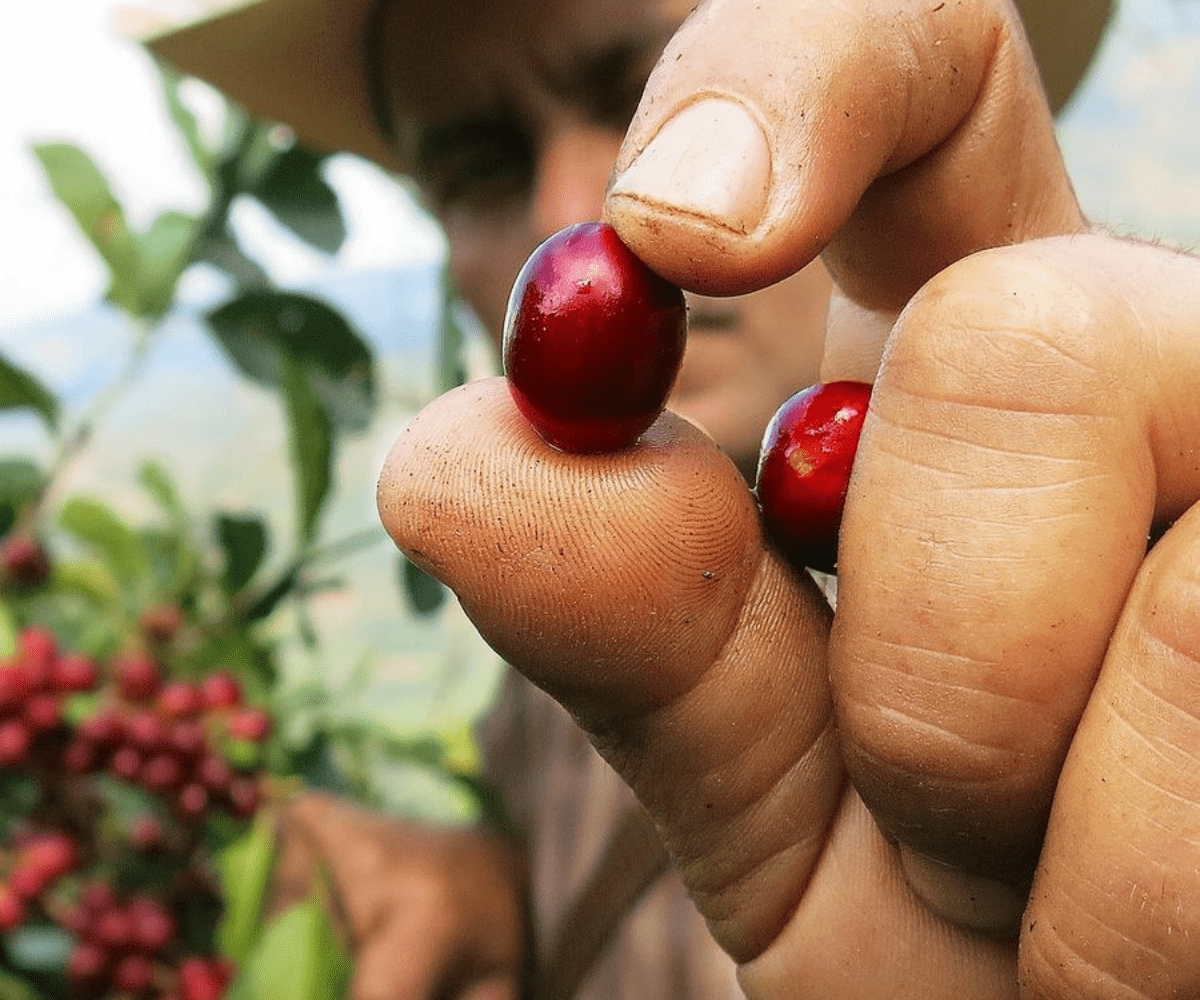
Coffee Prices Today, September 23: Robusta Surpasses 4,280 USD/Ton, Market Heats Up
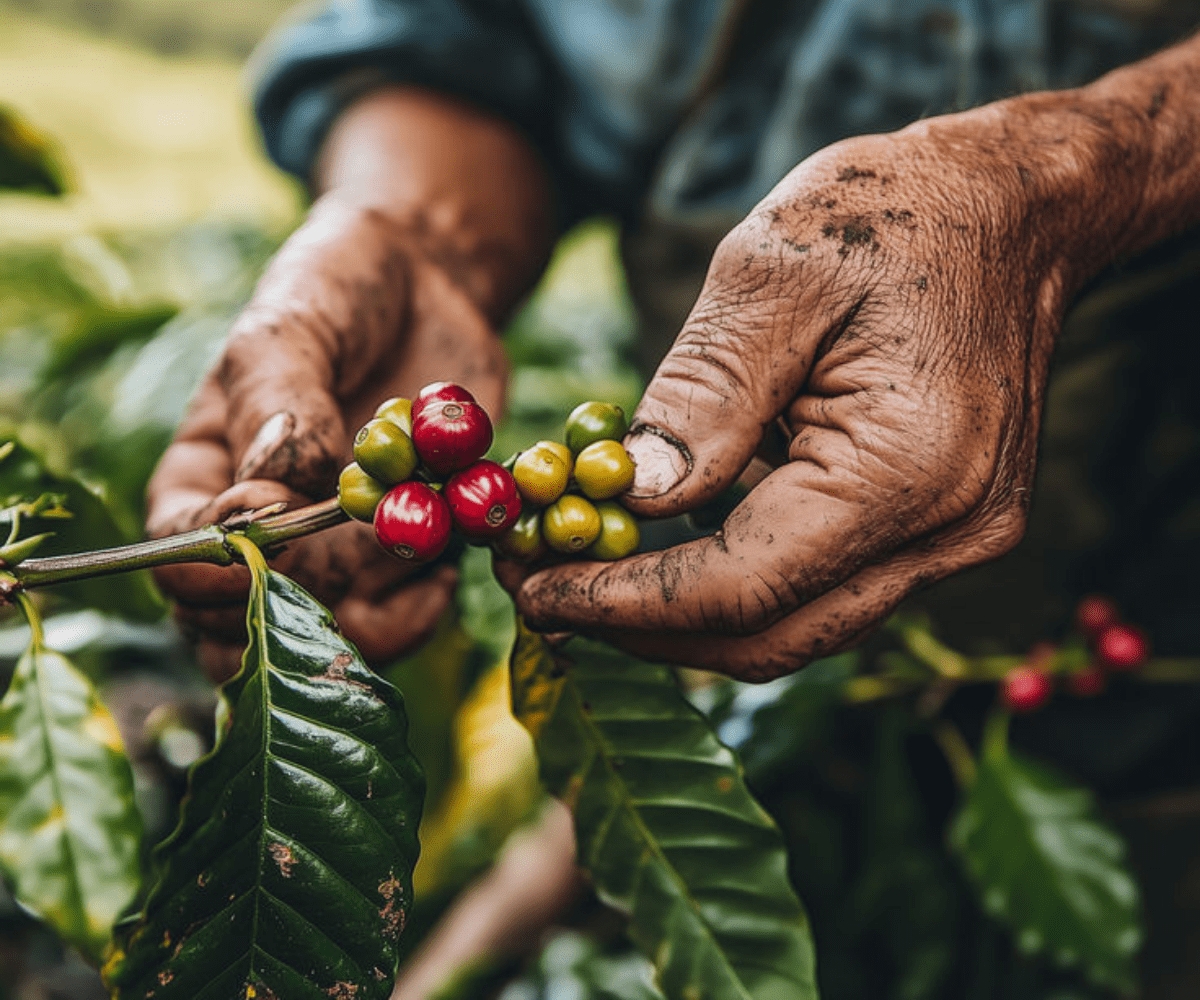
Rising Coffee Prices How Does It Affect the Morning Cup of Coffee for Vietnamese People?

Drip Bag Coffee: The Future of Personalization in Every Small Pack

Goce Drip Bag Coffee – When Every Little Pouch Wraps Your Lifestyle

4 Key Factors Influencing Coffee Production Costs

WHY ARE YOUNG PEOPLE RETURNING TO TRADITIONAL VIETNAMESE PHIN COFFEE?

Discover Vietnam’s Coffee Harvest Season: The Golden Time for Bean Quality

How Many Types of Coffee Are There in Vietnam? Where Are They Grown Mostly?

What Benefits Does Drinking Pure Coffee Provide To The Body?

Drip Bag Coffee – The Perfect Choice for Busy People with Refined Taste

From Seed to Cup The Journey of a Delicious Coffee

The 5 countries that produce the most coffee in 2023-2024 season

How To Roast Your Own Coffee

Does Arabica or Robusta Coffee Have More Caffeine?

How many people know 9 unique benefits of coffee?

What is Latte? Learn About The Type Of Coffee That Is Loved Around The World

What is Latte? Learn About The Type Of Coffee That Is Loved Around The World

What is Latte? Learn About The Type Of Coffee That Is Loved Around The World

What is Latte? Learn About The Type Of Coffee That Is Loved Around The World
What is Latte? Learn About The Type Of Coffee That Is Loved Around The World


